Our Location
5th Floor, Huake Center, Lanshan District, Linyi City, Shandong Province, China

5th Floor, Huake Center, Lanshan District, Linyi City, Shandong Province, China
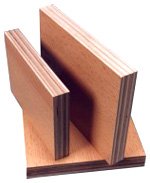
A window board mr mdf carries the wet work at a window, because the sill takes the condensation, the splash, and the drip that a dry-room board cannot. Moisture-resistant MDF keeps its flat face where a standard fiberboard swells and bows, and the smooth surface takes paint without a grain pattern to hide. This guide covers the board itself, the sizes and edges, the sealing that protects the cut, and the fitting details that keep a sill level for years.
The board is a fiber panel with a moisture-resistant recipe. A mill presses the fiber with a water-repellent resin, and that core holds its dimensions through the damp air a window keeps.
Definition: MR MDF is moisture-resistant medium-density fiberboard, and a window board cut from it serves as the horizontal sill that takes condensation, splash, and wipe-down water at a window.
The face finishes clean. The fine fiber surface takes primer and paint without a grain telegraphing through, so a painted sill reads flat and even along its length.
The window sets the duty. A single-glazed room drips more than a sealed unit, and a kitchen or bath window takes splash as well, so the moisture grade follows the exposure.
The board works beyond sills. Skirting in a damp room, shelf boards under a sink, and cabinet parts near water all take the same MR grade and the same clean paint line.
The board arrived cut to length. A sill that ships to the opening size saves a site trim, and the sealed factory ends hold the core where a fresh cut would open it.
Painted sills read best in a matched run. One order covering every window keeps the color batch the same, and a later single sill that takes a new tin never quite matches the wall.
The core color on a crosscut tells the grade at a glance, so the buyer checks one end before the whole stack reaches the fitting room.
Condensation runs down the glass and pools on the sill. A standard board drinks that water at the cut edge, swells, and lifts the paint within a season.
The edge takes the hit first. Water finds the raw end grain of a trimmed board, and a sealed edge slows the soak that warps a sill from the end inward.
| Window exposure | Board grade | Edge treatment |
|---|---|---|
| Dry, sealed room | Standard MDF | Primer seal |
| Ordinary window | MR MDF | Primer and paint |
| Bath or kitchen | MR MDF or waterproof | Sealed band |
| Dripping single glaze | Waterproof core | Full band both ends |
Swelling shows as a lifted paint line. A sill that cups at the edge pushes the coating off, and the repair means a strip, a fill, and a repaint that the MR grade avoids.
Definition: condensation load is the water a window sheds onto its sill each day, and that load sets the moisture grade and the edge seal the board needs to stay flat.
A painted face adds the second barrier. Primer and two coats lock the surface, and the paint slows the moisture that reaches the core through the face as well as the edge.
A drip edge adds protection. A small bead of sealant along the glass line stops the water that runs down the pane from reaching the board edge, and the joint wipes clean each season.
The wall behind the sill stays dry. A primer coat on the reveal before the board sits closes the plaster, so the moisture has nowhere to collect behind the fitted piece. Caulk under the front lip seals the join to the wall without a visible line.
Thickness carries the span. A sill over a wide opening wants a deeper board or a support beneath, and a short run takes a thinner panel without a sag.
Length follows the opening plus the reveal. The carpenter cuts the board to the frame width plus the overhang on each side, and the overhang gives the paint line a clean turn.
The front edge shows the profile. A bullnose, a chamfer, or a square arris each reads differently against the wall, and the profile follows the room style the builder set.
A pencil round takes paint well. A slightly eased edge holds the coating at the corner where a sharp arris chips, and the round hides a small cut mark.
Bands cover the cut ends. A melamine or veneer band on each end closes the core, and a painted sill takes a filled and sanded edge that seals as well as the face.
A sharp blade keeps the band line tight. A dull cutter tears the melamine band at the end, and the ragged line takes filler before the paint can hide it.
A story stick carries the measurements around the room. The stick marks each opening, and the carpenter transfers the lengths without a tape that reads differently on each run.
Trim on site and seal the same day. A cut end opens the core, and the primer coat that follows the saw keeps the moisture out before the sill meets the window.
Fit the board level with a slight fall. A hair of slope toward the room lets a wipe clear the water rather than pool at the glass line.
Seal the back and the underside too. The hidden faces take the damp that sits between the board and the reveal, and a coat on every face closes the core all around.
Adhesive holds the board without a visible fixing. A bead of grab adhesive on the reveal and a pair of discreet pins keep the sill flat while the glue grabs.
The paint schedule finishes the seal. Primer, a filled sand, and two top coats give the sill a closed surface, and the wet room takes a third coat at the edge line.
The delivery check protects the order. The buyer counts the boards, reads the grade stamp on the end, and signs off only when the moisture mark matches the spec.
Storage keeps the boards flat. A stack on bearers in a dry store holds the panels true, and a lean against a damp wall introduces the curve the MR grade exists to avoid.
The order should name the grade. A spec that says MDF leaves the moisture recipe open, and the buyer who writes MR or waterproof gets the board the window needs.
Face and size sit on the same line. The quote names the thickness, the sheet size, and the face, so the sill arrives cuttable and paint-ready without a second order.
Shops that also build the cabinet around the window weigh the coated panels beside the sill, and many order MDF Board in the MR grade together with Melamine Plywood for the carcass.
The technical desk at HYY confirms the moisture grade and the face on the window board, so the sill that reaches the site matches the exposure it will serve.
A sample cut settles the choice. A crosscut shows the core color and the density, and the buyer who checks the edge before the order keeps the wet-window problem off the punch list.
The warranty follows the grade. A mill that stamps MR or waterproof on the sheet backs the claim, and the buyer keeps the offcut as evidence for the record.
A maintenance wipe finishes the line. A soft cloth clears the condensation each morning in a heavy season, and the sealed board under that habit keeps its flat face for years. The sill line then finishes the window: a level board with an even reveal reads as careful work.
These answers cover the sill questions that come up before the board is cut.
No. MR MDF resists moisture and holds a damp room, while a waterproof grade carries a stronger recipe for a wet area, so the exposure picks the board.
Yes, and the paint adds the seal. Primer and two coats take the fine face well, and the edge that receives the same coats stays flat through the season.
Water found an unsealed edge or a bare core. Trim, prime, and band the ends the same day, and the sill keeps its flat line where a standard board bows.
Match the span and the reveal. A short sill takes a thinner board, and a wide opening wants a deeper section or a support so the middle never sags.