Our Location
5th Floor, Huake Center, Lanshan District, Linyi City, Shandong Province, China

5th Floor, Huake Center, Lanshan District, Linyi City, Shandong Province, China
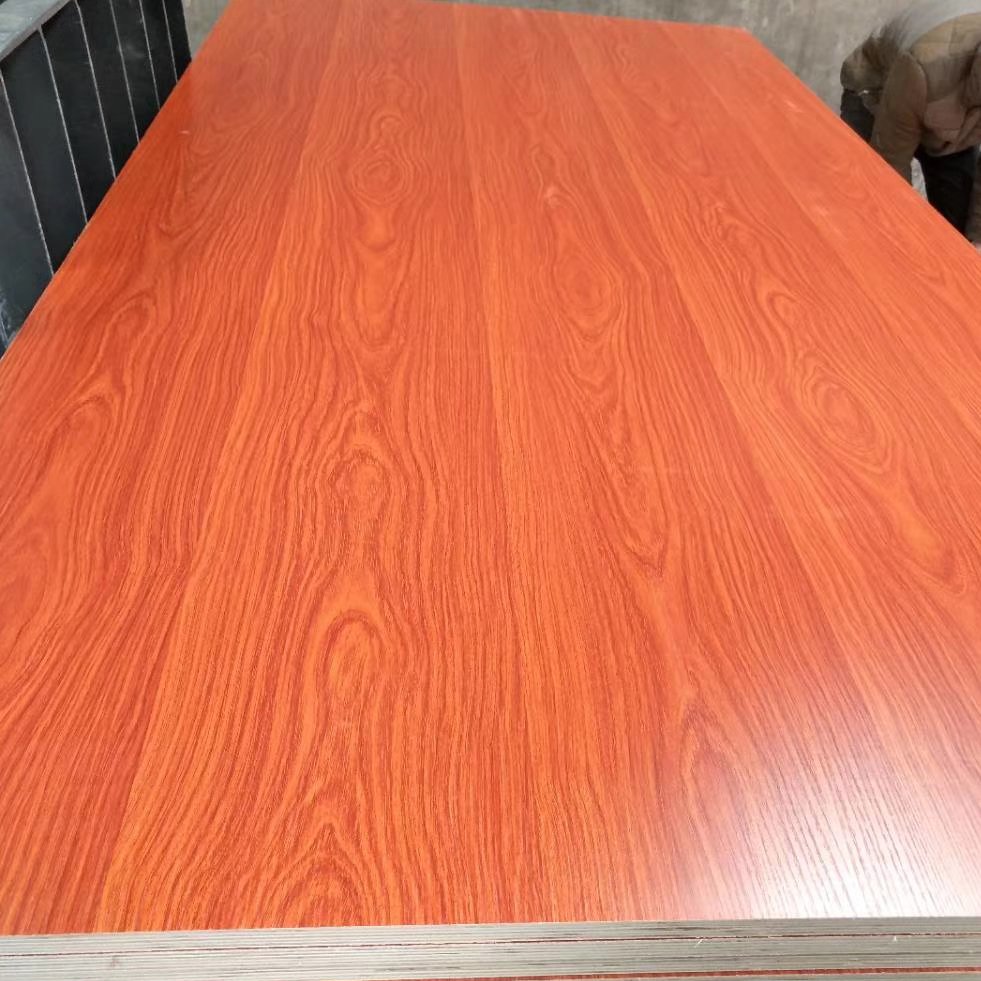
Plywood building ideas begin with the sheet itself, because a panel that is flat, strong, and easy to cut suggests a project before any plan is drawn. The same material becomes a workbench, a storage wall, a piece of furniture, or an outdoor box, and the difference sits in the frame and the finish. This guide gathers plywood building ideas by the space they serve, from the workshop to the interior and the garden, so the next build starts from a sheet rather than a blank page.
Sketch the piece before the cut. A simple drawing sets the parts, and a cut list that nests them on the sheet keeps the waste and the cost down.
The frame decides how stiff the build feels. A shelf or a box that carries a load wants a rail or a batten, even when the panel alone looks strong.
Edge treatment changes the look. A sanded edge, a banded strip, and a corner batten each finish a build, and the choice is as much style as strength.
Keep the offcuts labelled. A shelf project leaves pieces that suit a jig or a cleat, and a stack of named parts feeds the next idea.
The offcut is the brief. A leftover panel already sets the width of the project, and a shelf, a box, or a jig that fits the piece wastes nothing.
Match the thickness to the task. A thin sheet suits a lining or a back panel, and a heavy gauge carries a bench or a floor without a frame beneath it.
Definition: a cut list is the plan that lays each part on the sheet, and a good one nests the pieces so the joints fall on the frame and the waste stays low.
Let the grain run the long way. A face that follows the length of a shelf or a door reads evenly, and a piece cut across the figure shows a heavier stripe.
Finish to the room. A clear oil suits an interior piece, and a painted or clad face suits a utility build where the surface takes hard use.
A standard cabinet suits a shop. Sides, a top, and a base make the carcass, and a door on a simple hinge finishes a tool store that holds its own.
A drawer bank tidies a bench. A set of shallow boxes under the work surface keeps the hand tools close, and the runner choice sets the cost.
A bin store hides the mess. A slatted panel box with a lid keeps the bags out of sight, and the exterior grade takes the weather at the door.
A clamp rack is a first build. Two cleats and a back panel hold a row of clamps, and the project uses the offcuts a larger job leaves.
A sheet becomes a bench in an afternoon. A top on a simple frame takes a vice and a clamp, and the offcut frames the legs and the shelf below.
A wall of storage hides in a bay. A carcass fitted between studs takes doors, drawers, and open boxes, and the panel face finishes the room as it goes.
Cabinets work from the board up. A shop cabinet, a tool chest, and a drawer bank each run from a cut list, and the carcass joint and the door decide the cost.
The workshop wants a jig shelf. Sleds, guides, and push sticks all stack on a panel shelf, and the surface that holds them keeps the bench clear.
Small builds teach the method. A clamp rack or a blade case uses a few offcuts, and the joints practised there feed the larger projects later.
A workbench top is the classic first build. A heavy sheet on a simple frame takes a vice and a clamp, and the surface that takes the work is the one worth making.
| Project | Panel note | Skill it teaches |
|---|---|---|
| Shelf | One sheet | Joint and fixing |
| Cabinet | Carcass sheet | Case and door |
| Desk | Top grade | Frame and finish |
| Box | Offcut | Corners and lid |
A dining or a coffee table follows a bench. The top takes the finish, and the legs and the apron come from the same sheet as the top.
A desk under a stair fits a slope. A panel cut to the underside of the stair makes a study nook, and the offcut becomes the shelf above.
A window seat adds storage. A box under the cushion takes bedding, and the panel face finishes the alcove in one build.
A desk starts with the top. A flat panel on two frames gives a work surface, and the plied edge becomes the detail the piece is built around.
A bookcase is a carcass and a back. Sides, shelves, and a thin back make the unit, and the face takes paint, paper, or a clear finish.
A bed frame hides its strength. The rail and the head run from the panel, and the slats and the base sit on a frame the sheet stiffens.
A storage bench suits a hall. The box takes shoes and coats, and the seat lid brings a hinge and a gas stay into a simple build.
A media wall ties a room. The panel closes a corner, hides the cables, and carries the shelf line, and a visible face against everyday wear works well in Melamine Plywood or a paint-grade surface in Chip Board behind a covering.
A raised planter lines the sides. A box with a liner holds the soil, and the sealed edge keeps the wet compost out of the core.
A log or a bin store suits a wall. A slatted box with a sloping lid keeps the fuel dry, and the frame lifts the base off the wet ground.
A garden seat is a box with a back. The panel forms the seat and the back, and the same build hides a storage space underneath.
A trailer or a van fit uses the offcuts. A set of drawers, a bench, and a bulkhead each start from a sheet, and the build travels light.
A garden box takes the weather. A lined planter or a bin store runs from an exterior panel, and the sealed edge keeps water out of the core.
A potting bench works outdoors. The top takes the soil and the tools, and a shelf below holds the pots, with the frame raised off the wet ground.
A bird table is a first build. A panel roof and a post make the piece, and the small project teaches a weather grade and a seal in one job.
A trailer or van fit-out uses the panel. A floor, a bulkhead, and a set of drawers each start from a sheet, and the build travels light because the panel does.
The technical desk at HYY matches each idea to a grade and a thickness, so a workshop, a room, or a garden project starts with the right sheet in hand.
A boot bench suits a hall. A box with a seat and a shelf takes the coats and the shoes, and the panel face wipes clean at the door.
A headboard hides the pipes. A panel across the wall covers the services, and the shelf along the top takes a lamp and a book.
A pet crate is a furniture box. A slatted panel box with a door makes a home for the dog, and the build lives indoors as furniture.
Cutting without a list. A part cut from the middle of the sheet strands the pieces that needed the full width, and the panel runs short.
Sizing the frame too light. A shelf or a box that carries a load sags on a frame that looked strong enough, and a rail would have saved it.
Leaving the edges raw. An unsanded or unbanded edge catches a hand and shows the plies, and a few minutes at the edge lift the whole build.
Finishing before the assembly. A coat applied to the parts that then need a fix traps the marks, and the finish should follow a dry fit.
These answers cover the project questions that come up before the first cut.
Almost any flat or boxed project. Benches, cabinets, desks, shelves, garden boxes, and van fits all use the sheet, and the frame and the finish vary with the job.
A shelf or a simple box. Both need one sheet and a few joints, and the skills they teach carry into the cabinet and the workbench.
A cabinet grade with a good face. The smooth surface takes a finish, and a void-free core holds a screw where a cheap panel would crumble.
Draw the cut list first. Nesting the parts on a scaled sheet shows the count, and a layout that shares the offcuts usually saves a whole panel.