Our Location
5th Floor, Huake Center, Lanshan District, Linyi City, Shandong Province, China

5th Floor, Huake Center, Lanshan District, Linyi City, Shandong Province, China
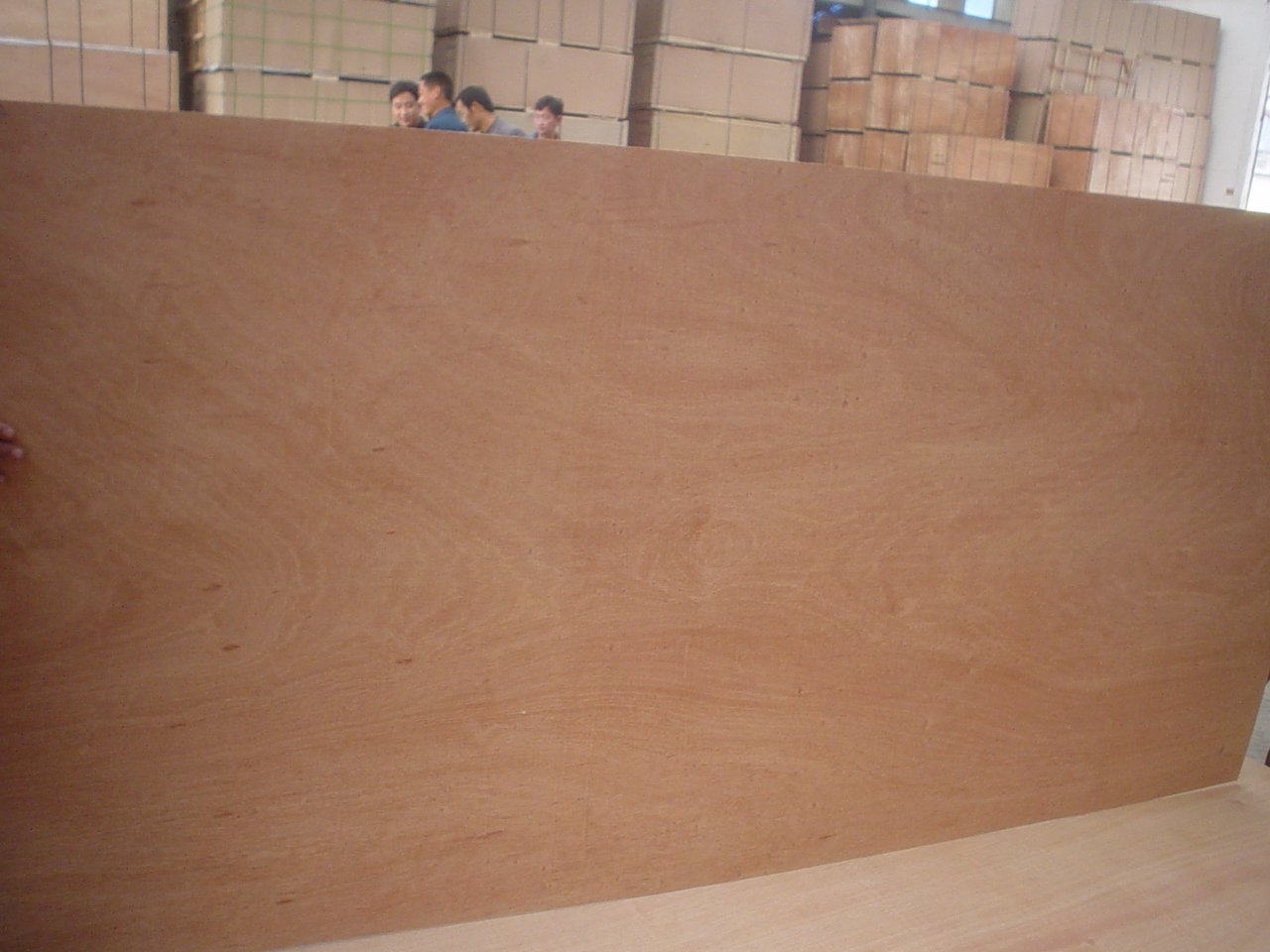
The question of which brand of plywood is best has less to do with the label than with the core, the glue line, and the face the brand controls, because two panels under different names can leave the same mill. A buyer who reads the marks and asks the right questions picks a sheet that behaves, whatever the name. This guide explains what a brand controls, which brand of plywood is best judged on, the questions to ask, and how to compare panels on value.
The grade runs above the name. A well-made panel with a void-free core beats a poor one under a famous label.
The batch matters as much as the brand. A single production run strips and matches, and a mixed delivery can vary.
The service decides the repeat. A brand that answers a question and holds the size keeps the buyer.
The price is not the proof. A cheap sheet can carry a good core, and an expensive one can hide a filler.
A tested brand earns trust. A panel that proves itself on the first job wins the next order.
A specifier names the grade. A drawing that calls a void-free core and a weather bond lets the buyer check each panel against the note.
A batch number tracks a fault. A panel that fails points to a run, and the maker can trace the rest of the sheet.
A buyer reads the note before the price. A grade that matches the drawing guides the choice, and the brand follows.
The mill sets the core. A maker who grades its own veneers ships a panel that holds a screw and stays flat.
Definition: a plywood brand is the mill and the grade behind a panel, and its value sits in the core, the bond, and the face.
The glue line is the brand’s choice. A weather bond costs more to run, and it marks a sheet built for the wet cycle.
The face grade records the brand. A sanded or a clear face shows a controlled process, and a rough face shows a cheap run.
The stamp and the certificate back the brand. A mark that names the span and the exposure answers a claim with evidence.
The mill buys the veneers. A maker that sorts and grades its plies controls the core it presses.
The press sets the bond. Heat, pressure, and time cure the glue, and a rushed press shows in a weak joint.
The face follows the core. A sound core takes a smooth face, and a gappy one shows at the edge.
The mark names the grade. A stamp with the span and the exposure proves the panel.
The paperwork travels with the sheet. A certificate and a batch number back the brand.
A void-free core. The panel strips and holds a screw, and a gappy core lets the face fail.
A rated and stated grade. A brand that names the glue line and the span lets the buyer compare on value.
A consistent thickness. A sheet that meets its gauge stacks and fixes true, and a slack run bows.
A stable bond. A face that holds through heat and water shows a controlled press.
A clear paper trail. A certificate and a batch number back the panel, and a brand that supplies them stands behind the sheet.
Check the edge first. A tight stack reads as a sound core, and a gappy one warns of voids.
Check the face. A patch and a plug show the grade, and a busy face suits paint.
Check the thickness. A true gauge fixes flat, and a slack sheet bows.
Check the bond. A face that holds through damp shows a controlled press.
Check the paper. A certificate and a batch number answer a doubt.
A cut edge shows the core. A clean slice reveals the plies, and a gap or a lap warns of a poor sheet.
A weight check confirms the density. A panel far lighter than its grade hints at a loose core, and the buyer should pause.
A panel warps when the core is loose. A flat, even sheet points to a sound core, and the buyer can trust it.
A heavy sheet for its size hints at a dense core. The weight and the grade should agree.
Ask for the grade. A brand should name the glue line, the face, and the span, and a vague answer warns of a weak panel.
Ask about the core. A void-free promise in writing guards against a filler sheet.
Ask where it is made. The mill and the species tell more than the label, and the source guides the grade.
Ask for a sample. A sight of the edge and the face tells more than a photo or a logo.
Ask how a claim is handled. A brand with a clear process backs the panel after the sale.
Ask which grade. A brand should name the glue line, the face, and the span.
Ask where it is made. The mill and the species guide the grade.
Ask for a sample. A sight of the edge tells more than a logo.
Ask for the certificate. A document backs the panel if a claim comes.
Ask about the lead time. A brand that holds the size keeps a job moving.
A certificate names the standard. A sheet made to a known grade answers a specification, and the buyer can match it.
A price list is not a grade. A cheap panel and a dear one can carry the same mark, so the buyer reads the stamp.
Compare on the same grade. Two sheets of different classes are not a fair test, and the grade comes first.
Compare on the cost per use. A cheap sheet that fails early costs more than a rated panel that lasts.
Compare the availability. A brand that holds the common sizes keeps a job moving.
Compare the service. A brand that answers a question fast saves a delay on site.
The panels order as Film Faced Plywood and Commercial Plywood in the grade the job names.
Compare on the same grade. Two classes are not a fair test, and the grade comes first.
Compare on the cost per use. A cheap sheet that fails early costs more than a rated panel that lasts.
A grade can be checked at the counter. A sample and a stamp let a buyer verify the sheet before the order.
The technical desk at HYY stands behind the panels it supplies, matching the grade to the job.
A trial job settles a brand. A small order on a real task shows the sheet, and the result earns the next call.
Start with the job. A floor, a formwork mould, and a fit-out each point to a grade, and the list follows.
Collect a few brands. A short list gives a buyer leverage on price and lead time.
Test a sample. A trial sheet shows the core and the face before a full order.
Track the results. A brand that proves itself earns a place on the next order.
Keep the paperwork. A certificate and an invoice back the grade and settle a claim.
A fit-out panel and a structural sheet sit on the same list. The job names the grade, and the brand fills the line.
A buyer keeps a record. A note on each brand’s grade and service guides the next order.
A small trial job tests a brand. A real cut and fix shows the core, and the result settles the choice.
A buyer shares the result. A note to the yard keeps the next order on the same grade.
These answers cover the brand questions that come up before the order.
The one with a void-free core, a rated glue line, and a clear certificate. The core and the bond matter more than the name.
Often, because it carries a better core and bond, and the price is not proof, so the marks decide.
A void-free panel with a good face grade, in a thickness that suits the part.
It points to a range and a standard. A well-made panel from any mill beats a poor one, so the marks decide.
A buyer who records the grade and the result builds a shortlist that holds for the next order.