Our Location
5th Floor, Huake Center, Lanshan District, Linyi City, Shandong Province, China

5th Floor, Huake Center, Lanshan District, Linyi City, Shandong Province, China
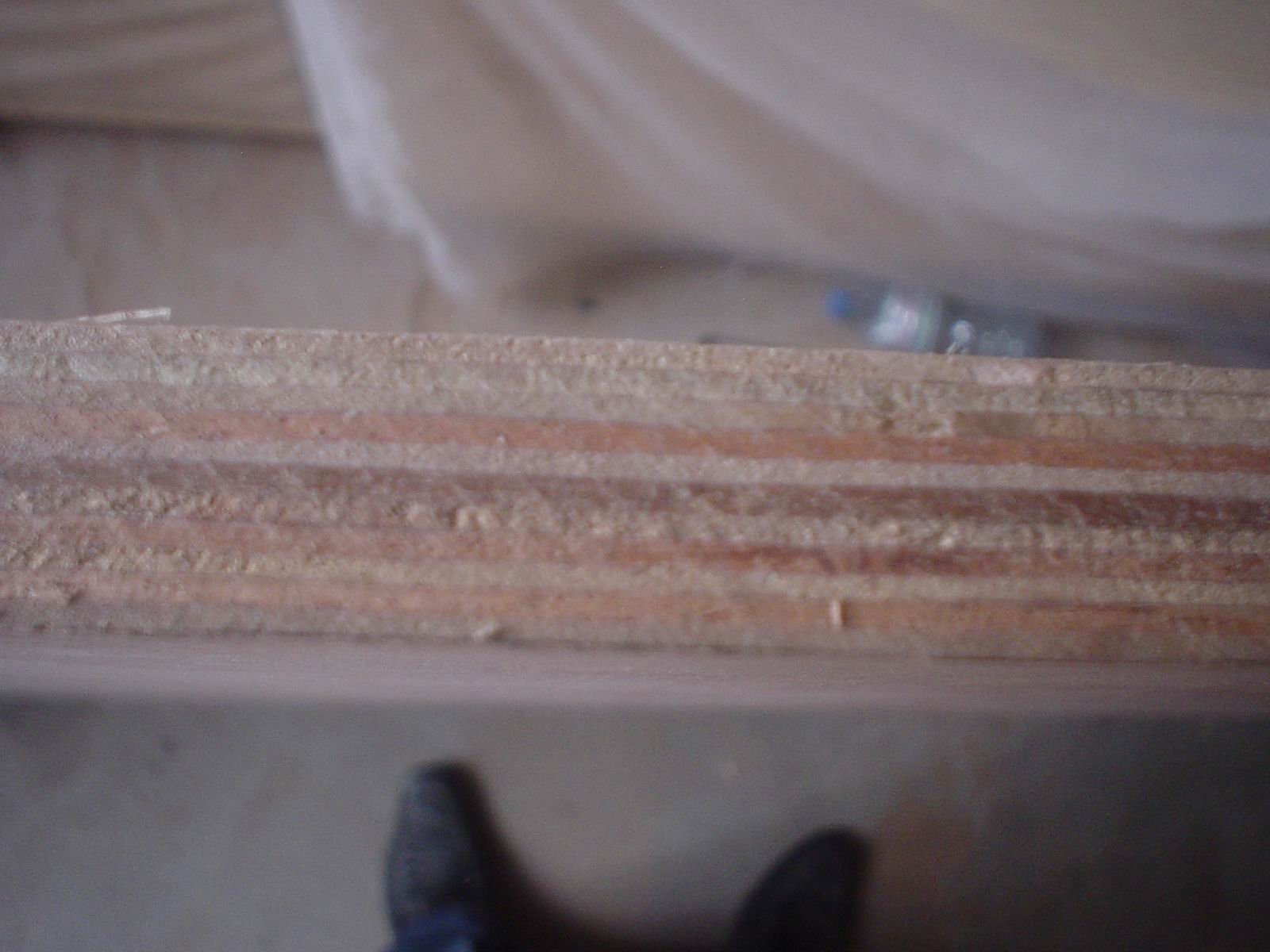
Baltic birch plywood earns its place in fine work because the whole sheet carries birch plies with few voids and an even edge that shows no gaps, which suits everything from a jig to a drawer. The panel cuts clean, holds a screw, and takes a finish without a patch in the face. This guide explains what baltic birch plywood is, why the core suits fine work, the grades and thicknesses, the uses, and how to pick and finish a sheet.
The density also adds weight. A birch panel lifts heavier than a softwood sheet, and the crew plans for the mass.
The cost runs above a standard sheet. The extra plies and the even core raise the price, and the fine work returns it.
The source matters. A panel from a known Baltic mill carries the even core that gives the sheet its name.
The panel takes a fastener well. A screw and a dowel hold in the layered edge, and the joint stays tight.
A finished face is common. A prefinished sheet saves a step, and the clear coat shows the even grain.
A maker grades the face. A patch on one side is common, and the good face takes the work.
A source names the region. A panel from a Baltic mill carries the even core the sheet is known for.
A birch panel suits a visible shelf. The even face takes a clear coat, and the edge reads as a pattern.
A maker names the plies. A sheet with a known count carries the strength the fine work trusts.
The plies are all birch. Thin veneers of birch glue in crossed layers, and the even veneer gives the panel a uniform core.
Definition: baltic birch plywood is a multi-ply panel of birch veneers from the Baltic region, valued for a void-free core and a clean edge.
The layer count runs high. A panel often carries more plies than a standard sheet, and the density gives it strength and screw hold.
The edge reads as a pattern. The exposed plies show an even, striped edge that suits a visible joint.
The face is usually sound. A panel often shows a small patch on one face, and the good face goes to the work.
The veneers are thin and even. The tight plies give the core its uniform look and its strength.
The glue is waterproof in many panels. A weather bond lets the sheet take some damp, and an open edge still wants a seal.
The core has few gaps. A patch-free sheet cuts clean, and the edge reads as a pattern.
The plies cross as a rule. The crossed grain gives the panel its stiffness and its screw hold.
The grade sets the face. A good face takes the work, and a patch lands on the hidden side.
The void-free core cuts clean. A saw and a router leave a true edge, and the joint fits without a filler.
The even plies hold a fastener. A screw grips the layered edge, and the panel takes a dowel or a biscuit.
The panel stays flat. A dense, even sheet holds its shape, and the work sits square on the bench.
The strength suits a thin part. A drawer bottom and a jig run thin, and the panel carries the load.
The finish takes well. A filled and sanded face takes a paint or a clear coat, and the grain reads even.
A router follows the core. The even plies take a shape, and the edge stays true.
A saw cuts a clean line. The layers machine with little tear-out, and the joint fits.
A drill and a screw hold. The dense edge grips, and the fixing stays put.
A flat sheet builds square. The even panel sits true, and the work follows.
A thin sheet stays strong. The high ply count carries a load in a thin part.
A birch panel takes a screw near the edge. The tight plies hold the fixing, and the joint stays sound.
A router leaves a clean line. The even layers cut without a tear, and the edge reads true.
A birch face takes a stain. A light coat shows the grain, and the panel matches a hardwood.
A cut sheet keeps its edge. The tight plies hold a shore, and the joint closes.
The grade sets the face. A panel with one good face suits a hidden side, and a two-good-face sheet suits a visible part.
The thickness sets the use. A thin panel suits a drawer bottom, and a deep one carries a shelf or a job jig.
The size varies. A sheet often comes as a square for a pattern, and a full sheet suits a large cut.
The patch count shows the grade. A panel with few patches reads as a high grade, and a busy face suits a painted job.
A void-free promise backs the panel. A maker who grades the core gives the fine work the sheet it needs.
Pick the thickness for the part. A drawer bottom runs thin, and a shelf runs deep.
Pick the grade for the face. A two-good-face sheet suits a visible part.
Pick the size for the cut. A square suits a pattern, and a full sheet suits a large job.
Count the patches. A clean face suits a clear finish, and a busy one suits paint.
Ask for the core standard. A void-free promise backs the fine work.
A drawer bottom wants a thin sheet. The high ply count keeps it stiff, and the bottom carries the load.
A jig wants a flat panel. The even core holds its shape, and the guide runs true.
Jigs and templates want it. The even core holds a screw and a guide, and the panel lasts through many runs.
Drawers and cabinets suit it. A thin bottom and a sound side hold a load, and the edge reads clean.
Model making and laser work take it. The even plies cut clean, and the edge shows an even line.
Finish with care. A sealer stops the grain drinking the coat, and a light sand between coats gives a smooth face.
The sheets order as Commercial Plywood and Melamine Plywood where a faced panel is wanted.
Seal the edge before the finish. A sealer stops the coat drinking, and the grain stays even.
Sand between the coats. A light rub gives a smooth face, and the finish reads level.
A grade sheet earns a repeat. A panel that proves itself on the first job wins the next order.
The technical desk at HYY matches the ply count and the thickness to the fine work.
Buy from a named mill. A known source carries the even core the sheet is valued for.
Check the layer count. A high count gives the strength and the screw hold.
Keep the sheet flat. A birch panel stored on a base stays true for the fine work.
Seal every edge. A cut rim takes moisture, and a seal keeps the core sound.
Finish with care. A sealer and a light sand give the even grain a smooth coat.
A birch sheet stores flat. A panel on a base keeps its shape, and the fine work starts square.
A cut edge wants a seal. A birch core takes moisture, and a band or a paint keeps it sound.
A birch sheet ships flat. A crate keeps the panel true, and the edge stays sound.
A maker sells by the count. A high-ply sheet carries the fine work, and the price follows.
These answers cover the birch questions that come up before the order.
Fine work that wants an even core and a clean edge, from jigs and drawers to cabinets and laser-cut parts.
A standard panel takes some moisture, and a wet job wants an exterior-bonded sheet, since the birch core still swells at an open edge.
More than a standard sheet of the same thickness, and the high layer count gives the even core and the strength.
Yes. Seal the face and the edge, then paint or clear-coat, and the even grain takes a smooth finish.
A birch sheet kept flat and dry holds its even core until the last cut of the fine job.
A tested shortlist saves time on the next fine job.