Our Location
5th Floor, Huake Center, Lanshan District, Linyi City, Shandong Province, China

5th Floor, Huake Center, Lanshan District, Linyi City, Shandong Province, China
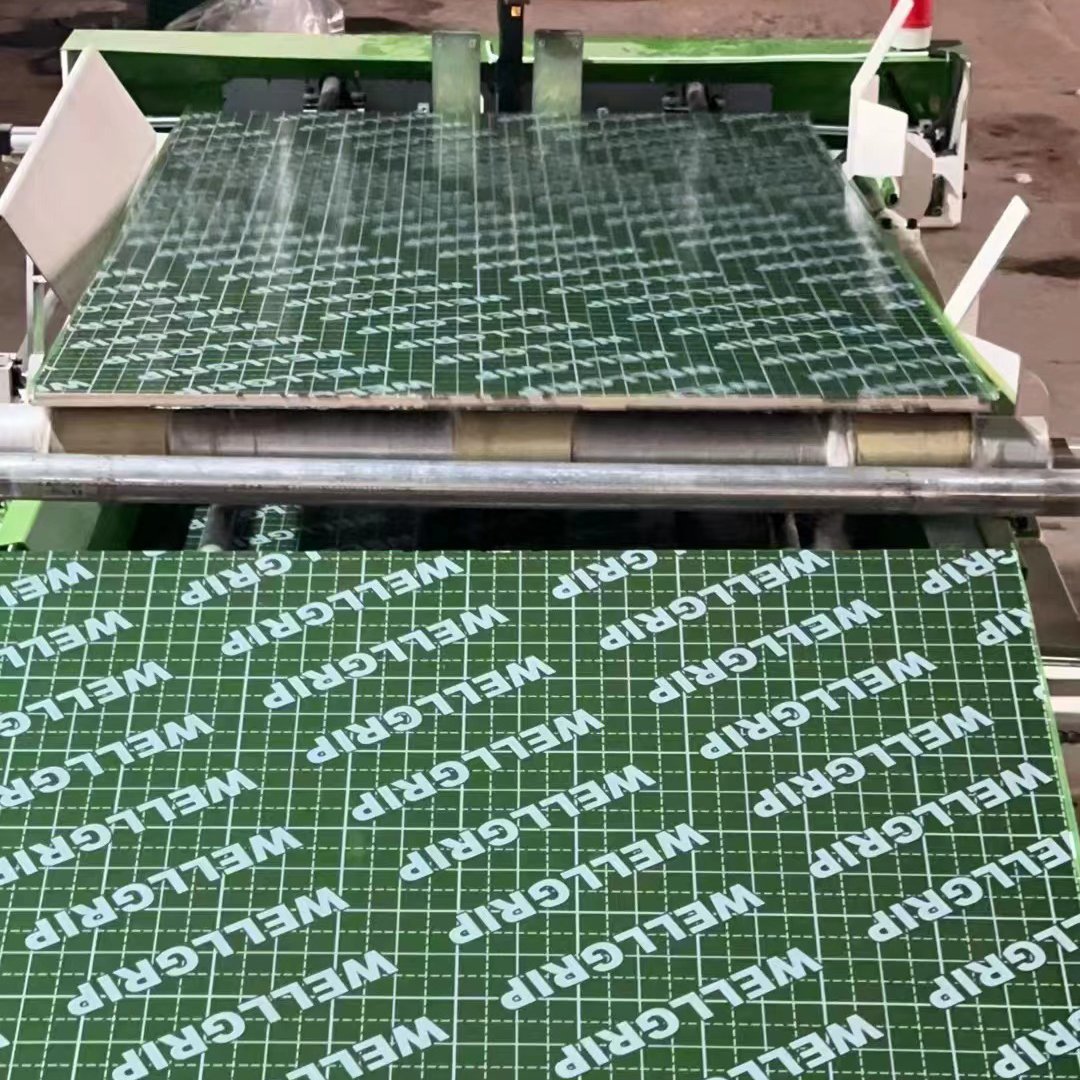
Is film faced plywood waterproof is a fair question from any site team that forms concrete or sheathes a wall in the open. The honest answer is that the film and the exterior glue resist water strongly, and the panel still needs sealed edges and sensible storage to keep its bond intact. This guide separates waterproof from water-resistant, explains what the film and the glue each do, and shows how to specify, store, and reuse the panel so the answer holds up on your project.
The film is a thin phenolic or resin-soaked paper bonded to both faces under heat and pressure. It seals the surface, sheds water, and gives the panel a smooth release face for concrete.
The film turns water away at the face, so rain beads and runs off instead of soaking into the veneer. The smooth surface also lets the form strip cleanly, and that release keeps the concrete finish even pour after pour.
The glue line behind the film carries the same job. Exterior phenolic glue bonds the plies so the whole sandwich holds together when water reaches an edge or a fixing hole.
Film thickness and quality vary by grade. A heavy film resists abrasion and repeated pours, while a light film serves a shorter forming cycle, so the grade should match the forming plan.
The film has limits. A cut edge or a drilled hole exposes bare wood, and water that enters there reaches the core, so edge sealing belongs in the spec from the first cut.
The film also shields the face from the abuse that shortens a bare panel life. Scaffold planks, rebar, and rolled tools drag across the face, and the film absorbs that wear while the veneer beneath stays intact.
Curing concrete puts a second demand on the surface. The film keeps the panel from borrowing moisture from the mix near the face, and that barrier protects the finish layer the concrete wants to keep.
The two words carry different promises, and the panel trade uses them loosely, so a buyer should pin down the meaning before paying for a claim.
| Exposure | Plain exterior plywood | Film faced plywood |
|---|---|---|
| Rain during the build | Handles the season | Handles the season |
| Standing water on the face | Swelling at edges | Sheds water, edges sealed |
| Repeated wet pours | Short forming life | Long forming life |
| Permanent submersion | Not rated | Not rated |
| Ground contact | Treat the stock | Treat the stock |
No wood panel is truly waterproof. Water eventually enters wood fiber, so the practical goal is resistance: the panel sheds water, keeps its bond, and dries back without permanent damage.
The film and the glue together reach that goal. The film slows the entry at the face, and the glue protects the plies at the edge, so the pair decides how the panel survives a wet season.
A buyer should treat the film as a strong shield, not a seal. A shielded panel that sits in a puddle eventually loses the edge, while a sealed, drained panel dries and returns to service.
The practical test on site is simple. Rain beads on the film and sheds, while a cut edge darkens after a wet day, and that contrast tells a crew exactly where the panel needs its protection renewed.
The cement slurry on the face adds its own abuse, and the film survives that treatment while a bare veneer face pits and tears, so the surface that faces the pour should always carry the film.
Water finds the weakest point, and on a sheet of plywood that point is the edge. Cut the panel to size and the exposed end grain pulls water straight into the core.
Sealing the edge closes that door. A brush coat of edge sealer, a strip of waterproof tape, or a factory edge treatment slows water entry and protects the bond at the cut.
Fixing holes need the same care. Drill the hole, set the screw or bolt, and seal around the fixing so water cannot track along the hole into the core.
Repeated recycling wears the edges. Each cut exposes a fresh edge, so a form panel that returns to the saw loses protection and needs a fresh coat before the next pour.
Site habit decides much of the outcome. A crew that seals cuts and keeps the stack covered gets a longer forming life from the same panel than a crew that leaves cut edges open.
Fixing patterns concentrate the damage. Corners, cutouts, and tie rod holes sit where the water gathers, so the crew should seal those points first when the panel meets a rainy week.
Drainage beats storage in most cases. A panel that stands against airflow on a slight slope dries its edges overnight, while a panel lying flat on the ground traps water under the face and starts the rot the film cannot stop.
Forming work is where the panel earns its name. A filmed exterior panel takes repeated pours, strips cleanly, and returns to the stack for the next lift.
Reuse count depends on the pour pressure and the film grade. A good panel and careful handling reach many cycles, while a light film and rough stripping cut that count, so the spec should match the forming plan.
Cleaning matters between cycles. Crews scrape the concrete residue, rinse the face, and let the panel dry before stacking, because trapped grit and moisture shorten the next life.
Stripping technique protects the panel. A crew that levers at the right point and lifts evenly keeps the film intact, while a rough pull tears the edge and starts the rot that ends the panel’s forming career.
Stock rotation keeps the job honest. Use the oldest panels first, and retire the ones with lifted film or open edges before they spoil a concrete finish.
A forming log keeps the number honest. Each panel carries its pour count and its condition on the edge, and the crew retires a panel at the top of the list before lifted film ruins a concrete finish.
A forming plan that rotates the panels also spreads wear. A crew that moves a panel from the corner bay to the middle bay keeps the high-pressure spots from ruining one sheet, and the finished face stays even across the pour.
Specify Film Faced Plywood for forming and open-air sheathing, and name the film grade, the glue class, and the edge treatment on the order.
Store the stack flat, off the ground, and under cover. Timber bearers lift the bundle clear of water, and a tarp or a roof keeps the rain off the faces.
Use these habits to hold the bond through a wet build:
For a non-forming wet location, a general exterior board works, and buyers often pair the forming panel with Commercial Plywood for sheathing and joinery.
Indoor fitted work takes a different surface, and projects that swap the film for a decorative face order Melamine Plywood for cabinets and interiors.
The technical team at HYY matches the film grade and the edge treatment to the forming plan, so a wet site gets a panel that survives the schedule.
The order should also name the moisture plan for the site. A spec that pairs the panel with a seal schedule and a storage bay protects the film the whole way from the container to the last pour.
Inspection ties the delivery to the order. A check of the film, the edges, and the glue line before the bundle leaves the truck turns a future claim into a simple return, so the receiving check belongs in the site routine.
These answers cover the waterproof questions that site teams ask before they order a forming panel.
For a working season, yes, when the edges stay sealed. The film sheds rain at the face, while the exposed edges and fixings decide how long the bond lasts in the open.
No. Marine plywood uses a high-grade core and a strict glue standard for boat work, while a film faced panel targets concrete forming, so the two serve different jobs.
That depends on the film grade and the handling. A heavy film and gentle stripping reach many pours, and a light film with rough handling drops to a few cycles.
Yes, on every cut. Edge sealer or waterproof tape slows water at the exposed end grain, and that coat protects the bond that keeps the panel in service.