Our Location
5th Floor, Huake Center, Lanshan District, Linyi City, Shandong Province, China

5th Floor, Huake Center, Lanshan District, Linyi City, Shandong Province, China
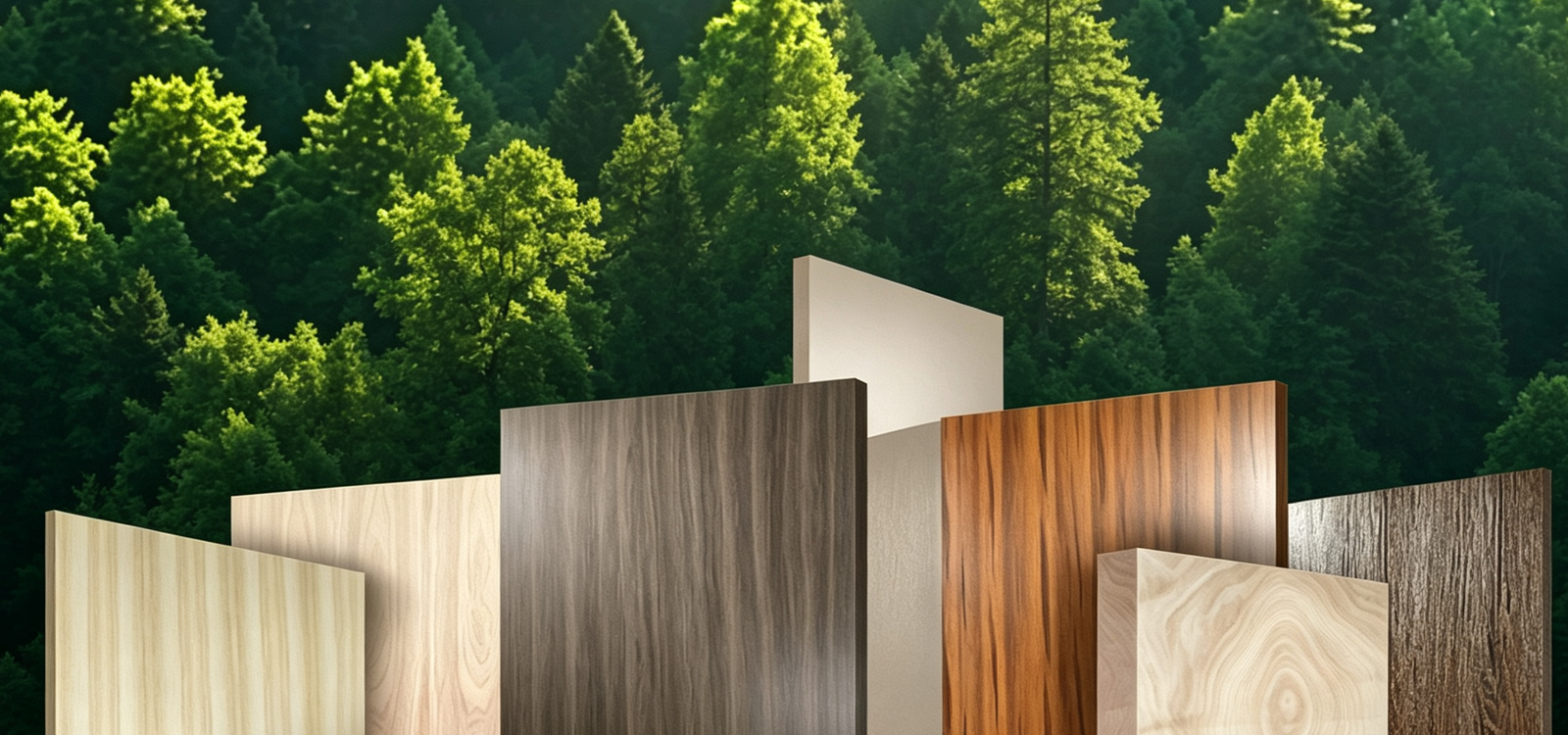
A modern door skin gives a tired door a new face without the cost of a replacement, and the thin panel presses or glues over the frame to hide the damage and change the look. The skin covers the old surface, takes the same paint or veneer as a new door, and suits a refresh, a repair, or a change of style. This guide explains what a modern door skin is, the materials and finishes on offer, how to fit the skin, and the door designs the panel makes possible.
The skin also suits a new frame. A hollow or a solid core takes a face panel, and the door arrives finished without a veneer press in the workshop.
The weight barely changes. A thin face adds little, so the hinges and the fit stay as they were.
The price stays low. A skin costs a fraction of a new door, and the refresh gives a room a fresh look for the cost of a panel.
The look can be modern or period. A flat veneer and a moulded panel each come from a skin, and the design sets the choice.
The skin is a thin face panel. It bonds over an existing slab or a new frame, and it leaves the door with a clean, flat surface in place of the old one.
Definition: a door skin is a thin sheet pressed over a door frame or glued to an existing slab to give it a new face, in wood veneer, hardboard, or a modern composite.
The thickness stays low. A veneer skin is paper-thin, and a hardboard or MDF skin runs a few millimetres, so the door does not change in size much.
The old door must be sound. A solid frame and a flat slab take a skin, and a door that has swollen or split wants repair before the panel goes on.
The skin changes the look cheaply. A refresh that would cost a new door costs a panel, an adhesive, and an afternoon at the bench.
The frame behind it carries the door. A skin glued to a sound frame or a solid slab takes the load, and the face only supplies the surface.
The size covers a standard door. A skin cut to the leaf leaves a small overhang, and the trim takes it flush after the bond.
The old surface comes off first. Loose paint, a warp, and a split want repair before the skin, and a flat base gives a flat face.
The bond matters more than the panel. A full spread holds the skin without a bubble, and a patch of glue alone lifts in a humid room.
| Skin | Finish | Look |
|---|---|---|
| Veneer | Oil or lacquer | Natural grain |
| Hardboard | Paint | Smooth and plain |
| MDF | Sprayed | Flat and modern |
| Moulded | Paint | Panel design |
Wood veneer gives the real grain. A sliced veneer of oak or walnut presses over the slab, and the finished door matches the joinery beside it.
Hardboard takes the paint. A smooth board covers the old face, and the skin then primes and paints to whatever colour the room wants.
MDF suits a modern look. A medium-density skin takes a routed groove and a sprayed finish, and it gives the door a flat, even face.
A moulded skin copies a panel door. A pressed skin with recessed panels turns a plain slab into a four-panel design, and the pattern follows the period.
The finish follows the room. A veneer wants an oil or a lacquer, a hardboard skin wants paint, and the choice sets the look and the upkeep.
A veneer skin shows a real grain. A sliced oak or walnut face matches the joinery, and the door takes the same oil as the furniture beside it.
A hardboard skin wants paint. The smooth board primes and coats, and the finish hides the repair beneath.
An MDF skin takes a groove. A routed line and a sprayed face give a modern door its flat look, and the edge wants sealing.
A moulded skin copies panels. The pressed pattern turns a plain slab into a six-panel design, and the style suits period joinery.
Prepare the old door first. A patched, sanded surface takes a skin flat, and a lump under the panel telegraphs through the new face.
Bond the whole face. A full spread of contact or wood adhesive holds the skin without voids, and an edge glued alone lifts in a humid room.
Work from the centre out. A roller or a block pushes the air to the edges, and a skin laid from one end traps a bubble under the middle.
Trim the edges after the bond. A flush-trim bit or a sharp plane takes the overhang to the door edge, and the panel then sits inside the frame.
Finish the edges and the lock. A lipping or a paint line closes the edge, and the lock and the hinges then re-seat on the finished door.
Sand and fill the base first. A flat, dust-free slab takes the bond, and a lump under the panel shows through the face.
Spread the adhesive evenly. A notched spread or a full contact coat holds the skin, and the bond reaches every part of the face.
Press from the middle out. A roller or a block pushes the air ahead of the bond, and an edge worked first traps a bubble at the centre.
Trim and finish the edge. A flush bit takes the overhang, and a lipping or a paint line closes the edge for good.
A flat slab becomes a feature. A veneer or a painted skin gives a clean, modern face, and the door suits a handle that runs the full height.
A plain door turns period. A moulded skin adds recessed panels, and the design brings a plain slab back to a Georgian or a cottage look.
A wardrobe front matches the room. The same skin covers cabinet doors, and the run then reads as one design rather than a mixed set.
A repair hides the damage. A skin over a scuffed or patched face saves the door, and the surface comes back as good as new for the price of a panel.
The face panel pairs with an interior board. A painted skin suits MDF Board beside it in a routed frame, and a wipeable door face comes from Melamine Plywood on the cabinet run.
The technical desk at HYY matches the skin material and the finish to the door and the room, so the refreshed face takes the paint or the veneer the design calls for.
A slab becomes a feature. A veneer face gives a clean panel, and a long handle finishes the modern look.
A plain door turns period. A moulded skin adds recessed panels, and the door matches a cottage or a Georgian room.
A room matches a set. A wardrobe front skinned in the same material ties the run, and the doors read as one design.
A repair hides a flaw. A skin over a damaged face saves the door, and the surface returns as good as new.
Seal the bottom edge. The foot of a door takes the mop and the splash, and a sealed edge there stops the core swelling.
Let the bond cure fully. A door hung the same day can shift before the glue sets, and a day in the dry lets it hold.
Avoid a wet base door. A skin over a swollen slab traps the problem, and a repair should dry before the face goes on.
Match the finish to the room. A veneer wants oil and a hardboard skin wants paint, and the upkeep then follows the surface.
These answers cover the door-skin questions that come up before the refresh.
Giving a door a new face. The panel covers an old or damaged slab, or it forms the face of a new frame, and it changes the look for the price of a sheet.
Yes, if the door is sound. A flat, solid slab takes a skin, and a swollen or split door wants repair first so the new face lies flat.
It follows the finish. Wood veneer suits a natural look, hardboard and MDF take paint, and a moulded skin copies a panel design.
Thin by design. A veneer runs less than a millimetre and a hardboard or MDF skin a few millimetres, so the door thickness barely changes.