Our Location
5th Floor, Huake Center, Lanshan District, Linyi City, Shandong Province, China

5th Floor, Huake Center, Lanshan District, Linyi City, Shandong Province, China
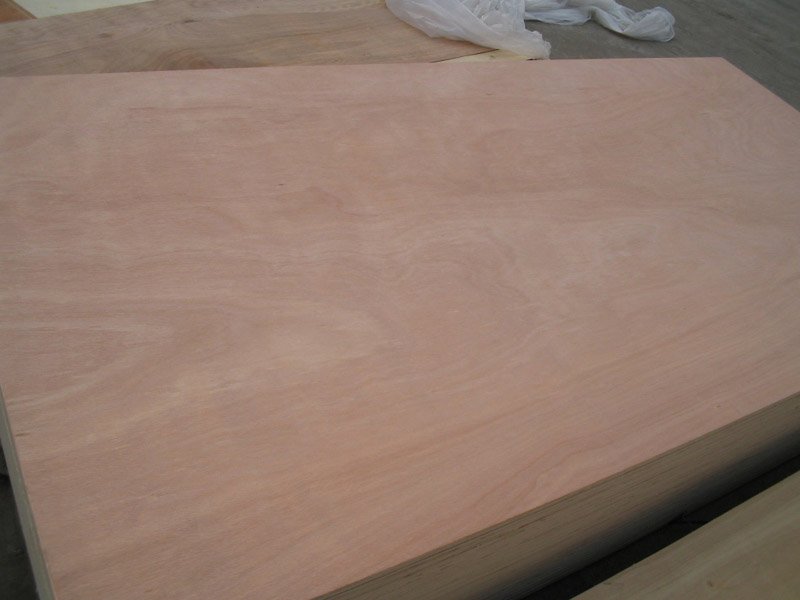
Plywood F rating names the formaldehyde emission class of an interior panel, and it decides whether a sheet suits a school, a home, or a sealed office. Formaldehyde escapes from the glue that bonds the plies, and the F rating tells the buyer how much escapes and which indoor standard the panel meets. This guide explains what the plywood F rating measures, how the classes line up, and how to read and specify low-emission panels on the order.
The F rating reports airborne formaldehyde from the panel. Resin in the glue line releases the gas slowly, and the rating measures that release under a standard test so different panels compare on the same basis.
The measurement happens in a chamber. A lab places a panel sample in a controlled chamber, measures the gas concentration over time, and prints the result as a class that matches an indoor air rule.
F-rating terminology follows regional standards. The label carries the class or the limit that the local authority enforces, and the buyer reads the stamp beside the spec the project already follows.
Definition: a plywood F rating is the formaldehyde emission class stamped on a panel, expressed as a numerical limit or a named class that tells the buyer how much the board releases into indoor air.
The rating matters most in sealed spaces. A school, a clinic, or a tight office recirculates the air, so the panel class inside those walls contributes to the indoor load the ventilation must clear.
The class label travels with the batch. A mill stamp on the sheet edge and a certificate in the delivery pack name the tested class, and the project file keeps both lines for the indoor air audit.
Moisture raises the release. A damp board or a humid job site lets the glue line give off more, so the storage and the fit-out season matter to the class a room actually holds.
The inspection habit protects the buyer. A quick crosscut and a sniff test on the first bundle flag the fresh stock, and the certificate confirms the class before the panels spread across the site.
Emission classes rank from unrestricted to very strict, and the class number follows the measured release. A lower limit means a cleaner panel and a pricier glue line.
| Class level | Emissions | Typical fit |
|---|---|---|
| Standard interior | Higher release | Utility and packing |
| Regulated class | Mid release | General furniture |
| Low-emission class | Low release | Homes, offices |
| Ultra-low class | Near-zero | Schools, clinics |
The grade and the glue move the number. A urea glue releases more than a melamine line, and a low-emission resin trades a little cost for a cleaner class, so the bond choice and the rating sit on the same line.
Press control matters too. A well-cured board cures out more of the free formaldehyde in the press, so a mill that runs a disciplined press cycle ships a cleaner panel at the same gluing.
Stock products feel the difference. A utility packing panel makes no indoor air claim, while a rated furniture panel carries its class on the stamp, so the spec should name the class the room needs.
Definition: a plywood emission certificate is the mill document that states the tested formaldehyde class and the test date for a batch, and the buyer keeps it with the VAT invoice for the audit trail.
Retrofit projects read the rooms again. A new school wing, a refurb clinic, or a tight-fit office sets a limit the panel line should meet, so the specification starts from the room standard, not the pricing sheet.
Indoor air rules bite hardest in the buildings people occupy. Schools, clinics, offices, and homes set emission limits, and the panel stock inside their walls and furniture should meet the line.
The rule follows the enclosure. A vented warehouse tolerates more than a sealed classroom, so the project location decides the F rating the buyer should specify.
Furniture makers import the same logic. A drawer, a cabinet, or a wall panel in a rated room carries the class, and a certificate travels with the batch to prove the boards meet the limit.
A renovation adds the audit trail. When a building changes use, the owner may need to show the panel class, and a mill mark and a certificate give that proof years later.
The interior panels that take the rated faces span several product lines, and a buyer specifies Melamine Plywood for the furniture face and the drawer stock.
The test method sits behind the class. A chamber test, a flask test, and a gas analysis name the same board differently, so the buyer matches the class to the method the local rule enforces.
Ask for the test report with the first order. The report names the method, the sample, and the result, and a mill that shares the report early has nothing to hide behind the stamp.
The room air changes with the season. Warm weather releases more of the resin gas, so a summer fit-out tests the class harder than a winter one, and the ventilation plan should follow the season.
The mill mark carries the class where the standard requires it. Read the stamp line, the class letter or number, and the standard code, then file the certificate with the order.
A class and a test date tell the full story. The stamp says which class the batch met on a test date, so a panel from an older run belongs to the class tested at that time.
Use these checks on the receiving line:
A clean edge sample helps the check. Crosscut a corner, smell the fresh bond, and file the sample with the sticker, because the buyer who keeps the sample holds the proof.
Fiber panels carry the same load, and shops that need the densest, cleanest interior face order MDF Board in the rated class for paint and laminate work.
The glue and the face work together. A low-emission core with a melamine face keeps the board kitchen-clean, while a raw face exposes the core to the room, so the face spec earns its place on the order.
The order line should name the class outright. A spec that says furniture plywood leaves the emission open, and the mill ships whatever the running line produces.
Write the room requirement into the order. Name the indoor standard, the class level, or the emission limit, then the certificate that arrives answers the room audit before installation.
Plan the edges and the cut lines too. Cutting exposes fresh glue lines and veneer, and the exposed edge releases more than the sealed face, so edge sealing and storage matter to the indoor result.
Vent the space during fit-out. Fresh panels release the most during installation, and a few days of airflow near the new stock drops the load while the room dries in.
The technical desk at HYY confirms the emission class and the test date on the certificate, so the rated panel and the indoor air claim arrive on the same sheet.
The indoor air story ends with the seal and the site. A rated panel, sealed edges, and a dry fit-out keep the class the building promised, and the certificate holds the record for the next audit.
A framed cabinet follows the same rule as a wall. The box, the drawer, and the back panel each carry a class, so the cabinet spec names the boards that face the room air.
Heat and humidity edge the numbers. The class measures the panel alone in a clean chamber, and the site adds its own blanket of temperature, moisture, and sealants to the room load.
These answers cover the emission questions that buyers raise when a project first names an F rating.
It measures how much formaldehyde the panel releases. A lower number means a cleaner panel, and each class answers the indoor air standard the room follows.
Yes. MDF and particle board carry the same emission classes, and the glues inside them follow the same testing, so the whole interior stock can meet one standard.
A little. Edge sealing and good ventilation lower the release, yet the core class stays fixed, so the buyer should pick the rated panel at the order rather than fix it on site.
Usually a little. The glue and the press control cost more, so the cleaner class typically prices up, and the premium buys the indoor air the building needs.