Our Location
5th Floor, Huake Center, Lanshan District, Linyi City, Shandong Province, China

5th Floor, Huake Center, Lanshan District, Linyi City, Shandong Province, China
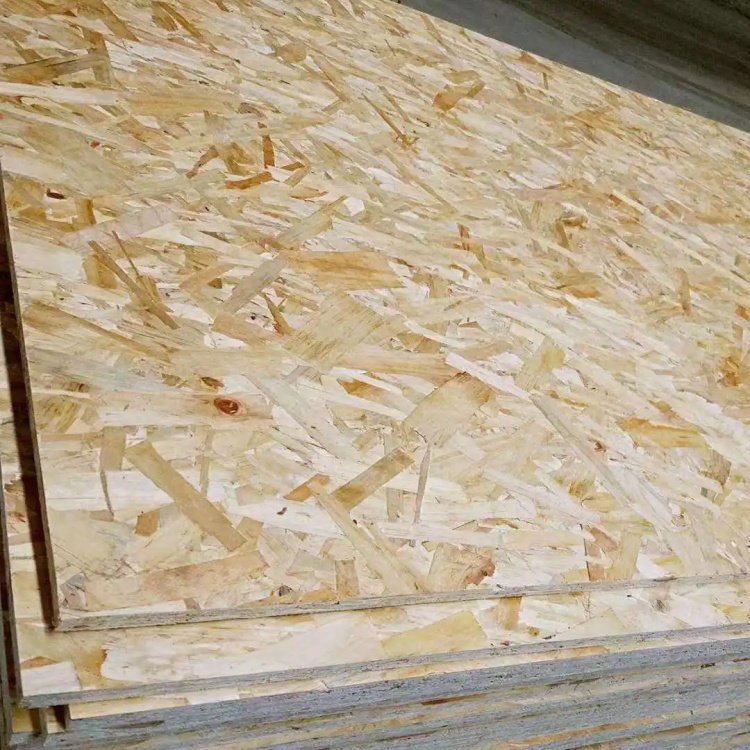
When buyers weigh plywood vs osb for a wall, floor, or roof, they compare two structural panels with very different strengths. Plywood builds from cross-laminated veneers, while OSB packs oriented strand layers into a press. This guide compares them on strength, moisture, fastener holding, and cost, and ends with the decision rules that settle most orders.
You will finish able to name the one panel for each job: sheathing, subfloor, roofs, and the wet and dry conditions that flip the choice.
This comparison matters most in North American and export framing, because both panels carry the same building ratings at similar thicknesses, and the choice shows up as cost and edge life after months on site.
Plywood stacks whole veneer sheets with the grain running across each layer, and OSB glues rectangular strand chips into thick mats that cross at the centre. Consequently, plywood resists splitting along a grain line, while OSB resists delamination at the point of a puncture.
Definition: oriented strand board, or OSB, is a structural panel made from rectangular wood strands arranged in crossed layers and bonded with resin under heat and pressure.
Structural rating also enters the decision. Plywood and OSB both carry certified strength classes, but the edge detail differs: plywood keeps a solid veneer band that takes nails and sealants, while OSB strands at the edge crush under concentrated loads.
Definition: an engineered wood panel is one whose strength comes from a designed lay-up and a declared rating, which is what lets builders span the same joist with either board at the right thickness.
Plywood shows a clean veneer edge and a smooth face, while OSB exposes strand texture and rough edges. In contrast, the OSB surface grips coatings and some claddings well, but it lacks the finished look a buyer can paint or leave visible.
Impact tells the story just as fast. A dropped tool or a loaded forklift weigh-point dents plywood locally and recovers, while OSB leaves a crushed crater around the strike, so traffic-heavy subfloors often choose plywood for the abuse tolerance alone.
Under load, plywood bends evenly and recovers, while OSB carries similar capacity but feels stiffer and can crush at fastener points under heavy loading. Both panels pass structural ratings, but their failure modes differ at the connection.
Bending stiffness favours plywood for floors and long roof spans, where the whole sheet works as one beam. Consequently, a plywood floor feels tighter under foot traffic than the same OSB thickness, even when both pass the rating table.
Shear and shear wall work shows a different picture. Fastened correctly with blocking at the seams, OSB delivers racking resistance close to plywood, and it behaves well in shear wall panels where the seam layout is engineered rather than improvised.
Racking resistance decides wall sheathing. A wall frame stays square during wind and seismic events because the sheathing transfers sideways force to the studs, and both panels handle this role well at the same rated thickness.
Definition: racking is the sideways force that tries to twist a wall frame from a rectangle into a parallelogram; shear panels resist it by carrying load across their face.
First, read the structural rating for the span you need. Second, match the fastening pattern to the panel: OSB demands dependable edge spacing because its edges lack the solid veneer band that plywood keeps.
Roofs and outbuildings expose the difference early. Rain that collects at a construction joint swells OSB strands permanently, while exterior plywood dries back with a scar instead of a raised edge, so wet-prone details should specify plywood.
Hollow-core and wood-boring insects also favour different scales of damage. Both panels need treatment in high-risk timber zones, but plywood’s intact veneer gives tunnels less room to spread through the core.
Moisture flips the comparison harder than strength. Plywood with exterior glue absorbs and dries with less swelling, while OSB swells at cut edges and along its rough faces when water sits on them.
| Condition | Plywood | OSB |
|---|---|---|
| Edge swell after wetting | Low | Higher, strands lift at cuts |
| Recovery after drying | Good | Partial, edges stay raised |
| Face water damage | Slow | Fast if left exposed |
| Insect penetration | Less attractive core | Available treated |
| Outdoor exposure | Exterior glue grades work | Needs sealing |
As a result, wet regions, roof edges, and bathrooms lean toward exterior-grade plywood, while covered, dry walls tolerate OSB with edge treatment.
Edge nailing reveals the same split. Plywood edges take nails and screws without splitting as quickly, while OSB edges hold, but repeated pull cycles in fixtures loosen the strand grip, so internal bracket work and visible hardware prefer plywood.
Screws and nails hold differently in each panel. Plywood grips around intact veneer, and OSB grips through dense strand mats, but a pulled fastener leaves a bigger mark in the strand panel.
Furthermore, hardware like ledger bolts and cabinetry brackets seats more predictably in plywood, so fixture-heavy walls prefer plywood for the connection story alone.
Big rosters run the cost comparison twice: once for the sheet price and once for freight weight. Cheap OSB sheets stack into heavier-looking pallets than the numbers suggest, so the landed cost can narrow the gap once shipping is included.
Waste on site runs the other way. Cut edges of OSB swell if water touches them, and discarded offcuts carry the same freight weight paid on arrival, so the lean material plan often favours a sturdier edge even at a higher unit price.
OSB usually prices lower per sheet at the same thickness, and it weighs a little less, which trims freight on big orders. The saving disappears when the job demands exterior exposure or smooth visible faces, because those requirements point back to plywood.
| Job element | Better choice | Why |
|---|---|---|
| Wall sheathing, dry | OSB or plywood | Both rated, OSB cheaper |
| Roof and floor spans | Plywood | Uniform bending, edge strength |
| Wet and coastal exposure | Plywood | Less edge swell |
| Visible interior paneling | Plywood | Smooth face, veneer look |
| Budget covered jobs | OSB | Lower material cost |
Structural sheathing orders commonly use Commercial Plywood where the face and edge matter, and the other budget roles lean on Chip Board when the job stays dry and fully supported.
Contractors who standardise one panel across a project keep the saw pattern, the fastener stock, and the edge treatment, and that consistency counts as a real saving beyond the sheet price.
These questions settle the choice at the quotation table.
At the same rated thickness, yes, for shear and most bending roles. However, plywood keeps a cleaner edge and better fastener grip, so strength at the connection favours plywood even when rated capacity matches. Clamping and heavy hardware pulls the same comparison: the veneer wraps the fastener, so a loaded bracket stays tight on plywood where an OSB hole widens first.
Plywood with exterior or marine glue survives exposure with far less damage. OSB swells permanently at cut edges when water collects, so wet jobs should specify exterior plywood or a fully sealed OSB detail. Cut edges deserve the same verdict: every saw cut on OSB opens another swell point, so wet regions should either change the panel or plan edge sealing around every opening.
OSB uses low-grade strand wood, squares the yield from whole logs, and presses in wide mats, all of which cut cost per sheet. Plywood pays for veneer sorting and lay-up labour.
No. Plywood takes paint after light sanding and priming, while OSB needs a heavier prime and a texture-tolerant coating to cover strand marks, so visible finishes push the choice toward plywood. Veneer surfaces also accept clear oils and stains that highlight timber grain, a look the strand face cannot imitate regardless of the coating system.
Finally, decide by exposure first and budget second. Wet, visible, and fixture-heavy work belongs on plywood, while dry covered sheathing can use OSB at lower cost. We stock the structural range in both panels and document the edge, bond, and rating on every order at HYY, so the panel matches the wall that carries it.