Our Location
5th Floor, Huake Center, Lanshan District, Linyi City, Shandong Province, China

5th Floor, Huake Center, Lanshan District, Linyi City, Shandong Province, China
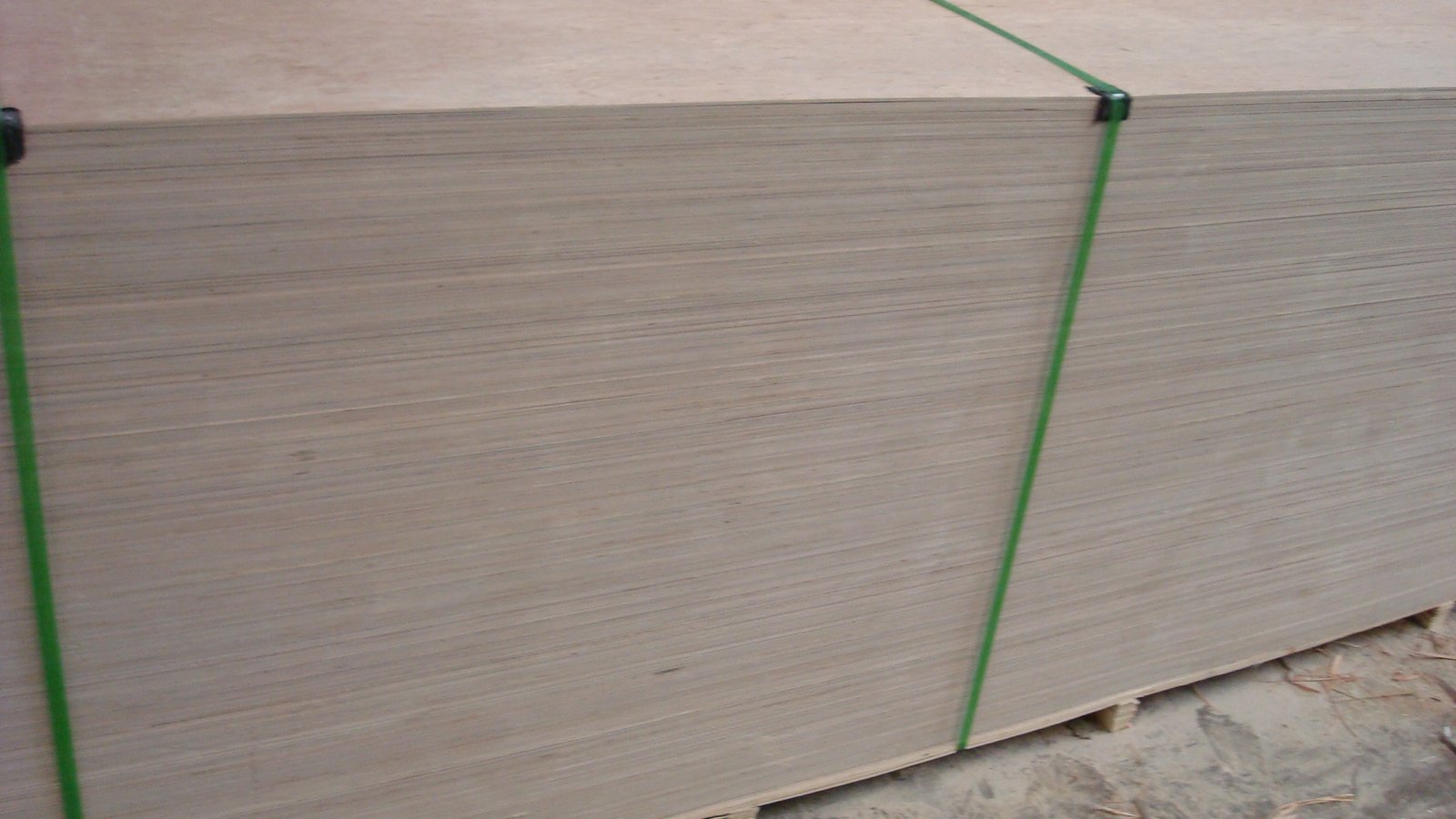
The weight of structural plywood follows the thickness, the species, and the moisture in the sheet, and it decides how a panel is lifted, stacked, and fixed. A heavier sheet carries more load and takes more hands, while a lighter one suits a hoist or a solo fix. This guide explains what sets the weight of structural plywood, how the thickness and the species move it, how to estimate a sheet and a bundle, and how the figure helps on site.
The weight also sets the risk. A sheet that a single pair of hands cannot hold safely wants a machine, and the plan follows the figure.
A chart on the wall helps. A maker that prints the weight per sheet lets the crew plan the lift before the load arrives.
A load that is too heavy strains the frame. A deck and a shelf carry the mass of the panel, and the span table states the limit.
A light panel speeds the work. A roof and a ceiling go up faster when each sheet lifts with ease.
A heavy panel suits a floor. The mass steadies the deck underfoot, and the sheet stays put through the build.
A specifier writes the weight into the lift plan. A sheet that a hoist must carry shapes the sequence, and the crew sets the panel in a safe order.
A light sheet saves a machine. A thin panel that two hands can hold skips the hoist, and the job moves without the setup.
The thickness leads the figure. A deeper panel carries more wood, and the weight rises with the volume the sheet contains.
Definition: the weight of structural plywood is the mass of a panel for its size, set by the thickness, the wood density, and the glue line.
The species moves the density. A dense hardwood face and core weigh more than a softwood build, and the difference shows on a scale.
The glue and the film add little. A weather bond and a coated face add a small line, and the wood still carries most of the mass.
The moisture sets the rest. A dry sheet weighs less than a wet one, and a panel that has taken rain can gain a few kilos.
The size multiplies the mass. A bigger sheet of the same thickness weighs more, and a full panel outweighs a half.
The veneer thickness adds up. A panel with thick plies holds more wood, and it weighs more than a thin-ply sheet.
The moisture content shifts the figure. A kiln-dried sheet reads lighter, and a damp one gains mass in the stack.
The coating is a small line. A film and a sealed edge add a little, and the wood carries the rest.
The core species decides the base. A dense core outweighs a light one, and the sheet lifts with a different effort.
A common sheet runs a set figure per square metre. An 18 mm panel weighs more than a 12 mm, and the rating scales with the volume.
A softwood sheet is lighter. A pine or a poplar build lifts with less strain, and it suits a roof or a lining where a light panel helps.
A hardwood sheet is heavier. A birch or a eucalyptus build takes more hands, and it carries a heavier load for its size.
A treated sheet gains a line. A fire or a preservative treatment adds mass, and the treated panel weighs more than a plain one.
The finish changes the figure. A film face and a sealed edge add a little, and the coated sheet needs the same care in the lift.
A weight per square metre helps compare. A maker who prints the figure lets a buyer compare two sheets at a glance.
A thick softwood sheet can match a thin hardwood. The two carry different loads, and the weight alone does not decide.
A treated sheet lifts heavier. A fire or a preservative load adds mass, and the crew plans for the extra kilos.
A wet sheet gains weight in a day. Rain on a stack soaks the edges, and the panel lifts heavier than the chart.
Store the sheet dry to keep the figure. A covered stack holds the weight the maker states.
Work from the volume. The area times the thickness times the density gives a close figure, and a chart does the sum for a common size.
Add the handling margin. A person lifts about 25 kg safely, and a heavier sheet wants a two-person lift or a hoist.
Check the bundle weight. A pack of sheets can exceed a tonne, and the load sets the truck and the crane on delivery.
Allow for the fix. A heavy sheet wants two fixers and a platform, and a light one goes up a ladder with less risk.
Weigh a sample if unsure. A single sheet on a scale confirms the chart, and the figure guides the next order.
A scale settles a doubt. A single sheet on a platform scale confirms the chart, and the figure guides the fix.
A centre of mass matters. A heavy sheet balances at the middle, and two hands carry it closer to the body.
A trolley saves the back. A panel trolley rolls a heavy sheet, and the crew avoids a strain.
A two-person rule keeps it safe. A sheet over the safe lift wants a partner, and the load moves without a risk.
A bundle wants a plan. A full pack needs a machine and a route, and the site prepares before the truck.
Plan the lift before the sheet. A hoist, a ramp, or a pair of hands follows the weight, and the plan keeps the crew safe.
Brace the frame for the load. A deck that carries a heavy sheet wants the support spacing the span table states.
Share the weight in a stack. A bearer pattern spreads the mass, and the bottom sheet stays flat.
The panels order as Commercial Plywood and Film Faced Plywood at the thickness the job names.
The technical desk at HYY matches the thickness and the species to the lift and the frame on the job.
A frame carries the deck. The support spacing takes the weight of the sheet and the load above, and the span table holds.
A hoist needs the figure. A crane and a lift have a capacity, and the sheet weight sets the safe load.
A stack wants a bearer. A pattern under the pile spreads the mass, and the bottom sheet stays true.
Plan the route first. A clear path and a firm floor make a heavy lift safe, and a tight turn adds a risk.
Wear the right grip. A glove and a hook help a heavy sheet, and a bare hand can slip.
Lift with the legs. A straight back and a bent knee protect the spine, and a partner shares the strain.
Set the sheet down square. A panel laid flat on bearers stays flat, and a corner drop can kink the edge.
Store off the floor. A dry base keeps the weight stable and the panel sound.
A heavy sheet wants a flat store. A stack on bearers spreads the load, and the bottom panel keeps its shape.
A wet sheet should dry first. A damp panel weighs more and bends, so a covered, dry store protects the weight and the form.
A sheet dropped on a corner kinks. A careful set-down keeps the edge, and the panel stays flat for the deck.
A crew that plans the lift saves time. A route and a machine ready keep the day moving.
These answers cover the weight questions that come up before the order.
It follows the size, the thickness, and the species. A larger, deeper sheet weighs more, and a softwood panel weighs less than a hardwood one.
Not by itself. The thickness and the core carry the load, and a heavier sheet usually just holds more wood.
A thin sheet with a softwood core. It suits a light panel or a roof, and it still holds the strength plywood gives.
A thin sheet, yes. A full 18 mm panel about 2.4 by 1.2 m runs heavy, and it wants a second pair of hands.