Our Location
5th Floor, Huake Center, Lanshan District, Linyi City, Shandong Province, China

5th Floor, Huake Center, Lanshan District, Linyi City, Shandong Province, China
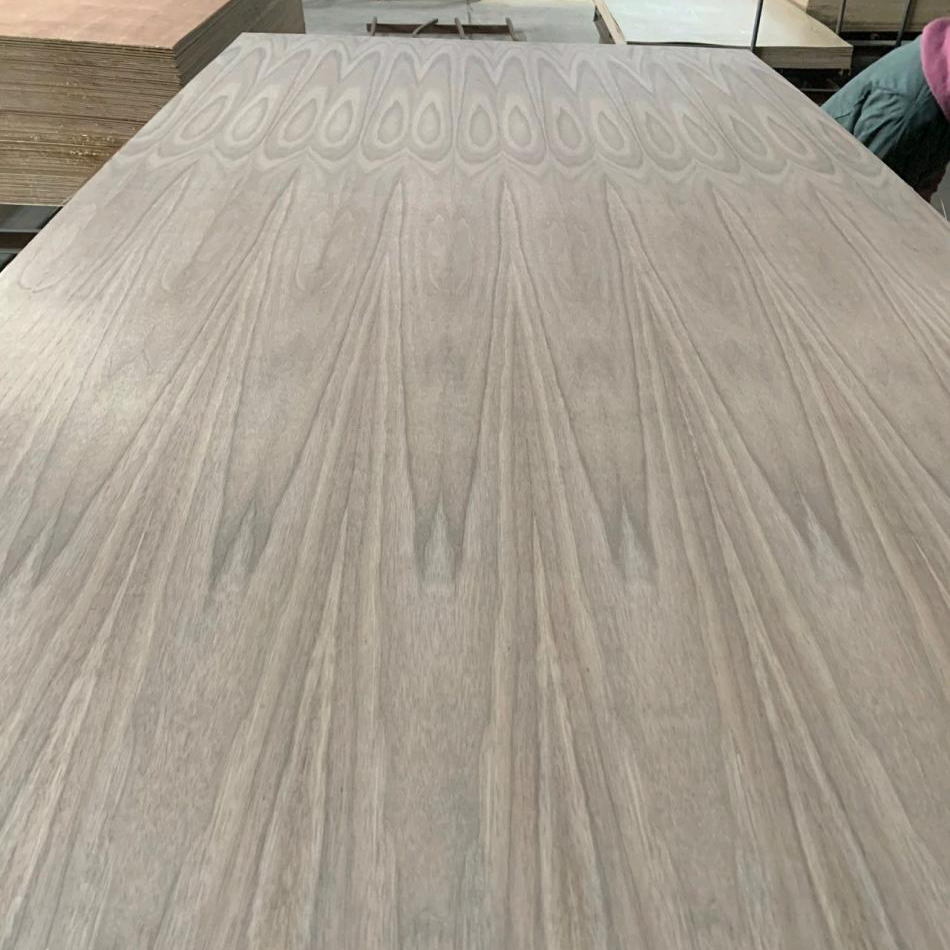
Reading a plywood grade chart is the fastest way to stop paying for face quality you cannot use. The letters A, B, C, and D describe the two outer veneers, and the pair of letters sets both appearance and price. This guide explains the grading system, pairs grades with real jobs, and shows how to write a grade requirement that suppliers quote consistently.
You will leave with a two-line spec habit: grade pair plus bond class, written against one named standard, which removes most grading disputes before delivery.
Grading describes the visible surface, not the strength of the panel. Each outer veneer receives a letter, and the two letters together form the grade name, such as A-C or C-D. Definition: a face grade is the quality class of one outer veneer measured by the number and size of knots, patches, and splits it may carry.
Grading looks at the face veneer only, so an A face can hide a D interior if the standard allows it. Read the core class as its own line, because the visible premium and the internal quality are two separate price blocks.
Nearly all panels pair a better face with a rougher back, because buying two premium faces doubles the cost. First, decide which side shows in the finished product, then name the better grade for that face. A hidden cabinet interior and a visible room-facing veneer should never share one level of appearance spending.
Quality letters also carry the rough-back logic in reverse: some markets grade the back more strictly than the face on cheaper panels, which is why the pair must stay unambiguous on the contract.
Next, check the core. Structural panels allow more open characteristics inside, where nobody sees them, while marine and veneer-faced panels limit core defects to protect the edge and the bond. Face grades therefore do not tell the whole story; the standard assigned to the core completes it.
Finally, remember that grading happens at the mill under trained eyes, so two factories can label a similar face differently. The grade letter starts the negotiation; the sample finishes it.
International orders usually name an EN or a PS1 family, and the letters move between them. Definition: an EN face couples letters and species marks in one system, while the PS1 system stays on the A to D range most buyers already know, so confirm which system the letter belongs to.
The chart below shows what each letter allows on the surface and where it earns its place in a typical order.
| Grade | Face description | Price position |
|---|---|---|
| A | Smooth, sanded, minimal repairs | Highest |
| B | Painted-quality, minor patches allowed | High |
| C | Tight knots and small splits | Mid |
| D | Open knots and defects, unsanded | Lowest |
In contrast, a pair like A-D names a smooth visible face and a rough hidden back, which buyers use where one side never shows. The same letters appear in four common combinations across orders.
Price follows the better face, so the first letter usually drives the quote more than the second one.
Abbreviations add a second layer of confusion. WBP and MR describe glue families, BB and CC describe sanded quality, and AAA names premium furniture faces, so a spec that lists only one term stays ambiguous until the standard appears next to the letters.
Grade letters describe appearance; they say nothing about glue or strength. A smooth premium A face can sit on an interior bond, and a rough structural panel can carry exterior glue designed for weather.
| The grade letter tells you | The grade letter does not tell you |
|---|---|
| Surface smoothness | Glue class and wet resistance |
| Knot and patch limits | Structural strength rating |
| Whether sanding is applied | Moisture-related standard |
Consequently, a spec must state both the grade pair and the bond class, such as C-D exterior or A-C interior. Names like CDX or ACX mix grade with bond, which is why buyers should confirm the letters separately on every quote.
Also separate grade from voids and edge soundness. A smooth D face still hides an open core; a rough C sheet can deliver a clean, dense edge. The two features have different inspection points and different effects on the installed part.
Spot and void counts behave as the quiet cost driver: two A to C sheets can print differently on the veneer while both pass inspection. Ask for a small export sample of the actual face before committing a large order to a single grade call. Veneer logs that grade A in one season can grade B in the next, so treat the letter as a snapshot and the sample as the proof.
Pairing the grade with the visible role avoids both overspending and rework.
For furniture faces, Melamine Plywood adds a finished decorative layer over a sound core, and for structural subfloors and framing, Commercial Plywood delivers C-grade utility at the lowest sensible cost. Where smooth formwork faces matter, Film Faced Plywood replaces an A face with an overlay that strips cleanly from concrete.
Build the order around the exposed face, and treat the hidden face as a cost lever: it does not need A quality if it never shows, so dropping the back grade buys more of what the project sees.
Trading and bidding also shift the grade outcome. A mill that quotes a C face at a B price usually means one of the two letters is doing more work than the document admits, so settle the sample against the written pair before release.
Four misunderstandings produce most grade-related complaints.
Definition: CDX names a C grade face, a D grade back, and an exterior bond, and it carries no promise of smoothness or marine resistance. As a result, reading the standard label and the bond line prevents most mismatches before the container moves.
These questions come up when a quote lists letters without explaining what they mean.
The first letter names the front or better face, and the second names the back. A-C means the visible side is smooth and the hidden side is rough, which covers most cabinet work with one premium face. When both faces show, as in a double-sided door or a freestanding partition, upgrade the second letter as well; the visible back usually costs far less than the front premium.
It depends on the standard. B/BB signals a quality classification developed for furniture grading, so compare it using the same document that defines the letters rather than assuming A always wins across systems. Ask the mill which document defines the pair, then accept the sample that matches the intended finish rather than the letter that sounds better.
A sanded grade means the face passed a smoothing pass, which suits paint and clear coats. Sanding adds cost and reduces net thickness slightly, but it supports a clean finish on interiors.
No. North American, European, and Asian systems use different letter rules and core definitions. Always pair the grade with the standard name in the contract so the quote can be verified. Where the market demands a local certificate, request the translation of its face class into the letters you use internally, so the sample and the contract speak the same language.
Finally, write the grade pair and the bond class as two separate lines in the order, and confirm the standard behind both. Buyers who follow this pattern stop paying for smooth faces they hide and stop expecting rough panels to suit wet sites. We list the grade pair, the sanding pass, and the glue class on every delivery at HYY so the chart matches the panel that ships.