Our Location
5th Floor, Huake Center, Lanshan District, Linyi City, Shandong Province, China

5th Floor, Huake Center, Lanshan District, Linyi City, Shandong Province, China
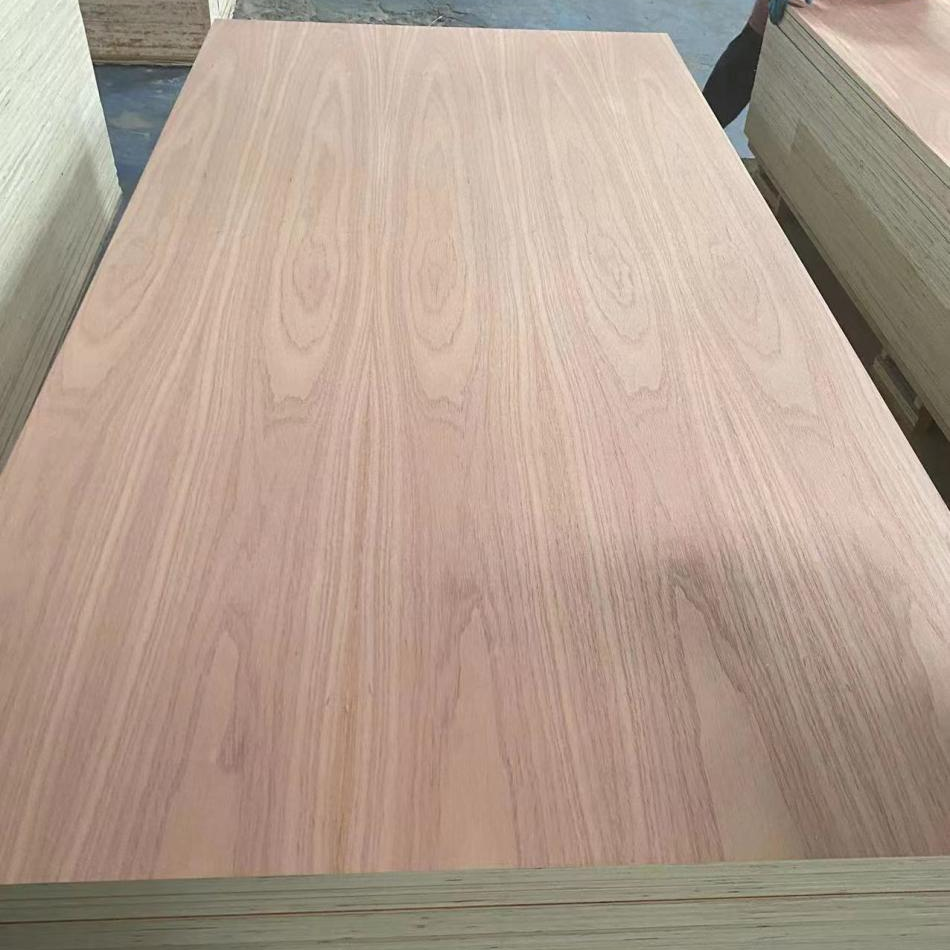
Getting plywood sheet sizes right determines the number of panels in a container, the waste on site, and the joint pattern on the floor. Most factories work from one standard sheet, and every other size is a cut. This guide covers common dimensions, thickness families, and the ordering questions that stop size surprises between the quote and the delivery.
After reading it, you can name the sheet basis, the thickness family, and the cutting allowance for any job, which keeps the yield calculation honest from day one.
Factories build panels around press and veneer dimensions, so a small set of standard sheets carries the whole market. Buying stock sizes keeps unit cost low and container loading clean, while every custom cut adds scheduling and creates offcuts.
Veneer peel log diameter limits the practical sheet width, so a few standard bands grew out of the log sizes and press arrays that mills already owned. Therefore, size follows the machine line more than the architect, and designers start from the sheet, not the other way around.
The 1220 by 2440 millimetre sheet, known globally as 4 by 8 feet, dominates export business because it suits walls, floors, and furniture layouts with little waste. Definition: a stock sheet is a factory-standard width and length that the supplier keeps in continuous production; cut-to-size panels are trimmed from it to order.
The 4 by 8 module also drives freight: sheets pack face to face into a stable bundle, and a full container loads with predictable count and weight, which makes quotes simpler and delivery dates more reliable for the buyer.
Some plants run the 1220 basis with imperial feet and the 1200 basis with metric millimetres, and the two families rarely mix on one schedule. Make sure the number on the drawing matches the number on the packing list.
European and Asian markets also run 1200 by 2400 and 1250 by 2500 millimetre sheets. In contrast, the 1220 by 2440 basis carries the extra 20 millimetres for edge trimming, so boxes and fixtures planned on the 1200 basis waste a little less on the larger sheet. Cabinetry built in millimetres should confirm the basis before the cutting list is drawn.
Definition: a jumbo sheet exceeds the standard width and lets large tables and wall panels machine in one piece. It costs more per sheet and needs special freight, so reserve it for parts that cannot join cleanly.
Most orders name one of four bases, and the choice usually follows the destination market and the standard framing module.
| Nominal sheet | Actual millimetres | Where it dominates |
|---|---|---|
| 4 by 8 feet | 1220 by 2440 | Global export, North America |
| Metric Europe | 1200 by 2400 | Continental furniture and interiors |
| Metric wide | 1250 by 2500 | Part of the European range |
| Jumbo | 2440 by 1220 or larger | Special order and premium faces |
First, confirm which basis the buyer’s site uses; mixing two bases on one job forces unplanned cuts and ugly joints. Next, verify the tolerance the factory actually holds, because a wider sheet that drifts in size creates more waste than a thinner one that stays square.
Measure the sheet you receive rather than trusting the printed size. A tightened longitudinal edge any 2 to 3 millimetres short changes the layout; stock Commercial Plywood keeps the standard 4 by 8 basis for structural work, which is the safest starting point for floors and walls.
Thickness equivalence matters when designs mix metric and imperial. A 12 mm sheet and a half inch sheet both satisfy nominal sizing in most grades, but the net sanded value still differs slightly, and cabinetry that jigs to the nominal number can come out proud of the pocket.
Thickness sets the strength per span and the price per sheet, and it arrives with sanding tolerance that buyers should know.
| Nominal thickness | Typical working range | Common use |
|---|---|---|
| 4 mm / 1/6 in | 3.2-3.8 mm | Veneer faces and liners |
| 6 mm / 1/4 in | 5.2-5.8 mm | Panels and light packing |
| 9 mm / 3/8 in | 8.2-8.8 mm | Wall lining and light shelves |
| 12 mm / 1/2 in | 11.2-11.8 mm | Floors over joists and furniture |
| 15-16 mm | 14-15 mm net | Heavy floors and benches |
| 18 mm / 3/4 in | 17.2-17.8 mm | Structural floors and door cores |
| 25 mm / 1 in | 24-24.5 mm | Heavy duty decks and staging |
Definition: nominal thickness is the size the order names, while the net thickness after sanding runs lower and varies within tolerance. Consequently, machine settings and joinery should use the net measurement, or the assembled piece comes out proud of the design.
Higher moisture content also swells the panel slightly, so record the moisture target and condition the stock to the site before machining critical joints.
Cost scales with thickness faster than it scales with area, because each extra millimetre of veneer consumes log and press time. An 18 mm floor panel usually prices well above the 12 mm sheet per square metre, so thickness belongs on the value engineering list before the order.
Grain runs along the sheet length, and that direction carries the span. Planning the layout before cutting saves the largest share of waste on any order.
As a result, a buyer who sketches the cut list once usually discovers that one extra sheet of a different size saves two sheets of the standard panel. Layout planning costs thirty minutes at the desk and saves both material and freight weight on every delivery.
Edges deserve their own line in the spec. Sealed or banded edges protect the core in damp work, and a factory-trimmed panel arrives square enough to butt precisely, while a site-sawn edge needs sanding and sealing before it closes.
Stock sheets price lowest per square metre, but they force on-site cutting. Trimmed panels cost more per sheet and save labour, and they suit fixed cabinet and vehicle layouts where sizes repeat.
Furthermore, check that the trim tolerance matches the joint; panels that arrive slightly larger than the pocket must be reworked, which cancels the labour saving. Machine shops ordering repeated internal sizes often prefer precision-cut MDF Board, while shops needing a finished face in standard sheets reach for ply and veneered stock like Melamine Plywood.
Pallet counts also differ by basis: the 1220 by 2440 sheet and the 1200 by 2400 sheet rarely load to the same count per bundle, so confirm the unit in the purchase order and check one bundle at the dock.
These questions resolve the size confusion that causes most specification errors.
No. Four by eight equals 1220 by 2440 millimetres. The extra 20 millimetres per side matters in furniture boxes and tight insets, where a design dimensioned for 1200 no longer fits the sheet layout, and it changes floor seam positions on metric jobs.
Sanding removes material after pressing, so an 18 mm sheet arrives around 17.2-17.8 mm net. Design joints, rebates, and hardware pockets around the net value rather than the printed nominal size.
Yes. Most plants trim and cut to order with minimum quantity rules. Compare the cut cost against the labour your crew saves before choosing, and ask for the tolerance on every trimmed dimension.
Standard 18 mm 4 by 8 sheets load to several hundred per container on edge, and the exact count depends on palletising and weight limits. Ask the forwarder to confirm the figure for your mixing ratio before you plan production. Mix counts change quickly when you add packers or heavier thicknesses, so reconfirm after every specification change. The same cargo in 9 mm loads near double the sheet count at similar weight, which is why freight quotes should always state the thickness.
Finally, lock the nominal size, the net tolerance, and the cut list into the order document. Buyers who plan the layout first and choose stock basis sheets that fit the module reduce waste and freight cost in the same move. We confirm the exact sheet sizes and net thickness on every invoice at HYY, so the panels match the cutting plan from the start.