Our Location
5th Floor, Huake Center, Lanshan District, Linyi City, Shandong Province, China

5th Floor, Huake Center, Lanshan District, Linyi City, Shandong Province, China
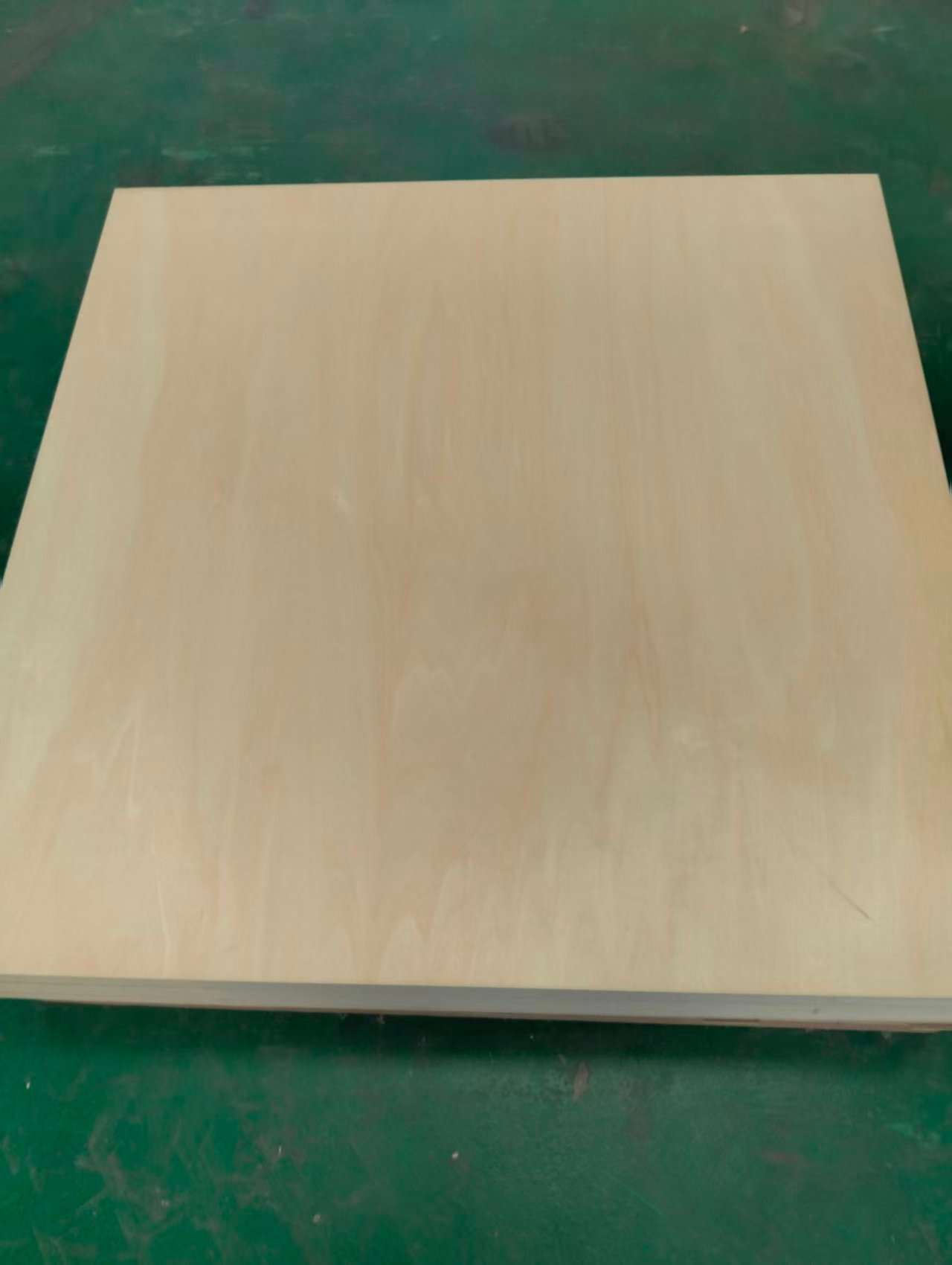
Buyers who compare film faced plywood vs plywood are really comparing one structural panel plus an overlay against the same core without it. The film turns a sheet into a concrete-release face and adds a waterproof barrier, while plain plywood keeps a bare veneer that paints, glues, and shows its grain. This guide compares the face, the glue, the price, and the jobs that suit each, and ends with a simple buying split.
Definition: film faced plywood is a structural panel with a resin-impregnated overlay pressed onto both faces, and the overlay seals the veneer and releases concrete during formwork duty.
The film changes three properties at once. It blocks surface moisture, it resists concrete sliding and cleaning spray, and it hides minor core imperfections, so the spec questions centre on the face, the glue, and the reuse count rather than on the veneer grade.
The overlay lives in the weight spec. Film faced sheets carry a coating measured in grams per square metre, with heavier overlays advertised at more pours, and a buyer who reads the weight before the price compares formwork panels honestly.
Core quality decides the reuse count in the end. A closed, well-composed core resists the stripping bar and the cleaning spray, while an open core tears under the first pours, so the face talk should not drown out the core question.
Plain plywood shows grain and accepts paint, stain, glue, and varnish. The film face rejects those coatings without etching, so finishing jobs stay with the bare veneer while pour-board jobs move to the overlay.
Coating systems decide here before the sheet is cut. A clear lacquer and a two-part epoxy both demand adhesion to an open wood face, and the film’s smooth release face defeats them equally, so the finishing schedule that rides on the panel should be written on the order line first.
Both families can carry exterior glue. The film adds a surface seal the bare veneer lacks, and the combination of an exterior bond plus a sealed face is what makes the film panel a weather-driving sheet on wet sites.
Glue class reads as the hidden clause on both families. An interior-bond sheet with a film face still delaminates at the edges in weather, and a bare exterior sheet shrugs off damp better than its dressed cousin with interior glue, so the two lines move together in the stamp.
A water test on the cut edge tells the story faster than the class name. Splash a cut surface and watch the first hour, because the bond that shrugs it off passes the site check, while the film that peels at the seam fails the same test.
Bare veneer wins every time the sheet stays visible. Cabinets, furniture panels, painted cladding, and clear-finished decks all start from plain plywood, because the coating system needs an open wood face to bond with.
A bare face also stores better against chemical spills. Paints, solvents, and workshop liquids wipe off sealed plywood with a light scrub, while the same spill stains and lifts the film line, so utility benches and shop counters read the coating question twice before they choose the face.
The open face also accepts glues and fasteners without prep. Plywood edge treatment, woodworking joints, and structural gluing all benefit from the raw veneer, and the buyer avoids the film’s slippery surface that rejects adhesive.
A painted bare sheet also patch-repairs invisibly. A dented area sands back to wood, primes, and recolors into the surrounding face, while a film repair leaves a seam nobody hides, so maintenance departments keep the repairable panel on the shop shelf.
Plain veneer also hides repair work well. A damaged spot sands, patches, and re-paints without a line, while a torn film edge advertises every scrape, and interiors that see maintenance choose the repairable face.
The bare face also records its history honestly. Saw marks, grain, and the occasional grain check stay visible for the buyer to read, while a film hides the same core behind a smooth mask, so show-and-tell orders often start from the open veneer.
Concrete formwork runs almost entirely on film faced panels. The overlay releases the cast, survives the stripping bar, and sheds cleaning spray, so a pour roster counts on the film, not on the veneer.
Formwork reuse changes with the film weight. A light film fades after a few clean pours, while a heavy overlay keeps its surface for a full roster, and the cycle count in the quotation decides which film a buyer writes into the order rather than which sheet happens to be on hand.
Wet-site protection is the second win. A film faced sheet sheds rain during construction, stores better on damp ground, and keeps its face after a seasonal pause, which makes it the common choice for hoardings, hoarding barriers, and temporary wet-site covers.
Wet exterior work extends the film’s second life. A hoarding that sheds rain, a temporary cover, and a scaffold deck all keep cleaner faces when the sheet starts life sealed, and the same bundle rolls straight onto the next pour after its cover duty.
Visible surface texture matters on the pour line. A smooth overlay leaves a clean cast face and easier trowel release, while a textured film presses patterning into the concrete, so buyers who pour architectural faces ask for the smooth film on the order line.
A seasonal pause punishes a bare face long before it punishes the core. The film holds the veneer seams closed while the job waits, and the same sheet returns to the pour clean, where an exposed sheet stains and checks through the winter idle.
Film faced plywood prices close to plain exterior plywood at the same thickness, and the film board often beats a premium-face sheet because the overlay hides core imperfections that a clear finish would expose.
Price gaps also close at the panel edges. A premium bare face with a defect-free layer costs more than a film sheet that hides the same core, so the buyer who compares face prices without reading the core usually pays twice for veneer it cannot use.
Cutting habits differ between the two. A bare veneer edge accepts paint and sealers easily, while a film edge needs a sealer that keys to the overlay, so the site kit for a film panel includes an edge treatment step.
Edge detailing rewards the same routine on both panels. Seal every cut line within the hour, prime the exposed hole where fittings pass, and stack the sheets under cover, so the face system and the edge system work together.
The same edge discipline stretches both panels’ service. A sealed cut line keeps the bare sheet from wicking and the film sheet from peeling, and the site that treats every panel edge as a fast path finishes the season with flat stock in the rack.
The film also changes the fastener story. A screw bites the core the way it does in bare plywood, but the overlay seals the fastener hole better in the wet, while a bare face lets water ride under the head, so damp assemblies earn their keep from the sealed sheet.
| Job | Choose | Reason |
|---|---|---|
| Concrete formwork | Film faced | Release and reuse face |
| Painted or stained finish | Plain plywood | Open veneer for coatings |
| Wet-site hoarding | Film faced | Shielded face and edge seal |
| Structural interior | Plain commercial | Standard bonding and cutting |
Name the surface first, then the exposure. Finish work orders a bare faced sheet such as Commercial Plywood and pour work orders Film Faced Plywood, with Melamine Plywood covering indoor faced furniture where paint and glue never arrive. Review the matched face options at HYY before the order splits the roster.
A quick rule of thumb closes the split. If the sheet stays visible and takes coatings, order the bare veneer; if the sheet faces concrete, weather, or repeat abuse, order the film, and let the reuse count set the overlay weight.
These answers settle the face question for buyers who order mixed panels in one container.
Not without surface prep. The overlay rejects paint, so a painted finish starts from bare veneer or a scuffed and primed film face.
At the same core and thickness, the strength is equal. The film protects and releases; it does not add structural capacity.
Film faced sheets cost a little more than plain exterior sheets because the overlay adds a press pass. Plain premium-face plywood can cost more when the veneer grade drives the price.
The overlay rejects woodworking glue. Surface-scuff the areas to bond, or use plain veneer for glued joints.