Our Location
5th Floor, Huake Center, Lanshan District, Linyi City, Shandong Province, China

5th Floor, Huake Center, Lanshan District, Linyi City, Shandong Province, China
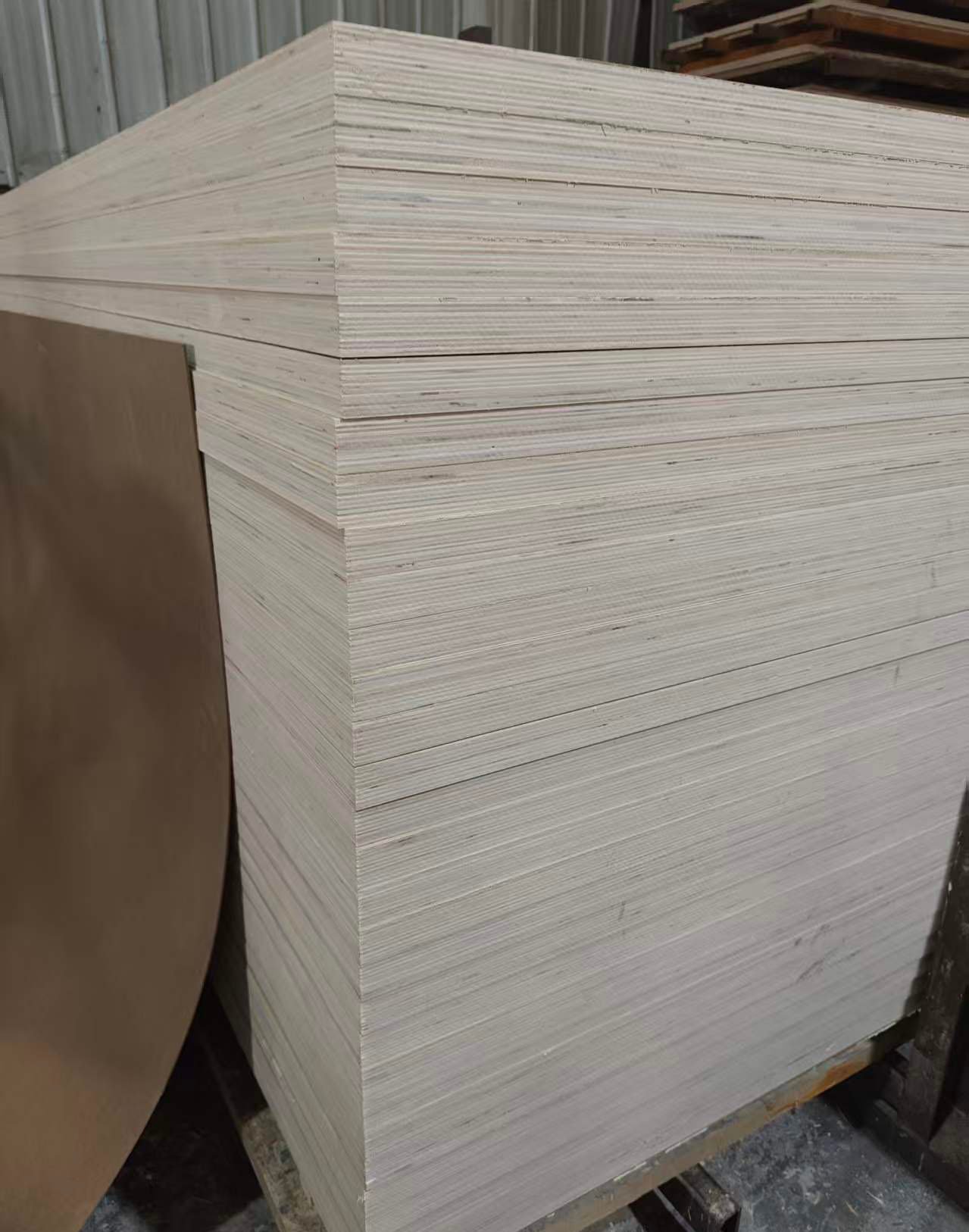
The types of plywood used in construction span sheathing, subfloor, formwork, and finish panels, and each type carries the rating, the bond, and the face that its job demands. Buyers who name the type and the exposure at the start order the right sheet without re-quoting. This guide sorts the families, the stamps, and the checks that keep a construction order honest.
Definition: construction plywood is any panel engineered for building use, and it arrives in families that share a core and a glue but differ in face, rating, and treatment.
Most construction sites stock the same small set: a structural sheathing panel, a flooring grade, an exterior wet-use sheet, a formwork panel, and a finish panel. Each family answers a different line of the drawing, so the type follows the job.
Weather-proofing families round out the set. Treated sheets and wet-use panels carry preservatives or sealed faces for ground contact and open structure, and the treatment line on the order tells the site which bundle stays dry and which shrugs off the season.
Marine and exterior sit at different price points for the same reason. Marine panels add a stricter veneer discipline and a higher price for water-sports duty, and a construction order that needs weather tolerance normally stops at exterior grade unless the spec names marine.
Sheathing braces walls and roofs and carries the weather while the cladding goes up. It rates by span rather than by face, and an exterior bond keeps it sound through the open phase of the build.
Roof and wall sheathing read the same stamp differently. A roof panel works in long wet cycles and a wall panel in vertical shear, and the span line on each serves the drawing, so the takeoff records the role and lets the stamp answer.
Bracing panels also settle into the racking line. The same sheet that carries roof load on a flat plane stands a wall in shear during a storm event, so sheathing orders record both the span and the racking value on one line of the takeoff.
Formwork panels carry the pour and release the cast. A sealed surface such as a film faced panel handles the concrete, and the film weight plus the core decide how many clean pours the sheet survives.
Formwork panels also protect the labour around them. A sheet that releases clean and strips square saves the crew on rework, and a film that peels mid-pour costs the finishing team the whole cycle, so the panel spec shows up in the crew’s hour ledger as well as on the pour schedule.
The pour schedule is the film panel’s true test. A clean release and a square edge repeat for every cycle, and the crew that oils, cleans, and squares the corners adds cycles to even a modest film, so the habit and the sheet share the pour log.
The face grade names the veneer quality on each side, and the bond class names the glue’s wet performance, and the two lines ride together on the stamp. A C-D face with an exterior bond suits framing, while a B face steps up for painted structure.
Grade pairs also answer the two-sided drawing. A hidden back carries a tolerant letter and a visible front carries the budget, so the pair logic places the money where the eye lands and keeps the rest of the sheet at working grade.
Moisture exposure takes precedence over face beauty. Type the bond for the worst condition the panel faces during the build, then spend the face grade budget on the surfaces that actually stay visible.
The stamp line encodes the whole decision. Exposure, glue, species group, and rating pack into a short code on the sheet, and a buyer who reads the stamp negotiates thickness, price, and delivery in one call instead of three.
Face and back can differ by design. A panel with a sound face and a cheaper back suits painted structure, while a symmetrical double-face sheet suits visible work on both sides, so the budget places the better veneer only where the eye lands.
A short code also shortens the site dispute. When every sheet answers to the same stamp, the inspector, the store, and the engineer read the same letters, and the argument about what the order meant ends at the pallet instead of on the phone.
Thickness follows the span table, not the habit. A 12 mm sheet braces partitions and roofs on light framing, 15 mm runs floors and walls on standard spans, and 18 mm and above floor heavier traffic and wider joists.
Span tables move with species and thickness together. A stiffer species group carries a wider span at the same thickness, and the table names the combination, which is why a substitution that changes species or rating should re-run the span check.
Substitution requests deserve a stamp re-read. When a buyer swaps 15 for 18 millimeter to save weight, the span table must close again for the new thickness and species, and a re-quote in writing beats a tolerant nod on the phone.
| Type | Bond | Face | Typical use |
|---|---|---|---|
| Sheathing | Exterior | C-D | Walls and roofs |
| Subfloor | Exterior | Sandable | Floors under finish |
| Formwork | Exterior | Film | Concrete casting |
| Finish panel | Interior | B or better | Visible interior work |
Order the type, the thickness, and the exposure on three lines, and the mill quotes one panel instead of a family. Standardize the stamp on every delivery so the site crew reads the same marks all season.
Standardizing one family reduces quotes. When the whole envelope uses the same structural type in three thicknesses, the mill prices a clean container per job, and the site crew reads one stamp instead of a drawer full of different sheets.
The container itself standardizes around the family. One species set, one glue line, and three thicknesses pack into a clean load, and the freight quote repeats without asking, so a multi-user takeoff holds its price better than a mixed drawer of panels.
The last inventory act is the written one. A rack card that names the type, thickness, and exposure for each stack keeps the brown sheets honest, and the buyer who walks a rack of labelled bundles orders the next lot from memory rather than from guesswork.
Verify the bundle before the crane. Check the stamp, measure a sample thickness, and flex an edge for glue quality, then store the sheets flat on skids under a shedding cover so the rated performance survives the wait.
A wet delivery arrives before it is stored, so the receiving check reads the moisture. A damp corner marks the bundle for priority use, and the dry sheets wait under cover, which keeps one shipment from splitting into two quality pools on the dock.
Keep the types separate on site. A film faced formwork sheet and a bare finish panel look different after a week of weather, so mark the bundles and store the wet-use sheets nearest the pour.
The last check happens on the job. Every bundle should carry the same stamp, thickness, and exposure across the lot, and a mixed bundle that slips past receiving is the one that fails inspection later.
Paperwork closes the loop for the biggest jobs. A delivery note that matches the stamp count, a sample retained off the bundle, and a written substitution path keep the panel family straight from quote to inspection on a project that spans months.
For most construction packages, Commercial Plywood covers the structural runs, Film Faced Plywood covers the concrete, and Chip Board fills dry interior shelves. Review the site panel range at HYY when the drawing names more than one type.
A covered yard and a flat skid do the second half of the moisture work. The sheet that lands dry and stays level keeps its rating, while the bundle that waits on wet ground starts the wall job one defect behind the specification.
These answers sort the panel families for buyers who take off a full building envelope.
Sheathing is a structural role, and structural plywood is the rated product that fills it. A sheathing panel carries a span rating and an exterior bond, and it qualifies as structural for framed use.
Structurally yes with an exterior bond, but bare faces check and stain. Weather-facing exterior work adds paint, film, or a cladding layer over the panel.
15-18 mm over 400-600 millimeter joists answers most floors, and workshop floors step to 21-25 mm with closer framing.
Yes with the right core and rating. The film protects and releases, and the structural claim lives in the stamped core and bond, not in the overlay.