Our Location
5th Floor, Huake Center, Lanshan District, Linyi City, Shandong Province, China

5th Floor, Huake Center, Lanshan District, Linyi City, Shandong Province, China
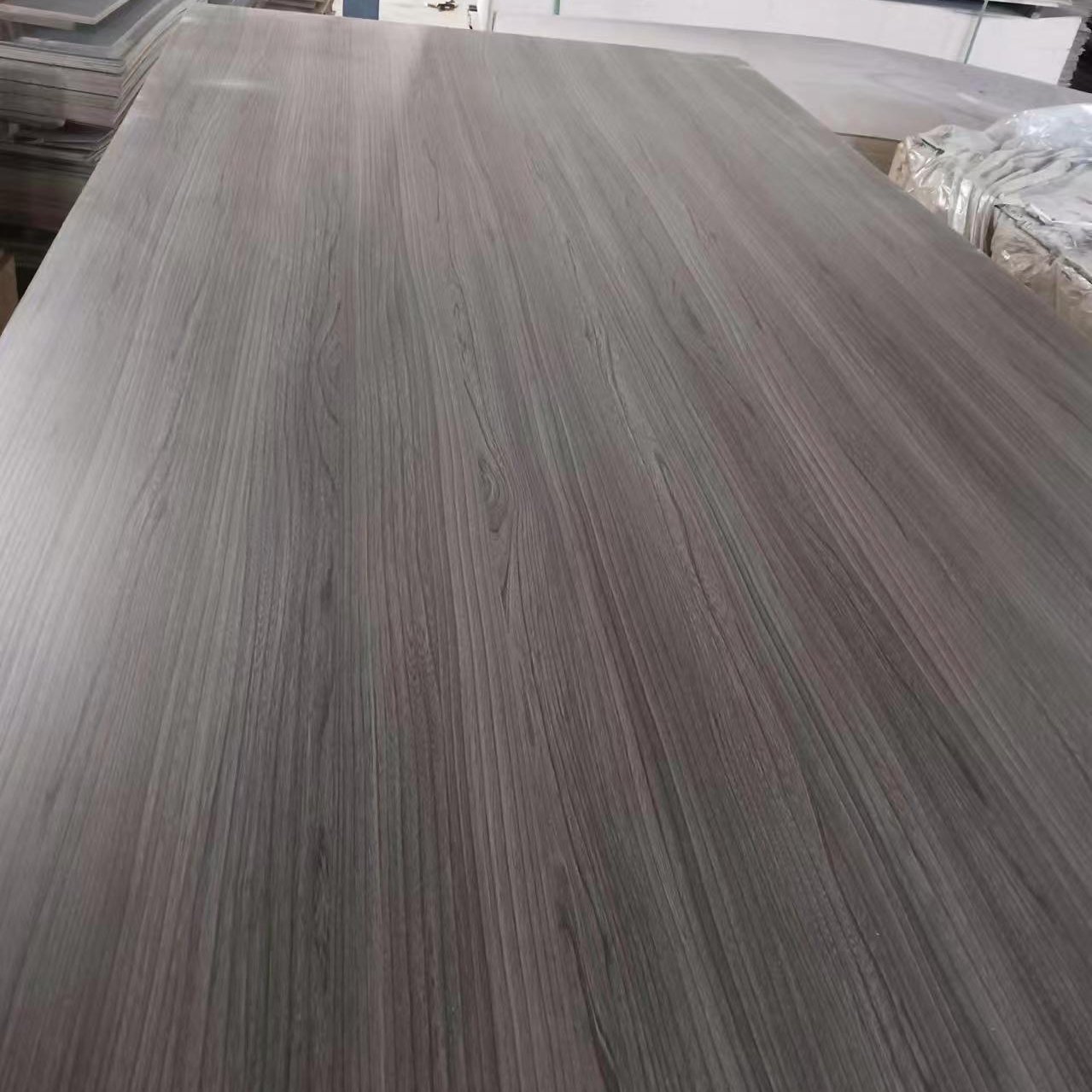
Plywood vs plyboard trips up buyers because the two names sound interchangeable and some suppliers use them with no fixed standard behind the label. Plywood names an engineered panel of glued veneer layers, while plyboard often describes a cheaper wood-based board in markets that keep a looser trade vocabulary. This guide separates the terms, compares the core, glue, strength, weight, and price, and shows how to write an order that arrives as the panel you actually intended.
Plywood is an engineered wood panel built from an odd number of thin veneer sheets, called plies, bonded with glue so the grain of each layer runs at a right angle to the one below. That cross-lamination gives the sheet its stable, strong character.
The alternating grain carries load in two directions. A bending force travels along continuous wood fibers from face to back, and the crossed layers pull against each other, so the panel resists the warping that solid timber shows as it gains or loses moisture.
Plyboard is a looser trade word, and that looseness causes most of the confusion. In some markets it points to a veneered panel close to plywood, and in others it names a particle or fiber board with a printed or thin-veneer face. No single standard locks the word, so it means whatever the local supplier stocks that month.
In simple buyer terms, plyboard names a wood-based sheet where the customer wants a flat, uniform face and a low price more than the layered veneer core that defines true plywood.
A crosscut settles the question in seconds. Real plywood shows stacked and glued plies with visible grain changes, while plyboard shows a uniform particle or fiber core, often paper-faced, with no alternating veneer layers and no edge stripes.
Ask for the mill mark, the standard number, and an edge sample before you compare prices. Two sheets can share a shelf and a name while carrying very different cores underneath.
The core sets strength and moisture behavior far more than the surface finish does, so read past the face veneer to the material beneath it.
Glue class decides how the panel behaves near water. A phenolic line keeps the bond through repeated wetting, while a urea line softens once moisture reaches the core.
Plyboard boards stay flat and take paint well indoors. A leak or a long humid spell swells the core and lifts the face, and the damage rarely reverses.
The veneer count tells the plywood story. More, thinner plies build a denser, stiffer sheet, so a three-ply board bends where a thirteen-ply board holds its line under the same load.
Edges need protection on both products. Sealer or edge tape keeps moisture out of exposed edges, and it matters most on the cheaper board, where a swollen edge spreads fast.
Structural cores emphasize density over appearance. A poplar or pine core carries moderate weight at a lower price, while a birch core adds stiffness and load capacity, so the core species should follow what the location structurally demands.
Environmental requirements shape the glue choice as well. Formaldehyde classes vary by market, so a project with a strict indoor air limit may need a low-emission bond, and the quote should state the emission class beside the water resistance.
Load paths explain the strength gap. Glued veneer plies carry a bending load through continuous fibers, while a particle or fiber core works with shorter strands and lower edge integrity.
| Feature | Plywood | Plyboard |
|---|---|---|
| Core | Cross-laminated veneer | Particle or fiber mat |
| Strength | Structural ratings available | Decorative, light duty |
| Moisture | Exterior grades for wet sites | Interior use, swells near water |
| Weight | Species dependent | Density dependent |
| Cost per sheet | Higher | Lower |
| Typical use | Floors, walls, roofs, forms | Cabinets, furniture, packing |
Weight follows species and density, not the label. A hardwood plywood sheet and a dense fiber plyboard can land close on the scale, so freight planning should weigh the real panel instead of trusting the name.
Price favors plyboard for interior work. Lower raw material cost and faster pressing cut the sheet price, and a cabinet back or a packing crate rarely needs the layered strength that plywood offers.
Fasteners tell another story. Plywood holds a screw along its plies and resists pull-through, while a particle core crumbles at the fixing and needs pilot holes and the right insert to hold.
Surface quality finishes the comparison. Plywood takes a smooth veneer and an even grain, while plyboard accepts a printed or paper face that suits paint, film, and laminate without any layered pattern showing through.
Match the panel to the load and the moisture line rather than to the price tag alone, and the decision usually makes itself.
Plywood earns its place in these locations:
Plyboard suits these lighter jobs:
A single project can use both panels. Structural locations take plywood, and fitted interior furniture takes plyboard, so the takeoff separates the two lines before the order leaves the office.
Cost planning runs cleaner when each board carries its own line item, because a swapped name on one line hides a real strength difference that surfaces later on site.
Weight planning changes with the panel choice. A switch from plywood to plyboard on a large furniture run drops the total mass, and that drop cuts freight and handling on the same order, so the cost comparison should include the delivered weight, not just the sheet price.
Long-term moisture exposure settles the choice before the price does. A panel that sits in an unheated warehouse or a humid coastal site needs a rated bond, and that line of reasoning pushes the order toward plywood regardless of the price advantage.
Write the standard, the thickness, the glue class, and the face grade on the order, since a line that names only the trade word leaves the mill to guess your intent.
For structural and general panel work, specifiers often call for our Commercial Plywood, which covers sheathing, packaging, and general joinery in one grade family.
Concrete formwork takes a filmed panel instead. Film Faced Plywood carries the release face and the bond that repeat pours demand, and it survives a stripping cycle that a plain board cannot.
Interior cabinet work often suits a substitute board. MDF Board and Chip Board give the flat, paintable face that plyboard buyers want, and each fits fitted-furniture work at a lower price.
The purchasing team at HYY checks the mill mark, the glue class, and the edge sample on every bundle, so the panel that ships matches the panel on the drawing.
Ask for a material certificate with the delivery. The certificate ties the bundle to the standard, the glue, and the bond class, and it settles a dispute before the sheet reaches the saw.
Delivery checks protect the order. Unstrap a bundle, crosscut a corner, and inspect the core, the glue line, and the face before the truck leaves, and a wrong panel returns to the mill instead of spreading across the site.
A written substitution rule closes the last gap. When a supplier proposes a swap, the buyer approves it against the load and the moisture the location sees, then records the change on the order so the revised panel matches the approved drawing.
These answers clear up the naming questions a supplier hears every week and keep the wrong board off a structural job.
Yes, for load-bearing work. The crossed veneer plies carry a bending load that a particle or fiber core cannot match, so structural locations should take plywood every time.
Rarely. A subfloor meets moisture and carries foot traffic, and most plyboard swells and crumbles under that load, so builders pick a rated plywood deck instead.
Trade vocabulary varies by region. A supplier may use the looser word for any flat wood panel, so confirm the core, the standard, and the edge sample before you buy.
Usually yes. Cheaper raw material and faster pressing cut the price, and that lower cost fits cabinets and packing, where a layered core adds little value.