Our Location
5th Floor, Huake Center, Lanshan District, Linyi City, Shandong Province, China

5th Floor, Huake Center, Lanshan District, Linyi City, Shandong Province, China
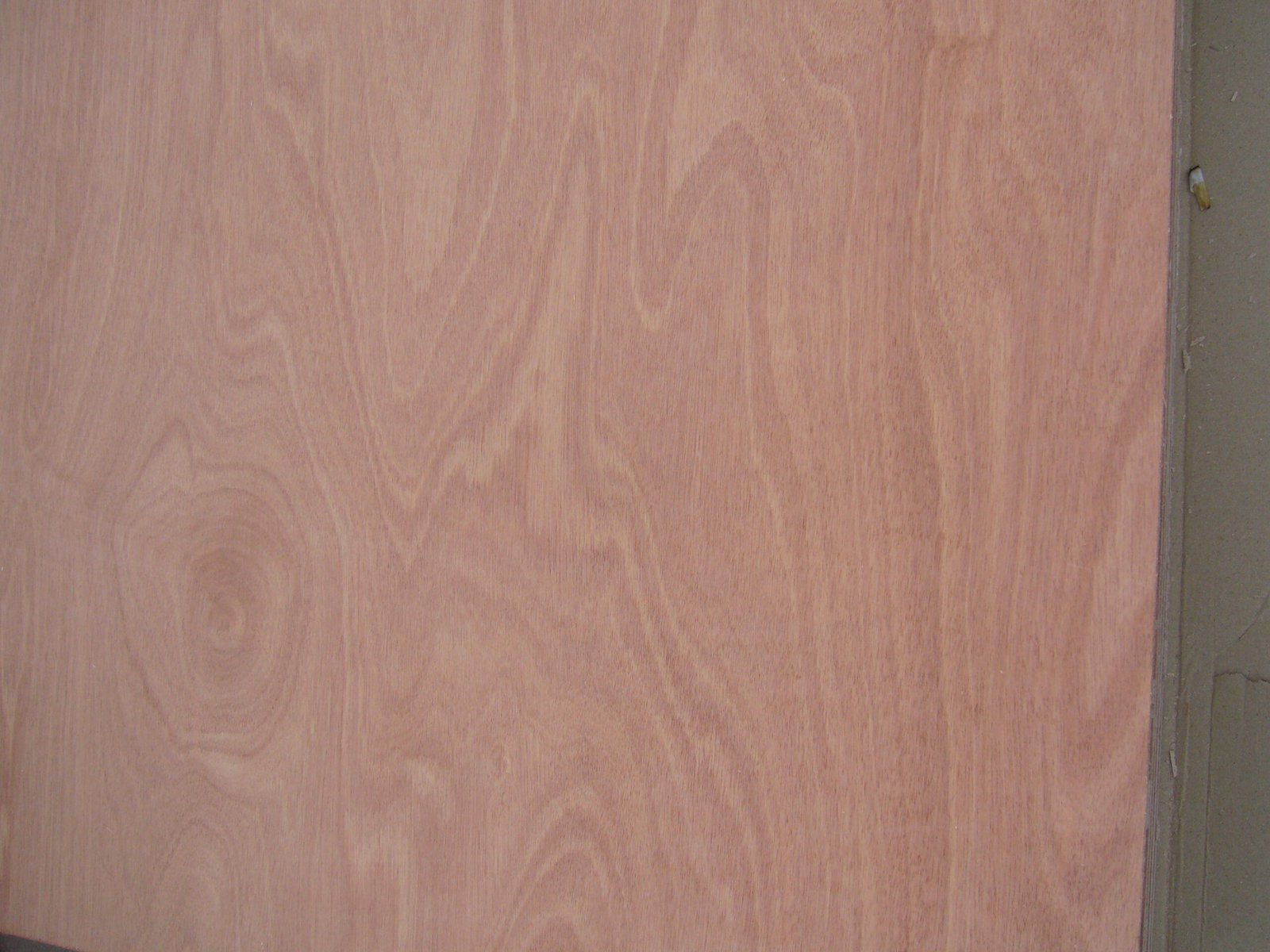
WBP plywood names the glue before it names the panel: weather and boil proof describes a waterproof bond that survives wet cycling, and it sets the panel apart from interior boards on the same bench. Buyers see WBP on sheathing, subfloors, and packing and shop for the glue class behind the letters. This guide explains the bond, where it holds, and where it runs out of warranty.
Definition: WBP stands for weather and boil proof, and it describes a panel glued with a waterproof synthetic adhesive, usually phenolic or melamine based, that holds the plies through wet cycling and the standard boil test.
The letters answer the glue question, not the whole panel. A WBP sheet resists moisture at the bond line, yet the face and the cut edges still absorb water, swell, and need sealing, so the label names the adhesive while the veneer and the edge still carry their own moisture story.
The letters also mark the panel’s price point. A WBP sheet prices between an MR interior board and a marine panel, and the gap comes from the glue and the testing rather than from the veneer, so the buyer who understands the bond reads the quote honestly.
Market names glide over the same bond. Exterior and WBP describe overlapping wet-service panels, and the plate rather than the letters settles which standard ran the test, so the comparison stays on the glue class and the stamped rating.
The edge of the label holds the fine print. WBP names the bond, not the timber treatment, so a sheet that stays wet for weeks still needs its edge sealed, and a panel in ground contact needs treated stock on top of the waterproof glue.
The bond and the face do different jobs. The glue line keeps the plies together through rain, and the face treatment keeps the surface from wicking, so a WBP sheet with a sealed or filmed face covers wet service from both directions.
A filmed face and a WBP bond cover the sheet in two directions at once. The glue holds the plies and the film sheds the surface, so wet-site specifications pair the two lines rather than arguing one overburdened name.
The name also sells a proof, not just a glue. A WBP plate without the test record is a claim, while a plate with the test date and the batch line is a reference the buyer can check, so the paperwork lines up with the letters on the panel.
WBP glue survives the boil test in the factory standard. A sample edge boils in water and dries without delaminating, and the passing result appears on the delivery plate, so the buyer reads the tested bond rather than the marketing sticker.
The test is the shortest proof of the promise. A sample edge that survives the boil and dries without opening carries the faith of the whole sheet, and the plate that records the pass is the buyer’s fastest check at the receiving dock.
The warranty reads through the same record. Mills that run the boil test and keep the batch numbers issue claims on the bond, while label-only panels leave the buyer arguing a promise, so the purchase keeps a copy of the tested certificate.
WBP parallel for sites where rain arrives before the cladding does. Roof sheathing, subfloors, hoarding, and packing all run on a water-tolerated bond, and the sheet earns its place whenever the building stays open through a season of weather.
WBP stops short of two promises. It is not marine grade, which adds a stricter veneer discipline for boats and long immersion, and it does not make the timber rot-proof, so ground contact and permanent soaks still call for treated stock.
The open phase of the build is a WBP season. Sheathing rides through the framing weeks, a subfloor waits for the weather wall, and a temporary hoarding covers a season of rain, so the bond earns its keep wherever the building stays open.
Packing and transport run on the same glue. Crates and timber frames that cross the ocean in containers meet condensation and salt air, and a WBP line keeps the structural packing honest for the whole trip, then returns as firewood or scrap.
The bond letters sort a market full of similar-sounding plates. MR resists moisture briefly and suits dry interiors, exterior matches WBP for weather service in most sheet markets, and marine adds the strictest veneer and the highest price, so the comparison starts at the glue line.
| Panel | Bond | Best fit |
|---|---|---|
| MR | Moisture resistant | Dry interior rooms |
| WBP / exterior | Waterproof, wet cycling | Sheathing, subfloors, wet sites |
| Marine | Waterproof, strict veneer | Boats, docks, long exposure |
The same panel family carries both names in different markets. A sheet sold as WBP in one region ships as exterior in another, and the stamp on the edge settles the meeting, so buyers compare glue class and test, not the letters on the label.
The table lines also sort the price ladder. MR sits at the bottom, WBP and exterior share the middle in most markets, and marine tops the list, so a spec that jumps from MR to marine without a wet reason spends money on capability it never meets.
Regional labels blur the middle line. What one market stamps as exterior another stamps WBP, so a buyer who quotes both names on the same drawing may receive the same panel under two letters, and the stamp check reconciles the two deliveries.
WBP performs best when the edge does its share. The glue holds the plies, and the cutoff edge carries the open veneer that wicks fastest, so the panel that logs a full season of rain stays flatter when the crew seals each cut within the hour.
Storage closes the moisture loop. Panels stacked flat, off the ground, and under cover arrive dry and stay dry, and a WBP bundle that landed on wet soil wicks from the bottom edge before the truss layout even begins.
The drying half of the story belongs to the site. A WBP sheet that dries flat after a storm keeps its rating, and the same sheet that stays trapped under a tarp in the humid season loses its edge, so the stack position matters as much as the bond.
The face and edge checks steer the salvage. A film face that keeps its seal and an edge that seals clean keep the panel in service, while a checked face and an open edge move the sheet to a covered role, so the inspection ranks the salvage one panel at a time.
The label and the plate answer the WBP question together. Ask the supplier to confirm the glue class, the boil test result, and the bond on the stamp, and price the delivery on a tested sheet rather than on a name printed in marketing colours.
Most structural wet service ships as Commercial Plywood with an exterior bond, and heavier wet or pour duty moves to Film Faced Plywood, whose sealed face and waterproof bond cover the harshest edge of the weather story. Review the WBP-class panels at HYY before the storm season closes the order window.
A written line on the order closes the label argument. Name the glue class, the standard, and the intended exposure, and the mill quotes the panel, the buyer gets a tested delivery, and the site reads a plate that matches the drawing.
The delivery check repeats the order line. The stamp, the rating, and the edge seal all show on the bundle, and the sampler who reads one sheet and the label on the pallet closes the loop the same afternoon the truck arrives.
These answers settle the WBP questions that turn up on a supplier quote.
The glue line is waterproof, so the bond survives wet cycling, but the bare face and the cut edges still take up water. Sealed faces and treated edges complete the wet story.
Both use a waterproof bond. Marine adds a stricter veneer discipline, tighter core limits, and a declared structural rating for boats and prolonged exposure, so it prices higher.
Yes for structural parts with sealed edges and faces. For surfaces that stay constantly wet, a film face or a treated panel lasts longer than bare WBP veneer.
Read the stamp and the test plate. The glue class, the boil test result, and the standard name on the label separate a true WBP sheet from a sticker on a cheaper interior board.