Our Location
5th Floor, Huake Center, Lanshan District, Linyi City, Shandong Province, China

5th Floor, Huake Center, Lanshan District, Linyi City, Shandong Province, China
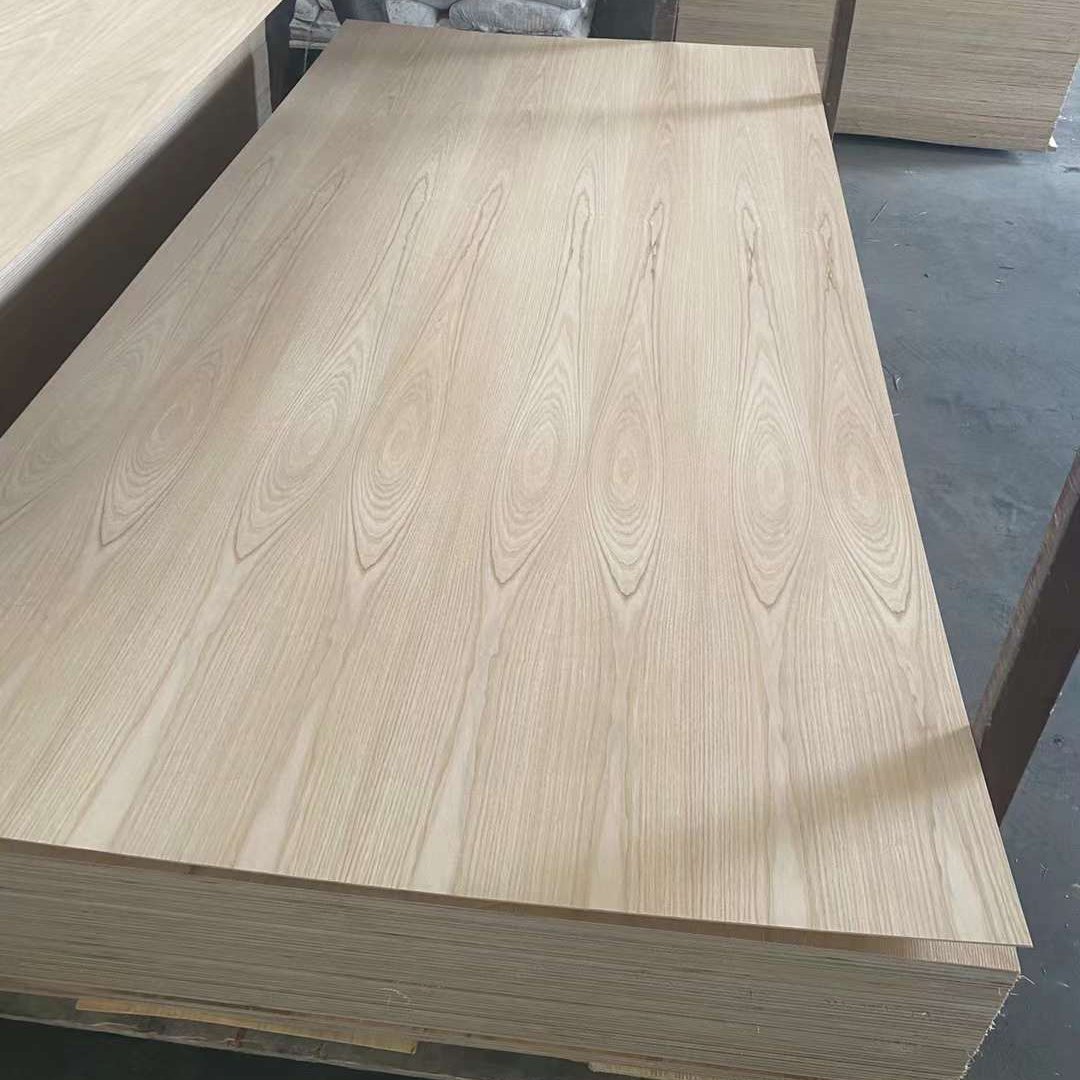
Construction ply density tells a buyer how much mass sits in a sheet of a given thickness, and that single figure drives weight, stiffness, screw holding, and freight cost. Density changes with the species, the veneer count, and the glue line, so two panels of the same thickness can ship at very different weights. This guide explains what construction ply density measures, how the mill controls it, and how to use the figure when you compare quotes, plan a rack, or load a container.
Density measures mass per unit volume, and the panel trade quotes it in kilograms per cubic metre or in pounds per cubic foot. A sheet of known thickness and area converts that figure into a total weight in one step.
Construction ply density sits above the solid-wood figure for the same species in some cases, because the glue lines add mass and the press compacts the plies. The increase is small, yet it matters in a container that shoulders against a weight limit.
Thickness and area set the volume, so a thicker sheet carries more mass at the same density. A buyer who compares two quotes should lock thickness and sheet size before comparing density, or the numbers mislead.
In practical terms, construction ply density answers three buying questions: how much the sheet weighs, how stiff it feels, and how much freight it costs to move.
Density also enters the stiffness comparison between panels. A dense sheet resists deflection better at the same span, so an engineer who sizes a floor or a shelf often starts from the density line rather than from the thickness alone.
Handling costs follow the same figure. A heavy sheet tires a crew by the end of a lift, and a light sheet moves faster, so the site plan balances the structural benefit against the labor each panel draws.
The species sets the base density, and the veneer count and glue line fine-tune it. A hardwood core reads denser than a softwood core, and both change with the growth conditions of the source forest.
| Core species | Typical density | Weight character |
|---|---|---|
| Poplar | Low | Light, easy to handle |
| Pine or fir | Medium | Balanced, common in sheathing |
| Birch | High | Dense, strong faces |
| Mixed hardwood | High | Heavy, premium panels |
Veneer count moves the number a little. A dense lay-up with more, thinner plies packs extra glue lines per millimetre, and every glue line adds a small amount of mass to the final sheet.
Glue and overlay choices add their own weight. A thick phenolic film or a paper overlay puts mass on both faces, and a filmed panel weighs more than a bare sheet of the same core.
Density varies within one species too. Slow-grown timber packs tighter fibers than fast-grown stock, so a mill that sources from several forests can ship sheets that differ by a few percent on the same order.
Before comparing species figures, check the moisture content on the certificate, because a wet sheet weighs more than the same sheet dry. A two-species comparison made at different moisture levels misleads more than it helps.
Face finish adds a note to the density story. A smooth, tight face spreads a load and takes a clean fastener seat, while a patchy face weakens the local grip, so the face grade belongs in the same reading as the density number.
Buyers often treat density as a proxy for strength, and the link holds up to a point. A denser core usually carries a higher modulus, so the panel bends less under the same load and span.
Stiffness and density travel together because both track the fiber content per unit volume. A denser sheet resists deflection better, so an engineer who chooses by density often chooses stiffness at the same time.
Fastener performance follows the same line. A dense core grips a screw with more fiber to bite into, while a light core needs the same fixing at a tighter spacing or with a larger insert.
The link has limits. Density says nothing about the glue class, so a dense interior board still fails in a wet location, and a lighter exterior board still keeps its bond through wet cycling.
Buyers should read density beside the glue class and the grade, never on its own. Those three values, joined, describe how the panel behaves in service.
Density also guides the fastener schedule. A dense panel grips a screw near its head, while a light core needs pilot holes and a longer thread, so the fixing plan and the density figure belong on the same drawing.
Surface indentation follows the same law. A dense face resists a wheel load and a dropped fixture, while a soft face dents and holds the mark, so a shop that expects traffic should order a denser face grade.
The mill measures density by weighing a sample of known volume and dividing mass by volume. The result goes on the test certificate with the moisture content at the time of the test.
Moisture shifts the reading. A damp sheet weighs more than the same sheet after a dry spell, so the certificate records the moisture level that goes with the density figure, and the buyer compares like with like.
Standards allow a tolerance band, usually a few percent around the nominal figure. Two bundles from the same line can sit at opposite ends of that band and still pass, so the buyer who needs tight weight control should ask for the measured value.
A simple field check works on site. Weigh one sheet, measure its thickness and area, and compute the density; a number far from the certificate points to a substitute core or a thinner veneer stack.
Documentation keeps the comparison honest. A certificate that lists density, moisture, glue class, and test date lets two quotes sit side by side, and a mill that publishes the figures often stands behind them better than one that refuses.
Sampling rules protect the reading as well. A mill pulls the sample from the running line rather than the finished stack, so the figure represents the whole batch instead of one lucky bundle.
Tolerance checks continue at the site. A buyer who measures a few sheets from different bundles can confirm the batch holds the band, and that quick check protects a container that already sails.
Density turns into money at the truck and the rack. Freight rates and container limits move with weight, so a dense panel that fills a container by volume may still hit the weight ceiling first.
Keep these buying habits in view:
General sheathing and joinery usually run on a medium-density core, and buyers source those sheets as Commercial Plywood.
Film-faced formwork takes a denser, resin-rich face, and buyers order it as Film Faced Plywood to hold the release layer through many pours.
For interior furniture, a fiber board such as MDF Board offers a uniform, high-density panel that machines and paints cleanly, and it competes on a different density scale than veneer plywood.
The team at HYY quotes density beside the glue class and the grade, so the weight and the wet performance arrive on the same sheet of paper.
A clear density line also prevents a delivery surprise. When the order names a target density with a tolerance, the mill matches the bundle, and the buyer verifies one sheet on arrival instead of discovering the mismatch inside the container.
Rack layout also runs on the same numbers. A rack that fills by volume on a light panel and by weight on a dense one needs both figures, so the planner who reads the density line avoids a bay that cannot hold the bundle.
These answers handle the density questions that come up when a buyer compares quotes from two mills.
Mostly, for stiffness and screw holding. Density tracks fiber content, so a denser core resists deflection better, yet it says nothing about the glue class or the wet service life.
The species and the veneer count differ. A hardwood core and a dense lay-up weigh more than a softwood core at the same thickness, so the certificate carries the real number.
Enough to matter at the scale of a pallet. A damp sheet weighs more than a dry one, so the test records moisture beside density, and the buyer compares figures at the same moisture level.
Yes. Weigh one sheet, measure its volume, and divide. A result that sits far from the certificate points to a lighter core or a thinner veneer stack that deserves a closer look.