Our Location
5th Floor, Huake Center, Lanshan District, Linyi City, Shandong Province, China

5th Floor, Huake Center, Lanshan District, Linyi City, Shandong Province, China
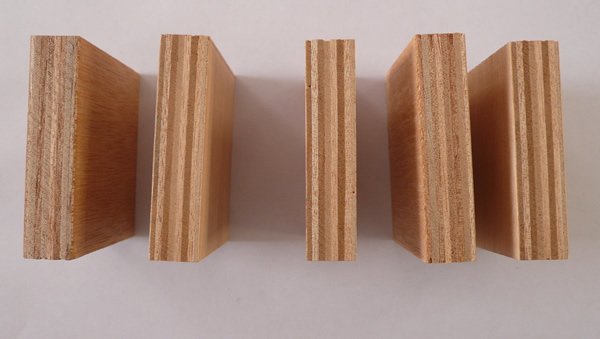
A plywood lifting tool turns the awkward sheet carry into a controlled roll on one wheel, and the change shows up in every cut list on the site. Full panels are heavy, wide, and awkward, and a crew that moves them by hand spends strength that the build needs elsewhere. This guide covers the lifter types, the grip and load limits, the safe handling on site, and the buying details that keep sheet stock moving without the strain.
The tool takes the weight off the arms. A lifter rolls under one edge, lifts the sheet, and carries the panel balanced over a wheel, so one person moves what took two.
Definition: a plywood lifting tool is a wheeled carrier that grips the edge of a full sheet, lifts one end clear, and rolls the panel through a doorway or across a floor on a balanced axis.
The tool saves the back. A sheet that rides at hip height on a wheel takes the twist out of a carry, and the crew that uses one reports fewer strained shoulders at the end of the week.
Doorways stop being a fight. The wheel runs the sheet straight through a frame where two hands grapple with the width, so the delivery reaches the saw with the panel intact.
The balance point does the work. A well-set lifter holds the sheet level at its center of gravity, and the operator guides rather than lifts, so the carry stays steady across the shop floor.
The delivery from the yard often arrives on a pallet, and the first lift moves the stack from the truck to the rack where the crew works. A lifter that runs the sheet on its wheel turns that trip into a one-person job.
Short runs around the saw also benefit. A panel that moves from the rack to the bench on a wheel keeps the operator upright, and the bench takes a sheet that arrives without a bruised corner.
The lifter family splits by the way it grips and rolls. A panel dolly, an edge carrier, and a vacuum lifter each solve a different move, and the stock size decides which one earns the space.
| Lifter type | Grip | Best move |
|---|---|---|
| Panel dolly | Clamp on the edge | Floor to rack |
| Vacuum lifter | Suction on the face | Overhead and machine feed |
| Hand-truck style | Platform under the sheet | Doorway and stair |
| Two-person carrier | Handles at each end | Long or heavy loads |
A dolly suits the yard. The clamp bites the edge, the wheel carries the weight, and the operator walks the panel from the stack to the saw with one hand on the frame.
Vacuum lifters feed machines. The suction head takes the sheet from a stack and places it on a saw table, and a workshop that runs a CNC gains time on every cycle.
The hand-truck style handles steps. A platform and a pair of wheels take the sheet up a threshold or down a kerb, where a flat dolly stops at the edge.
Battery vacuum heads lift overhead. A powered head picks a panel and swings it onto a rack, and the operator controls the placement from a handle rather than a grip.
Vacuum heads need a flat face. A coated or smooth panel holds the suction, and a rough or slatted surface leaks air, so the head suits the sheet grade the shop runs.
Capacity ratings count the wheel as well. A lifter rated for a heavy sheet carries a stronger axle and a wider tire, and the crew that reads the plate avoids a collapse mid-run. A spare jaw keeps the tool working through a shift.
The load limit is a safety line. Every lifter states a capacity, and a sheet at the edge of that limit loosens the clamp and slips, so the rating stays below the loaded weight.
Grip pressure protects the face. A clamp that bites too hard dents a soft veneer, and a padded jaw holds the panel without a mark, so the jaw suits the sheet grade.
Definition: the balance point of a sheet sits at its center of gravity, and a lifter that grips at that point rolls the panel level, while a grip off-center tilts the load toward the operator.
Leverage sets the lift. A long handle gives the operator a mechanical advantage at the wheel, and a short handle asks for more force at the same sheet weight.
Tire and wheel size follow the floor. A wide tire rolls over a threshold and a debris-strewn site, and a hard wheel runs smooth on a polished shop floor without a mark.
The grip should match the panel face. A padded jaw holds a film face without a mark, and a rough utility sheet takes a firmer tooth without a complaint. A load that sits level at the balance point rolls straight, and one gripped off-centre pulls toward the operator’s legs.
The carry starts at the stack. The operator sets the lifter at the sheet edge, engages the grip, and tips the wheel back so the panel rises clear of the pile.
The path comes before the move. A clear run to the saw keeps the sheet away from a swinging door, a cable, or a corner where the panel could catch and slip.
Two hands guide the load. One hand holds the handle and the other steadies the top edge, and the operator walks at a pace that keeps the wheel in front of the body.
Doors get a call ahead. A partner takes the handle on the far side, opens the frame, and keeps the swing clear, so the sheet passes without a scrape on the face.
The set-down matters as much as the lift. A panel that lands on a bearer stays flat and clean, and one that hits the floor picks up a chip at the corner.
The rack height decides the first lift. A shelf at hip level lets the operator roll the sheet on without a dead lift, and a floor-level stack asks for a tipped start every time.
A marked lane keeps the run clear. Tape on the floor shows the path to the saw, and the panel travels a line that no trolley or cable crosses.
The sheet size sets the choice. A full 4 by 8 panel wants a wide track and a rated wheel, and a smaller stock panel runs on a compact dolly without the bulk.
The floor decides the wheel. A yard with grit and thresholds takes a pneumatic tire, and a finished shop floor suits a hard, non-marking wheel that keeps the polish.
The clamp should suit the panel. A padded jaw protects a film face, and a toothed jaw grips a rough utility sheet, so the jaw follows the stock the crew moves.
Weight of the tool counts. A lifter that stays on the rack gets used, and a heavy frame that leans in a corner means the crew goes back to carrying by hand.
The right sheet moves with the tool. Buyers who order full panels alongside the handling gear take the stock as Commercial Plywood, and heavy form panels travel the same way as Film Faced Plywood.
The technical desk at HYY pairs the sheet sizes on the order with the handling gear the site runs, so the delivery arrives ready to move off the truck.
A trial carry settles the buy. Load a real sheet, roll it through the actual doorway, and the grip, the balance, and the wheel answer the question before the invoice.
Service keeps the tool honest. A drop of oil on the axle, a check on the jaw spring, and a look at the tire each week catch the fault before a loaded sheet does.
The right lifter pays for itself in a season. Fewer strained carries, fewer bruised corners, and one-person runs add up against the price of the tool and the repairs the sheet avoids.
These answers cover the handling questions that come up before a crew buys a lifter.
Each tool states a rated capacity, and the loaded sheet should sit under that limit. A panel at the edge of the rating slips, so the crew checks the number before the load.
A padded jaw holds a sheet without a mark. A hard or toothed jaw suits a rough panel, so the jaw matches the face grade and the clamp pressure stays moderate.
Yes, at the balance point. The wheel carries the weight, the operator guides the panel, and a clear path lets one person make the run that used to need two.
A wide, soft tire rolls over grit and thresholds, and a hard wheel runs clean on a finished floor. The yard decides which tire the lifter should carry.