Our Location
5th Floor, Huake Center, Lanshan District, Linyi City, Shandong Province, China

5th Floor, Huake Center, Lanshan District, Linyi City, Shandong Province, China
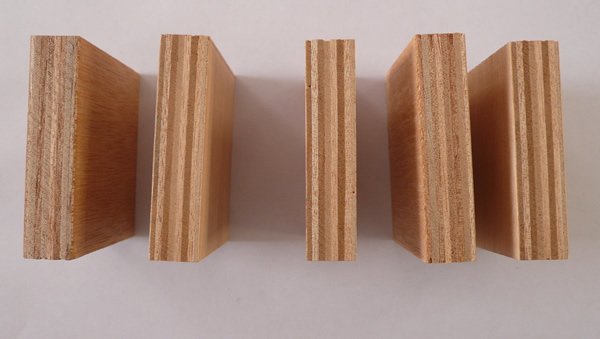
Plywood work price covers the labour, the cutting, and the waste behind a finished job, and the sheet cost is often the smallest part of the number. A buyer who compares only the panel rate misses the cutting complexity, the setup, and the finish that carry the real cost. This guide breaks down what a plywood work price includes, the factors that move it, the way a quote reads line by line, and the decisions that hold the total down without cutting the quality.
The price bundles more than the sheet. Cutting, edging, drilling, assembly, finishing, and the waste from each step sit inside the number, and every line follows the design.
Definition: plywood work price is the total charge for turning sheet stock into finished parts or a finished job, and it joins the material, the labour, the machine time, and the waste into one figure.
Labour drives the total. A simple straight cut takes minutes, and a batch of shaped parts with edges and joints takes hours, so the design sets the work long before the saw starts.
Machine time bills like labour. A CNC cycle, a press run, or an edge bander pass adds its own rate, and a shop that runs the machine less often charges more for the setup.
Waste sits inside the quote. Offcuts that no part uses still came off the purchased sheet, and a design that nests parts closely reduces the waste that the buyer pays for.
A finished job also includes the fitting. A panel that arrives cut, edged, and drilled can go straight into the assembly, and the labour that would have happened on site sits inside the quoted price.
Delivery lines follow the distance. A local drop costs little, and a crate that travels across the city carries a freight line that changes the total between two otherwise equal quotes. The quote date matters as well; timber markets move weekly and a stale number rarely survives the order.
Rates follow the skill. A general carpenter rate covers basic cutting, and a joinery or CNC rate covers the detail work, so the task picks the rate card the quote uses.
Setup costs the first part the most. A file, a jig, or a template loads once and runs many times, so a one-off part carries the whole setup while a batch spreads it.
| Work type | Rate driver | Cost effect |
|---|---|---|
| Straight cuts | Minutes per part | Low |
| Shaped or CNC parts | Machine and file time | Medium |
| Edges, bands, and drillings | Steps per part | Medium |
| Assembly and finish | Hands and coats | High |
| One-off prototype | Full setup alone | Highest per part |
Repeats lower the unit. The same drawing cut twenty times shares the setup, and the price per part drops as the batch grows, so the quantity belongs in the quote request.
Definition: cut complexity is the number of steps, the shape difficulty, and the finish each part needs, and that figure sets the labour minutes that fill the plywood work price.
Rework adds a second pass. A drawing that changes after the cut sends the part back through the machine, and the second cycle bills like a new run.
Hourly work suits a changing brief. A repair, a one-off, or a site alteration bills by the hour, and a fixed drawing suits a fixed price, so the task picks the model.
A day rate covers the setup and the run. The shop loads the machine, cuts the batch, and cleans down within the day, and a small job that fits one day avoids a second call-out. Overtime and weekend slots price above the standard rate card.
The sheet grade sets the material line. A sanded cabinet panel costs more than a utility sheet, and the grade should match the visible work rather than carry a premium everywhere.
Nesting decides the waste. Parts laid close on the sheet leave small offcuts, and a loose layout buys more sheet than the job needs, so the layout sits inside the price.
The offcut pile has value. A shop that returns usable offcuts to stock lowers the material figure, and a buyer who accepts the offcuts as theirs pays for the full sheet.
Moisture grade adds cost where it counts. A wet room or an exterior line takes an exterior bond, and the premium buys the life the location needs rather than a blanket upgrade.
Packing and protection protect the parts. Wrap, edge, and crate lines keep a finished batch clean in transit, and a job that ships loose often returns as a repair bill.
The drawing revision sits with the price. A change after the nesting invalidates the layout, and the new cut list bills like a first run, so the brief should freeze before the quote.
A waste allowance written into the quote protects both sides; the shop does not absorb an overrun, and the buyer sees the buffer before the invoice.
A clear drawing levels the bids. Two shops that quote the same file, the same grade, and the same quantity produce numbers the buyer can set side by side.
The quote should name each line. Material, labour, machine time, finish, waste, and freight each appear, and a lump sum hides the saving a change could bring.
Lead time sits in the price. A rush run uses overtime or a reserved machine slot, and a flexible schedule lets the shop fit the job into a quieter week.
The cheapest bid can cost more. A low number that skips the edge seal or the finish grade returns as a repair, so the comparison follows the specification rather than the total.
Standing orders reward the relationship. A shop that quotes every month learns the drawing, and the repeat number falls as the setup disappears from the later runs.
Local stock shortens the lead. A buyer who takes the sheet from a nearby yard cuts the freight and the wait, and the cut starts the day the order lands. The schedule then belongs to the project rather than the queue.
Design changes save most. A part that drops a step, a joint that simplifies, and a layout that nests tight each cut labour and waste before any negotiation starts.
Batch the repeat work. One order that covers the run shares the setup across every part, and a split order pays the setup twice for the same drawing.
Specify the finish once. A coat decided at the quote stage avoids a later touch-up, and a sealed edge ordered with the cut costs less than a repair on site.
The sheet order follows the cut list. A buyer who orders the grade and the size the drawing names avoids a second delivery, and both lines can ship together as Commercial Plywood or a coated sheet of Melamine Plywood.
The technical desk at HYY quotes the material against the cut list, so the plywood work price arrives with the labour and the sheet on separate, readable lines.
A measured first run settles the rest. One batch proves the hours and the waste against the quote, and the repeat order follows a number the buyer has already tested.
The invoice should match the quote. Material, labour, and finish each line up with the agreed figures, and a variance that appears without a note invites a query before payment.
A measured batch proves the estimate. The hours and the waste from the first run test the quote, and the next order follows a number the shop and the buyer have both seen work. That record then anchors the negotiation on evidence rather than habit.
These answers cover the pricing questions that buyers raise before they send a job for quoting.
By material, labour, machine time, and waste. The drawing and the quantity set those lines, and a clear quote shows each one so the buyer can see where the money goes.
The setup bills on one part. A file, a jig, or a template loads once, and a batch spreads that cost, so the unit price falls as the quantity climbs.
Simplify the design, batch the repeats, and fix the finish at the quote. Each change cuts labour or waste, and the saving shows before any discount talk.
The grade mostly moves the material line, yet a premium face adds care at every step. Handling, edging, and finishing a fine sheet take more time than a utility panel.