Our Location
5th Floor, Huake Center, Lanshan District, Linyi City, Shandong Province, China

5th Floor, Huake Center, Lanshan District, Linyi City, Shandong Province, China
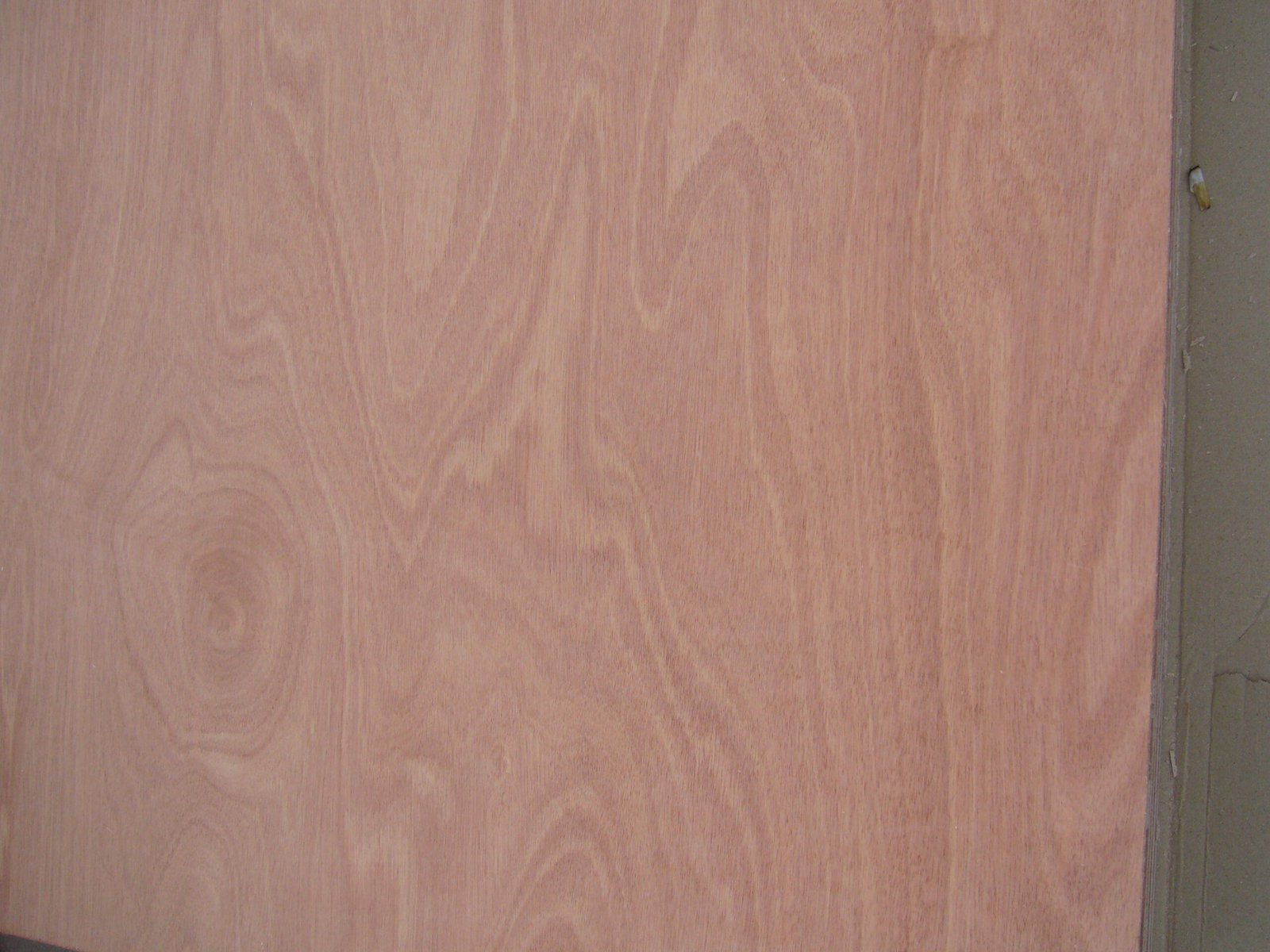
Construction adhesive plywood work is a quiet upgrade to any framed deck, because the glue that bonds a subfloor sheet to its joists prevents the squeaks and the flex a nailed-only deck shows. The adhesive spreads the load across the framing, and it lets the sheet and the joist work as one unit instead of two loose pieces. This guide explains how construction adhesive changes a plywood floor, which adhesive type fits which job, and how to apply it so the bond actually holds the deck together.
A nailed-only subfloor carries the deck through the fasteners alone. The sheet and the joist move at their own pace, and that relative movement causes the squeak that shows up underfoot.
Construction adhesive closes the gap. The glue layer sits between the sheet and the joist, spreads the load across the full bearing, and turns the assembly into a bonded unit that flexes less.
The glued deck also gains capacity. A bonded sheet shares loads across neighboring joists that a nailed-only panel brings in unevenly, so the deck takes the same traffic with less deflection.
Moisture control improves as a bonus. The adhesive bead seals the joint against air movement, and a tight joint wicks less moisture into the underside of the ply, though a real vapor barrier still earns its place.
A bonded deck also cuts the bounce at the mid-span. The sheet and the joist share the deflection, so a heel that would bounce a loose board settles into the joined assembly.
Repair layers use the same principle. A plywood sheet laid over an old floor and bonded across the joists stiffens the assembly, so the crew gains deck capacity without ripping the subfloor out.
The glue also seals the air path at the joint. A tightly bonded seam cuts the drafts and the sound that travel through a framed subfloor, so the adhesive contributes to the room comfort as well as the structure.
Adhesive chemistry divides by the job. A subfloor and a sheathing line want different bond strength, water resistance, and working time, so the selection should match the panel and the climate.
| Adhesive type | Bond character | Best fit |
|---|---|---|
| PVA wood glue | General interior bond | Shop glue-ups |
| Polyurethane | Moisture tolerant, strong | Decks, wet sites |
| Construction adhesive | Instant grab, gap filling | Subfloor to joists |
| Structural subfloor adhesive | Rated bond | Load-bearing decks |
Polyurethane cures with moisture in the air and fills small gaps, so it handles a damp site and a slightly uneven joist line. PVA glues stay simpler and cheaper but suit dry, clamped work.
A structural subfloor adhesive carries a rated bond. The rating tells the designer how the glue performs under load, and a spec that requires the adhesive brand and the rating keeps the deck honest.
Check the open time before you spread. A fast-grab adhesive welds a sheet in place within minutes, while a slow-cure line lets the crew shift the panel, and the choice follows how the crew works.
The bead diameter and the gap size follow the tube. A thin bead suits a flat joist, and a thicker bead fills a crowned one, so the crew matches the nozzle and the pressure to the framing they actually meet.
Shelf life joins the selection list. A tube that sat in a warm warehouse past its date weakens the bond, so the shop marks the batch and the date and pulls the old stock first.
Fire and code lines may check the adhesive too. A project that calls for a specific flame or smoke class should confirm the tube rating before the pour, since a fire-rated assembly depends on every layer behaving.
The bead pattern sets the bond. Apply the adhesive in a continuous bead along each joist line, keep it near the board face, and set the panel before the open time runs out.
The panel should press into the bead. Walking the sheet or a light roller squeezes the glue flat and closes the joint, so the bond works across the full bearing rather than at points.
Dry-fitted edges and cutouts want their bead too. A ring nail or a screw at the edge holds the sheet while the glue cures, and that fixing spacing follows the panel plan.
Keep the glue off the joint face. Excess bead that squirt into a butt joint leaves a gap at the seam, so the crew wipes the squeeze-out and lets the seam close clean.
Temperature controls the cure. A cold morning slows the set, and a hot summer day shortens the open time, so the crew reads the tube label and plans the pour to match the weather.
The crew should read the open time on the label and pace the pour. Spread the bead along a few joists, drop the sheet, and step it into the glue before the skin forms, and the bond closes around the full bearing.
A consistent gap matters more than a heavy bead. The adhesive works in a thin, even layer, so the crew seeks a flat joist line and a tight sheet rather than compensating with extra gobs of glue.
The adhesive shares the load, yet the fasteners still set the geometry. Nails and screws hold the sheet to the joist during the cure and lock the panel grid, so the two systems work as partners.
Fastener schedule stays in the plan. Use the spacing the panel standard calls for, at the edges and in the field, because a glue line cannot correct a sheet that skips its fasteners.
The adhesive also fills the field between fasteners. It keeps the mid-panel from drumming under a wheel or a heel, and that support is the difference between a quiet deck and a bouncy one.
The panel under the bead should carry the right face for the deck. Builders commonly lay a structural sheet, and they order the grade as Commercial Plywood for the deck, the wall, and the roof lines together.
For a deck that meets moisture, the sheet pulls exterior duty, and wet-site decks pair the bond with Film Faced Plywood or an exterior-rated board from the same line.
Interior fitted work uses the same principle on a different panel, and shops glue their veneer sheets with Melamine Plywood where the face and the cured bond both matter.
Order the adhesive to the same spec as the panel. Name the brand, the moisture class, the open time, and the rated bond, then the crew applies a product the engineer already approved.
Keep the stock simple with these lines:
Store the tubes warm and the caulk clean. A frozen or cooked adhesive loses its bond, and a dirty nozzle drags grit into the bead, so the little lessons protect the big joint.
A warranty question follows the same line. A rated adhesive plus a rated panel plus the specified fastener pattern gives the deck a paper trail, and the trail stands behind the floor for years.
The technical desk at HYY matches the panel grade and the glue class to the deck spec, so the sheet and the bead carry the same promise.
A batch record ties the adhesive to the floor. The invoice line names the brand, the rating, and the mix that went into each deck bay, so a warranty claim starts from a paper trail instead of a memory.
The crew should also plan the cleanup line. Excess adhesive that cures on a finished face becomes a sanding job nobody wants, so a damp rag and an early pass keep the deck clean while the bead still sets.
These answers cover the adhesive and deck questions that come up when a crew plans a glued plywood floor.
Yes. Fasteners hold the sheet through the cure and set the panel geometry, so the adhesive shares the load and the nails lock the grid.
Usually. A properly bonded sheet and joist move together, and the squeak that comes from relative movement disappears once the two act as one unit.
A polyurethane or a rated exterior-grade construction adhesive handles the moisture better than a PVA, and the bond should match the moisture class of the deck.
It depends on the type and the temperature. A fast-grab adhesive holds the sheet in minutes and reaches full bond over hours or a day, while a slow-cure line keeps its working time longer.