Our Location
5th Floor, Huake Center, Lanshan District, Linyi City, Shandong Province, China

5th Floor, Huake Center, Lanshan District, Linyi City, Shandong Province, China
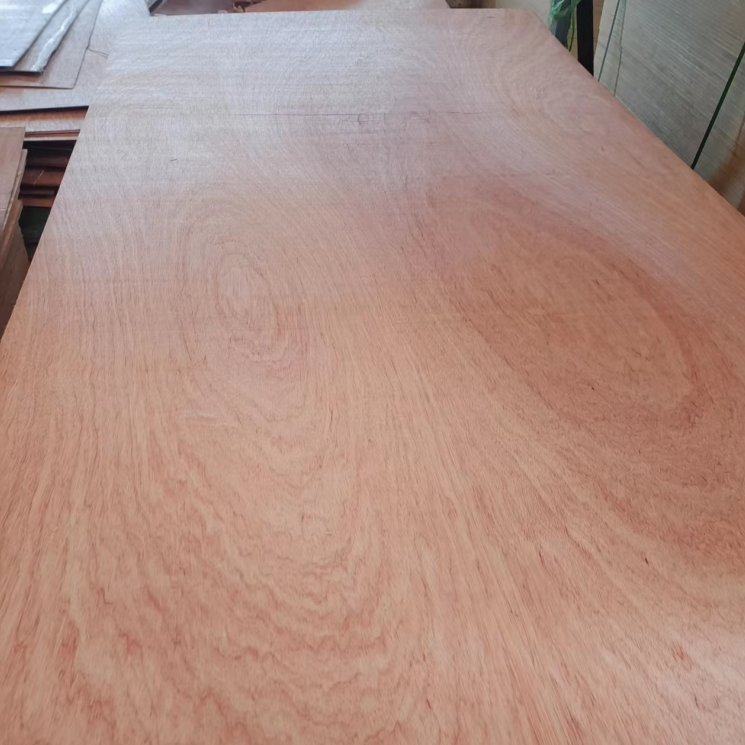
A request for construction grade ply usually means a working panel with predictable strength and a sensible price, not a premium face. Builders, packers, and contractors buy it for structure, formwork, and anything that hides on the job. This guide explains what the term actually marks, the families sold under it, and the checks that keep the delivered panel honest.
After reading, you can ask for construction grade ply with the right bond, grade pair, and thickness in one clear line.
Construction grade is a working benchmark rather than a single product, because the same letters cover sheathing, subfloor, and commercial panels at different thicknesses and exposures.
Definition: construction grade ply is the working-grade structural panel most buyers order for building work, carrying sound glue, a C to D face range, and a price below premium and marine grades.
Definition: working grade is the practical utility standard buyers use for covered structure, trading face appearance for dependable core and bond, and it differs from a decorative grade that spends money on visible veneer.
The term also travels under regional names, so the buyer who reads the delivery stamp into a grade pair and glue class compares quotes on the same panel from any mill.
Construction grade does not promise a smooth face, a sanded finish, or wet immersion tolerance. In contrast, it promises a dependable core and bond for interior and covered structure, which is exactly the combination most building jobs need.
Construction panels rarely carry two premium faces, because the back joins or hides. Naming the pair locks the cost: C-D covers most structure, and C-C or B-C appears where one face will show after paint or cladding gaps.
Corner bracing and head-sloped details show the pair logic plainly: the visible side carries the better letter where it stays exposed, and the hidden side trades finish for the structural bond the job needs. Stamps also record the group number and the span rating beside the letters, so the pair, the rating, and the exposure read off one face of the sheet.
The same pair rule carries to export sheets, where the buyer reads the two letters and the glue mark before comparing any quote.
Most construction panels arrive as C-D, C-C, or B-C with an exterior bond. First, pick the pair by the visible side, and second, confirm the bond by the exposure.
Each family name hides a slightly different spec, so the checklist converts the name back to letters before the order. A CDX sheathing, an ACX exterior, and a commercial floor panel all qualify as construction grade in different jobs.
Stamps carry the proof. The APA-style group number and the span rating on the face tell the structural story, while the leaflet names the standard for the chosen exposure.
Suppliers market construction panels under a few well-known names that map to similar specifications.
| Common name | Carries | Typical role |
|---|---|---|
| CDX sheathing | C-D faces, exterior bond | Walls and roofs |
| ACX sheathing | A-C faces, exterior bond | Visible exterior |
| Commercial ply | C-grade, solid edge | Subfloor and packing |
| Form ply | Film-faced core | Concrete formwork |
Consequently, the buyer converts the market name back to a grade pair and a bond class before comparing quotes, because the names vary by region and mill.
Think of construction grade as the panel that disappears into the build: it braces, boards, and packs, and the premium grades step in only where the sheet stays visible. That split keeps the material budget on the parts that need strength.
Reuse on site adds another saving. Good construction panels leave one job as staging and arrive at the next as packing, so documenting the bond class extends their life across multiple projects.
Construction grade also fills staging and packing roles that never appear on the drawing. The same panel that sheathes a wall becomes walk-boarding or crate stock, and its bond class decides whether it survives the weather between those jobs.
Construction grade carries the unglamorous, load-bearing half of every site.
As a result, most projects buy construction grade in volume and reserve premium panels for the few surfaces people see.
Delamination, not strength, ends most construction panels early. Water that sits in a joint separates an interior bond, while an exterior bond holds the lay-up, so the bond class selection belongs next to the weather schedule in the construction plan.
Condensation behaves like rain in reverse. Cold climates place the vapour barrier by the warm face, keeping dew off the panel back, and the panel specification that ignores that line ages the fastest.
Site storage finishes the moisture story. Panels stacked flat under cover with spacers keep their flatness and their glue line, while a leaning bundle on wet ground soaks its edge and fails at the seam before the frame is closed.
The bond class matters more than the face in construction roles. An exterior bond survives weather during the build and temporary wet exposure, while an interior bond delaminates if rain reaches it before the cladding closes.
Furthermore, storage on site decides half the story, because panels left flat in a dry shed outlast panels stacked on wet ground beside the crate.
Construction orders also record the acceptable face. A sanded face takes paint and light finishes, and an unsanded face suits covered structure, so the spec one line up saves rework one month later.
Rejections cost more than a careful intake. Measuring thickness, checking a cut edge for sound glue, and pulling one fastener test on a sample sheet catches the bad bundle at the dock, before the crew carries it up and the schedule pays the delay.
Use the same five lines on every construction order and the grade stays predictable.
Most construction orders run Commercial Plywood for structure, Chip Board for dry budget fills, MDF Board for machined panels, and film faced panels where concrete touches the face.
Measure twice on the bond class, because the stamps look alike and the behaviour differs. The leaflet, the load sheet, and one visual check of the glue line settle the delivery without a lab wait.
Two practices make construction orders predictable: quote the exposure in one word and the grade pair in two letters, and every supplier then prices the same panel for comparison.
These questions focus on the working face of the order.
Construction grade with an exterior bond tolerates weather and wet events, but standing water over time needs film faced, marine, or treated boards. The bond class, not the name, answers this question. Rain at a vent or a leaking joint becomes a delamination test within days, so job-site drying and covering matter as much as the panel grade.
Thickness follows the span. Subfloors and sheathing run 15-18 mm over standard framing, and thinner panels suit packing and backing. Read the span table for the live load. A 600 mm framed run usually reads as fine-as-plywood or not, and the same project takes two thicknesses once the span table picks the floor run.
Rough C-D faces need filling, priming, and sanding before paint. Sanded construction faces take coating more easily, so visible walls should specify a sanded face. Sealed and banded edges pair with the sanded face in visible work, keeping the paint line clean where the sheet meets the trim.
Read the stamp or the spec line. Exterior and structural stamps carry a heat-cured phenolic or melamine bond, and the leaflet or label states the standard the panel passed. If the stamp names no standard, treat the bond claim as unverified and ask for the test certificate before signing the load in.
Finally, convert every market name into a grade pair plus a bond class before the price conversation. Construction grade ply then behaves predictably, and the savings go to the parts of the job that need real strength. We mark the grade, bond, and thickness on every construction panel at HYY so the delivered sheets match the framing plan.