Our Location
5th Floor, Huake Center, Lanshan District, Linyi City, Shandong Province, China

5th Floor, Huake Center, Lanshan District, Linyi City, Shandong Province, China
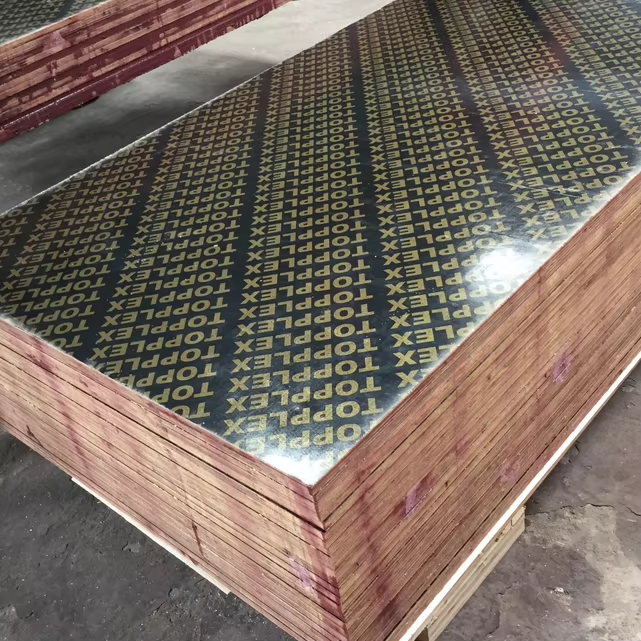
Construction ply price looks simple at first, and a per-sheet figure hides most of the real cost. Grade, bond class, thickness, sheet size, quantity, freight, and payment terms each move the number, so the cheapest quote can land as the most expensive delivery. This guide breaks down what sits inside a construction ply price, shows how to compare quotes on the same basis, and explains the extras a buyer should pin down before signing.
The core input drives the starting number. Veneer species, log quality, and the local cost of timber set the raw material line, and that line moves with log prices and harvest seasons.
Manufacturing adds the next slice. Peeling, drying, glue, pressing, and sanding each carry a cost, and a panel with more plies and a cleaner face costs more to build than a three-ply board.
Glue chemistry follows. A moisture-resistant or exterior bond uses pricier resin, and a low-emission glue adds an environmental premium, so the bond class appears twice in the price: once in material and once in the certification.
Face finish lands last on the sheet. A sanded, color-matched surface takes extra passes, while a shop grade accepts an unbanded edge, and that difference shows up as the surface quality you actually handle on site.
Local log supply and labor rates set a regional floor under the price. A mill near the forest pays less for raw material, and a market with lower factory labor sells a similar panel cheaper, so two quotes from different regions can sit apart at the same quality.
Currency and payment terms enter the same comparison. A quote in a rising currency or on a slow payment schedule carries a real cost, so the buyer should earn that line back in the total.
Sawing and sanding yields add a hidden line. A mill that recovers a high percentage of veneer from each log keeps the sheet price lower, while a wasteful run passes its loss to the buyer, so production efficiency peeks through the quote.
Grade and bond travel together in the price schedule. A face-and-back grade pair such as B/B or C/D changes the number at the face, and the glue class changes it at the bond.
| Panel class | Price level | What it buys |
|---|---|---|
| Shop or packaging panel | Lowest | Utility core, light duty |
| Interior furniture grade | Moderate | Clean face, interior glue |
| Moisture-resistant panel | Priced up | Better bond, humid rooms |
| Exterior structural panel | Priced up | Wet cycling, rated spans |
| Filmed formwork panel | Highest | Repeat pours, release face |
A buyer who quotes an interior furniture grade for a roof deck pays the wrong line. The deck needs a rated exterior panel, so the grade and the bond should follow the location, and the price should be quoted against that location.
Certification adds its own line. A panel stamped to a structural standard carries test costs, and a mill that skips the testing ships cheaper, so the watermark tells you which panel actually carries a rating.
Trade discounts bend the published price. A volume buyer, a repeat account, or a forward order often gains a strip off the list, so the price a new customer sees differs from the price a loyal one earns.
Warranty and claim terms sit in the number too. A mill that stands behind the bond prices the assurance into the sheet, while a cheaper panel often ships with a smaller promise, so the price and the guarantee should be read as one package.
Thickness moves the price in steps as the mill uses more veneer and more time in the press. A 12 mm sheet and an 18 mm sheet share the same line, yet the thicker panel carries a clearly higher price per area.
Sheet size multiplies the same logic. An oversize panel uses more log volume and needs wider presses, so the per-square-meter figure climbs while the per-joint labor falls, and the trade-off deserves a layout check.
Quantity bends the curve downward. A full truck or a full container spreads the fixed costs of setup, paperwork, and handling across more sheets, so the per-sheet price drops as the volume grows.
A small order pays a premium for the same reason. Mixed sizes, partial grade runs, and extra handling all add cost, and the mill recovers it in the smaller order’s price line.
Cut-to-size work adds a handling line. A mill that rips sheets to planks or cuts them to a layout charges for the saw time and the scrap it keeps, so a factored price should cover the cutting as well as the panel.
Packaging follows the quantity too. A palletized, strapped bundle costs a little more per sheet and protects the pack, while a loose load saves money and invites damage, so the packing line belongs beside the price line.
Freight often outgrows the sheet price on an export order. Weight and volume fill the container in different orders, and the haulage rate follows whichever limit the load hits first.
Tariffs and duties sit outside the mill quote. A buyer comparing two countries should land the margin, the duty, and the delivery together, because a low FOB price can reverse once the border costs attach.
Local supply shortens the distance and the wait. A mill or a warehouse within a day’s drive cuts freight and lead time, so the delivered construction ply price often favors the nearest capable supplier.
For a general-purpose structural and joinery board, buyers routinely compare Commercial Plywood quotes, which carry the grade and the bond in one line.
Where the job needs a release face and repeat pours, the forming line sets the price, and Film Faced Plywood prices by film weight and bond class.
An interior alternative changes the comparison again, and a furniture buyer often prices MDF Board beside veneer plywood before choosing the face and the stability it needs.
Market timing shifts figures through the year. Log seasonality, shipping rates, and order backlogs move the price, so a buyer who locks a price against a lead time avoids a surprise at the container stage.
A transparent quote names the exchange and the incoterm. That line decides who pays the loading, the freight, and the insurance, and a buyer who reads the term knows exactly where the delivered price starts.
A quote comparison works only on the same basis. Lock the grade, the bond, the thickness, the sheet size, and the quantity, then compare the delivered total instead of the per-sheet guess.
Use these habits on every price check:
Ask the mill what the quote excludes. Packaging, strapping, insurance, and demurrage all cost someone, and a buyer who knows where each line lands can hold the total steady.
A written purchase order closes the loop. Name the panel class, the standard, the quantity, and the delivery point, and the mill ships a bundle that matches the quote rather than a substitute the buyer must argue.
The desk at HYY quotes the grade, the bond, and the delivered line together, so the price on paper matches the panel on the truck.
A payment schedule and a lead time close the commercial deal. The sheet price means nothing without the terms, so the order should state the deposit, the balance, and the delivery window in the same paragraph.
Keep the comparison file open for true cost reviews. A bundle that returns, a job that adds a grade, or a size that changes should land on the same invoice logic, so the file stays consistent to the end.
These answers cover the price questions that buyers ask when they first compare plywood suppliers.
The resin and the testing cost more. An exterior bond uses pricier glue and earns a stamp, so the wet-performance panel carries a higher price line than an interior board.
Usually yes. More veneer and more pressing time raise the material cost, though a furniture grade and a structural grade at the same thickness can sit at different prices.
Buy a full truck or container of a standard grade and size. Volume spreads the fixed costs, and a clean spec with no mixed runs keeps the per-sheet price where the mill quotes it.
Not always. A low sheet price can meet a high freight bill or a substitute grade, so the buyer compares the delivered total and the certificate before choosing the cheapest line.