Our Location
5th Floor, Huake Center, Lanshan District, Linyi City, Shandong Province, China

5th Floor, Huake Center, Lanshan District, Linyi City, Shandong Province, China
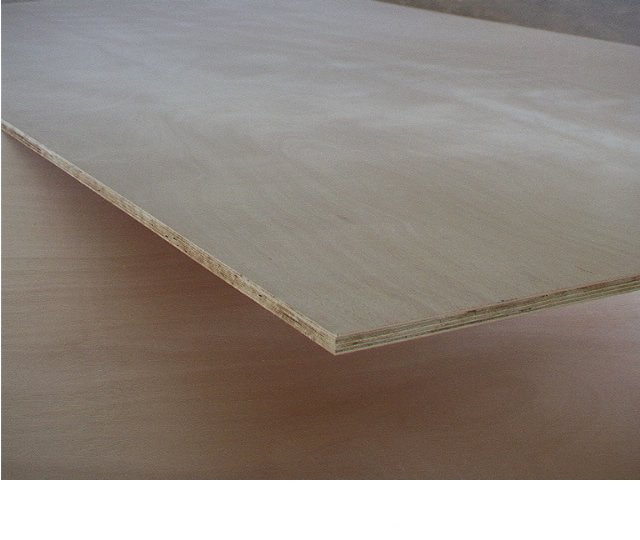
Plywood exposure 1 names a moisture resistance class that confuses many buyers because the trade treats it as almost exterior. The rating means the panel uses exterior glue and survives the wet phase of construction, yet it is not built to face permanent weather or ground contact. This guide explains what plywood exposure 1 covers, compares it with the other classes on the stamp, and shows where the panel earns its place on the site.
Plywood exposure 1 is a bond class defined by the US panel standard. The panel carries exterior glue, so the plies stay bonded through the rain, the dew, and the general moisture a building meets while walls or decks stay open.
The stamp tells the story in one line. A panel marked Exposure 1 withstands the normal wet phase of construction and a degree of water exposure in service, and then protects that promise with an exterior glue line.
The class sits below fully exterior grading. An exterior or marine panel keeps its bond through severe or permanent exposure, while an Exposure 1 panel assumes the building will dry out and close in before long-term weather takes over.
Definition matters at the order desk. Exposure 1 is not a permission slip for permanent outside service, and a buyer who reads it that way will see edge swell and face checking inside a season.
The label also changes with the regional standard. A panel stamped in one market may carry an exposure family that a second market writes as a different class, so the buyer should compare the bond promise rather than the letter alone.
The class helps a designer and a buyer speak the same language. A spec that writes Exposure 1 tells the mill exactly which glue promise the location needs, and the stamp answers the drawing without a phone call.
The class helps the site crew too. A panel that carries the stamp tells a carpenter the board tolerates the open phase, and that reassurance keeps the deck stock moving instead of waiting for the weather to break.
The panel standards line up the classes so a buyer can read the exact water promise off the stamp, and the differences run deeper than the label.
| Bond class | Moisture tolerance | Where it fits |
|---|---|---|
| Interior | Dry indoor air only | Furniture, cabinetry |
| Exposure 1 | Wet build phase | Sheathing, subfloors, decks |
| Exposure 2 | Brief damp | Painted outdoor details |
| Exterior | Permanent weather | Fascia, soffits, outbuildings |
| Marine | Severe wet service | Boat hulls, docks |
The choice follows the water that actually reaches the panel. A roof deck that waits weeks for the underlayment earns an Exposure 1 sheet, while a fascia board that faces every storm year-round needs the exterior class.
Exposure 2 runs a shorter promise. It tolerates a temporary damp spell during installation, so a buyer who needs a real wet-phase panel should step up to Exposure 1 instead of assuming the names mean the same.
The line between Exposure 1 and Exterior blurs on many quotes. A mill may stamp one panel to both class families, so the buyer should read the stamp line beside the application before comparing prices.
The stamp also matches the edge seal the job needs. An uncut sheet keeps its promise, while a cut edge restarts the moisture clock, so the spec that names the class should name the sealer at the same time.
Exposure 1 panels do their best work in the open phase of a build. Sheathing, subfloors, roof decks, and temporary decks sit in the weather while the builder closes the shell, and the exterior glue keeps them bonded.
The panel pulls duty in these locations:
The wet phase sets the real test. A panel that rains on for a week, dries out, and takes the next storm keeps its bond because the glue line never softens enough to open.
Permanent cover changes the story. Once the wall or the roof closes in, the panel settles into a dry service life, and the exposure class stops carrying the load that the finishing protects.
For a general structural deck, the panel meets standard sheathing duty, and buyers frequently order it as Commercial Plywood in the common rating lines.
A gable or a sheathed platform adds the same duty. The panel takes the wet phase, dries, and carries the finish, so the exposure class follows the construction schedule more than the final use.
Temporary structures share the logic. A hoarding, a platform, or a site enclosure that lives outdoors for a season needs the wet-phase bond, and the same sheet carries the job without overpaying for a marine panel.
The glue protects the plies, yet the edge and the face still need a little management. Cut an Exposure 1 sheet to size and the exposed end grain pulls water faster than the bonded faces.
A cut edge on a permanent deck should take sealer or a paint primer. The same panel that survives the build phase without a coat can check and swell along the edge once it lives exposed for a season.
Handling damage starts the same trouble. A dragged sheet scrapes the face veneer, and that scrape opens a path for water, so the stack that rides on bearers and slides clean keeps its service life.
Fixing holes want sealing too. Screws and nails leave a bare opening at the shank, and a line of caulk or primer at the head keeps weather out of the ply edges.
Simple site habits usually settle the question. Cover the stack, seal the cuts that stay exposed, and let panels dry between storms, and an Exposure 1 deck serves the whole build.
Cut sites should plan the edge protection with the layout. A deck with many cut joints wants a seal sweep after the saw, and the crew budgets that coat into the schedule instead of finding it later.
Storage at the batch level matters as much as the individual sheet. A stack that rides flat on bearers and under a tarp dries evenly, while a stack that sits on wet ground wicks moisture into the bottom sheets.
The order line should name the class out loud. A specification that says only construction plywood leaves the bond open, and the mill ships whatever the plate reads.
Write these lines into the order:
A stamp check at the receiving dock settles most disputes. Read the Exposure 1 line on the plate, crosscut a corner to see the glue line, and a wrong class returns before it spreads across the site.
Where the weather turns severe, step up a class. A permanent outdoor install or a wet coastal site should quote the exterior line, and the spec should say so in the same sentence as the panel name.
The technical team at HYY confirms the bond class and the grade on the certificate, so the panel that ships carries the promise the drawing assumed.
The receiving check adds a class line to the goods-in sheet. Read the stamp, note the exposure class, and file the copy with the order, so the audit trail and the panel match for the life of the project.
A substitution needs the same written step. When a mill proposes a different bond, the designer approves it against the exposure the location sees, and the substitution note lands in the same file as the original spec.
Where the build turns permanent and wet, the spec steps up to a filmed exterior panel, and crews order Film Faced Plywood for the forming and the wet-facing lines.
These answers settle the exposure questions that surface when buyers read a stamp for the first time.
It resists the wet build phase, not permanent weather. The exterior glue keeps the bond strong, while a panel left uncovered year-round needs sealing and will still face edge checks.
They sit close and differ in promise. Both use exterior glue, while the exterior class covers permanent weather exposure, so the spec should match the class to the service life.
For a permanent wet exposure, yes. Seal cut edges and around fixings, then let the panel dry, and the edge keeps pace with the bonded faces.
Yes, for a normal roof build. The deck takes rain through the open phase, and once the underlayment and covering close in, the panel settles into dry service.