Our Location
5th Floor, Huake Center, Lanshan District, Linyi City, Shandong Province, China

5th Floor, Huake Center, Lanshan District, Linyi City, Shandong Province, China
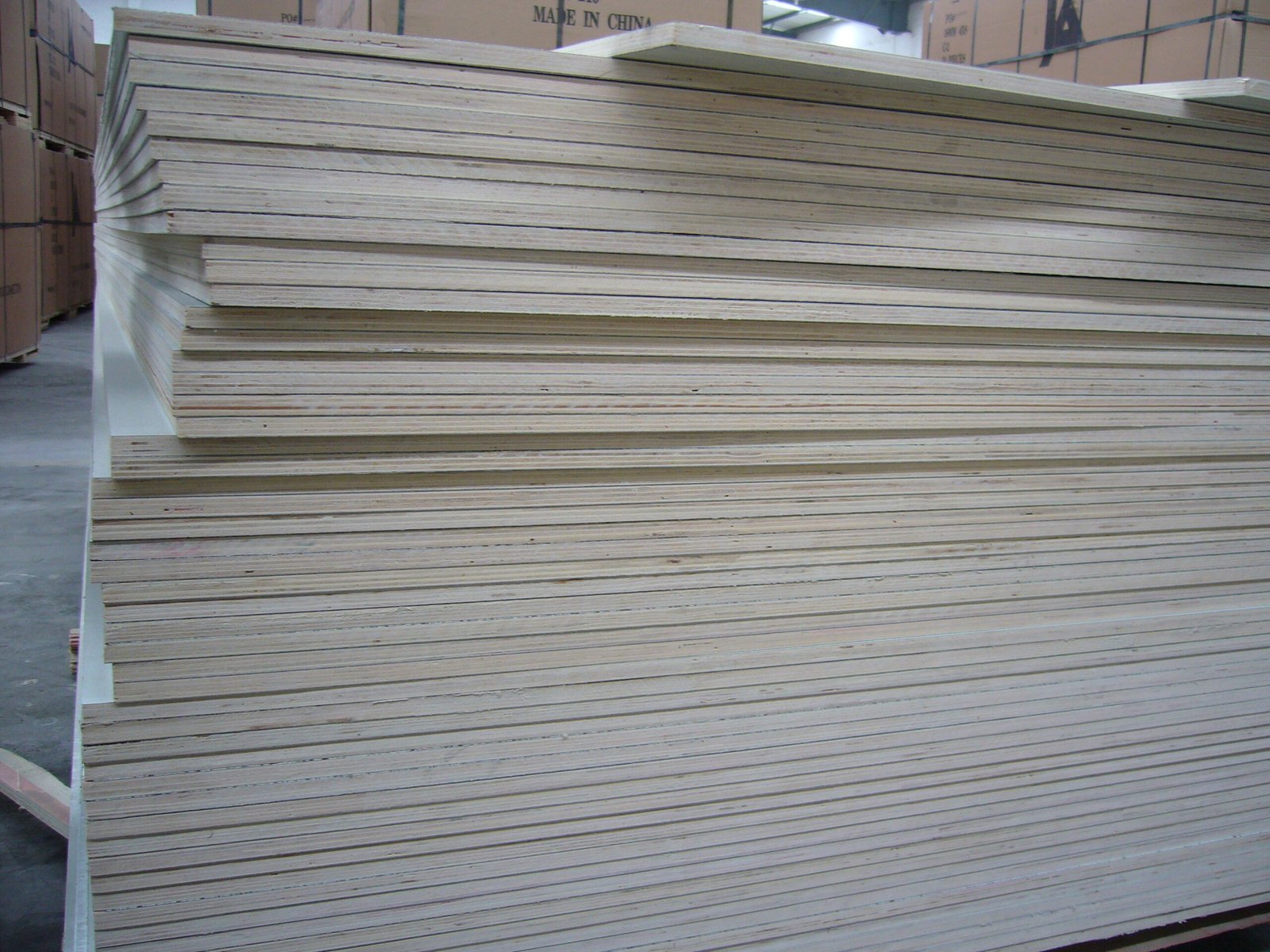
Construction ply shuttering names the plywood panel that shapes wet concrete, and the name covers far more than a slab of wood. Shuttering plywood needs a sealed face, an exterior bond, and a structure that survives the press of a pour and the pull of a strip. This guide explains what construction ply shuttering does, how the film and the bond line earn their keep, and how to specify and reuse the panel so every sheet returns for the next pour.
Shuttering forms the concrete shape. The panel carries the wet mix, holds its dimensions as the concrete presses outward, and gives the face a surface the finish follows.
Definition: construction ply shuttering is a structural plywood panel used as a concrete form, built with a smooth release face and an exterior glue line that survives the wet and the load of repeated pours.
The panel works in walls, columns, slabs, beams, and soffits. Carpenters build the form to the drawing, brace the panels, and pour, and the plywood carries the fluid pressure until the concrete cures.
Concrete pushes with real force. A tall wall or a deep beam drives a heavy lateral load against the face, so the panel needs stiffness across the span as much as a clean surface.
The form also sets the finish. A smooth, even face gives a clean concrete surface, while a patched or bowed panel leaves a mark that grinding can only hide, so the face quality appears in the pour.
The pressure mount matters on a tall pour. A form that reads the drawing and carries the waler layout keeps the panel dead flat, and the crew that checks the plumb line before the concrete arrives sets the form up to strip clean.
Timber formwork teams add value with the panel plan. They mark the studs, the walers, and the strip schedule on the form before the pour, so the shuttering lines up with the draw and the panel returns to the rack in the same order it left.
Two features make the shuttering panel stand apart: the sealed face and the wet-proof bond. The film seals the surface, and the glue keeps the plies together through the moisture.
| Panel feature | What it does | Why formwork needs it |
|---|---|---|
| Film face | Sheds water, releases cleanly | Clean finish, easy pull |
| Exterior bond | Keeps plies glued when wet | Survives repeat pours |
| Dense core | Adds stiffness | Carries pour pressure |
| Sealed edges | Stops water at the cut | Longer reuse life |
The film is a resin-soaked paper bonded to the face. It sheds concrete moisture, resists abrasion, and lets the form strip without tearing the surface, so the film grade follows how often the panel will pour.
The bond class decides the wet life. An exterior glue holds through wet cycling, while an interior line softens at the first edge splash, so the shuttering spec always names the exterior bond.
A phenolic film adds its own benefit. The same film serves both faces, so a panel can flip and pour again, and that double life changes the cost-per-pour math on a big job.
The panel edge makes its own demands. A factory-sealed edge fends off the curing water, while a site cut opens the grain and soaks the plies, so the crew reseals every fresh cut before the panel faces a pour.
Definition: shuttering re-use is the number of pours one panel can serve before its face or its edge fails the concrete finish, and that count follows the film grade, the bond, and the stripping habits on the crew.
Thickness follows the form pressure and the span between studs or walers. A thin sheet bows between supports, and a heavy panel carries the pour with less bracing.
Common shuttering sizes match the form grid. Panels cut to the wall or the beam profile reduce the cut joints, and a stock sheet sizes down by saw on the site bench.
Profile details appear on the drawing. Panels for a ground beam, an edge form, or a void box differ in length and shape, so the cut list and the panel plan should arrive before the pour day.
A tight edge and a square cut keep the joint clean. A panel that stands square at the edge gives a straight concrete line, while a ragged cut shows through as a ridge or a tie mark.
For a general structural panel under bracing, the same family runs sheathing duty, and buyers often order the working sheet as Commercial Plywood for the non-form lines.
Layout marks help the panel rotation. A chalk crayon notes the pour count and the date on the back face, and the gang reads those marks when they pick the next sheet for the wall, so the oldest panel serves first.
A light oil on the film eases the release. Form oil on a clean face lets the panel let go of the cured concrete without a pry bar, and the oil film protects the surface at the same stroke.
The reuse count separates a value form panel from a one-pour wonder. A good film and careful handling reach many cycles, while rough stripping and grit shorten that life fast.
Stripping technique protects the panel. A crew that pries at the right point and lifts evenly keeps the film intact, and a rough pull tears the edge and starts the rot that ends the panel.
Cleaning runs between pours. Crews scrape the cured residue, rinse the face, and dry the panel before stacking, because trapped grit and moisture grind down the next life.
Stack flat and cover the bundle. Timber bearers lift the panels clear of water, and a tarp keeps rain off the faces, so the shuttering pack survives the weeks between pours.
Rotate the stock like a fleet. Use the oldest panels first and retire the ones with lifted film or open edges, and the average panel age stays young across the job.
Vendor quality varies panel to panel. One mill runs a film that takes many pours, and another prints the same stamp on a thin one, so the buyer should trust the sample and the cert before the bulk order lands.
The order line should name the film, the bond, and the reuse expectation. A spec that says only plywood lets the mill ship a panel built for a different service life.
Use these lines on the shuttering order:
The forming panel itself ships as Film Faced Plywood, and the film and bond classes carry the reuse life on the order.
A sample edge and a stamp check close the deal. Crosscut a corner, look at the film and the plies, and read the bond class, then the panel that arrives matches the panel the drawing assumed.
The technical desk at HYY confirms the film grade, the bond, and the profile on the order, so the shuttering pack ships ready to pour.
The forming budget should price the reuse. A panel that pours many times spreads its cost across the schedule, and the film and the handling decide whether that arithmetic works.
A shuttering edge sealer extends the reuse. A brush coat on the site cuts keeps the end grain dry between pours, and the sealed edge holds the bond that lets the panel strip clean on the next cycle.
The stripping bar respects the film. A pry at the form joint lifts the panel from the concrete without digging into the face, and a crew that levers at the edges keeps the film sound for the next pour.
These answers cover the formwork questions that site teams ask before they order shuttering plywood.
It depends on the film grade and the handling. A heavy film and gentle stripping reach many cycles, and a light film with rough handling drops to a few pours.
Only for a single, dry job. Ordinary interior plywood loses its bond at the first wet pour, so the shuttering line needs an exterior bond and a sealed face.
Follow the form pressure and the support spacing. A tall wall with wide walers wants a heavier panel, and a light slab edge takes a thinner sheet with closer bracing.
Yes, on every cut. Edge sealer slows water at the exposed end grain, and that coat protects the bond that keeps the panel forming through the schedule.