Our Location
5th Floor, Huake Center, Lanshan District, Linyi City, Shandong Province, China

5th Floor, Huake Center, Lanshan District, Linyi City, Shandong Province, China
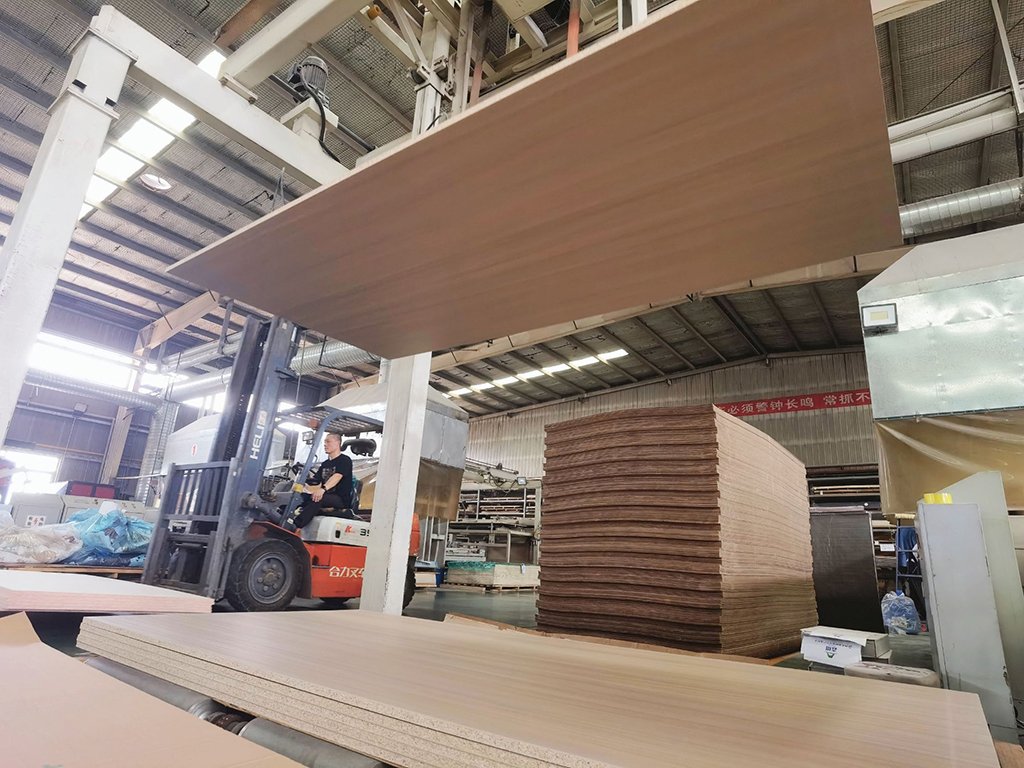
Construction waterproof plywood solves a simple site problem: the panel must keep its strength through rain, wet concrete, and damp subfloors without delaminating. This guide explains the bond classes that make a panel waterproof, the film faces that seal it, and the site habits that keep it flat and dry.
Definition: waterproof plywood is a panel bonded with waterproof adhesive throughout the build, so the glue line survives moisture as well as the timber itself. The word waterproof describes the bond, not a sealed surface shield.
Three lines decide wet performance. The glue class names the adhesive, the face treatment seals the surface, and the site storage protects the edges, and a panel fails when one of the three breaks down.
Definition: a wet-use panel is one whose adhesive and face carry the moisture during service, and the class name on the stamp tells the site crew whether the panel tolerates rain pending cladding or stays strictly inside.
Exterior bond uses phenolic or melamine glue rated for wet service, and marine bond adds a certified structural rating for full exposure. Interior bond works in dry rooms only and softens where rain reaches the face.
Waterproof claims need a test on the edge too. A splash test on a cut edge shows swelling in hours, and panel makers who pre-seal edges at the press deliver a panel that passes that site check without extra labour.
Painting a film face changes the wet story, not the bond. Paint shields the surface from weathering for a few seasons, while the glue class still carries the structural wet promise, so the painter and the specifier read different lines of the stamp.
A film overlay adds a moisture shield to the structural bond. Consequently, panels that pair an exterior bond with a film face give the site a sheet that sheds rain during the build and releases concrete later in the job.
Price follows the certification, not the wood. Exterior panels press in volume with standard hardwood faces, and marine panels add controlled core stock and a tested strength sheet, so the premium reflects the rating process more than extra glue in the press.
Delivery inspection also checks the face thickness. A qual marker on the overlay and a grip test at the edge tell the buyer whether the film will peel on the first pour, a check that saves formwork crews an early failure.
Definition: a face grade describes the veneer quality on each side, and it matters less than the bond in wet service. A rough face with an exterior bond outperforms a clean face with an interior bond on a damp job.
Feet and ground contact move the decision further. A panel that sits on wet concrete or graded soil takes wicking moisture, so specifiers lift panels off the ground and seal the bottom edge rather than relying on the grade alone.
Exterior grade waterproofs the glue for weather and site moisture, while marine grade certifies the same bond plus a declared strength for long saturation. The two panels share water resistance, and the price gap buys the marine rating, not more glue.
Buyers source the difference on the stamp: exterior panels list an exterior bond and a span, and marine panels list a marine or BS 1088 style mark with the strength class. In contrast, a budget sheet without a bond mark carries no waterproof promise.
Weather timing decides the panel between callouts. A frame sealed on day one under clear skies runs interior panels safely, while a schedule that leaves walls open for a week should step the whole envelope up to an exterior bond before the first sheet arrives.
Climate turns the same panel north or south. A dry climate keeps standard exterior bonds healthy for years, while a humid region and heavy frost cycles ask for a marine mark, so the site region belongs in the specification conversation.
Repair patches follow the same rule. A wet-spec area patched with a dry-spec sheet fails at the patch first, so repair orders record the original bond class and the patch panel matches it exactly.
Construction waterproof plywood earns its keep where water arrives before the cladding does. A framed wall that waits out a rain week survives on an exterior bond, while an interior-bond sheet swells around the fasteners and fails the nail schedule.
Formwork uses the same property differently. Film Faced Plywood with exterior glue releases concrete and sheds cleaning spray, so the waterproof face coincides with concrete work across columns, walls, and slab edges.
Moisture meters settle most arguments about wet panels. A meter reading on the core tells the crew whether a stored bundle reached dangerous levels, and that number travels with the insurance claim when a sheathed wall shows damage later.
Packing and the handover complete the storage plan. Panels arrive strapped and sheeted from the mill, and the site re-sheets them the same way after every partial use, so the moisture protection follows the panel from truck to wall.
Contractors also figure the handling weight into the wet spec. A waterlogged sheet adds kilograms per panel and slows the crew, so a panel that resists uptake at the edge keeps both the structure and the schedule healthy.
Moisture attacks the cut edge first, and a sealed edge is cheap insurance. Factory-applied edge sealer, paint, or a wax coat on every saw cut blocks the fastest water path into the core, and the same habit doubles the life of formwork panels.
Storage writes the rest of the story. Panels sit flat and off the ground on skids, covered by a sheet that sheds rain without trapping condensation, and cut sheets lean under the same cover instead of standing on wet earth.
Manufacturers mark wet performance on the face for a reason. The glue class, the standard, and the thickness line up on the stamp, and a buyer who rejects unstamped bundles keeps the whole wet-spec chain honest from the mill to the wall.
Warranty language follows the stamp. Suppliers back the glue class they mark, and the delivery record preserves that claim, so the buyer keeps the bundle ticket with the project file instead of tossing it after unloading.
| Use | Bond | Face | Thickness guide |
|---|---|---|---|
| Subfloor | Exterior | Sandable | 15-18 mm |
| Wall sheathing | Exterior | Plain or film | 9-12 mm |
| Formwork | Exterior | Film | 12-18 mm |
Buyers verify the promise at the dock. Check the glue mark, flex a cut edge for a clean bond, and record the standard name on the delivery sheet, because a load of panels stamped for dry walls fails a wet-spec job quietly.
Pair the sheet with the right product family: Commercial Plywood covers covered structure, and Chip Board stays for dry interior filler where water never arrives. Review the bonded panel range from HYY before the next wet order.
Write the exposure before the thickness. Wet site, three weeks open, load rating 2.0 kN per meter selects a panel in one pass, and the habit saves the rework that a vague waterproof request creates at delivery.
Repeat buyers standardize one wet-spec line and shop it across suppliers. The consistent spec cuts quoting time, and the delivered bundles match the framed detail without a second conversation on every order.
Moisture claims also need a service partner. A wet-spec panel that fails after a season gets reviewed against the delivery record and the site storage, so the buyer files both and keeps the warranty conversation factual.
These answers close the loop on the most common wet-spec mistakes before the order ships.
Only with the right bond. Construction panels with an exterior or marine glue class tolerate water, while interior-bond panels swell and delaminate if rain reaches them during the build.
Water-resistant panels survive occasional damp, and waterproof panels hold the glue line through saturation. The bond mark on the stamp draws the line between the two.
Use it for structure, not for decoration. Exterior plywood survives weather swelling, but bare faces checking and staining means visible outdoor work needs paint, film, or a cladding layer.
Yes. The edge is the fastest water path into the core, and sealed cuts extend the panel’s life more than any other single site habit.