Our Location
5th Floor, Huake Center, Lanshan District, Linyi City, Shandong Province, China

5th Floor, Huake Center, Lanshan District, Linyi City, Shandong Province, China
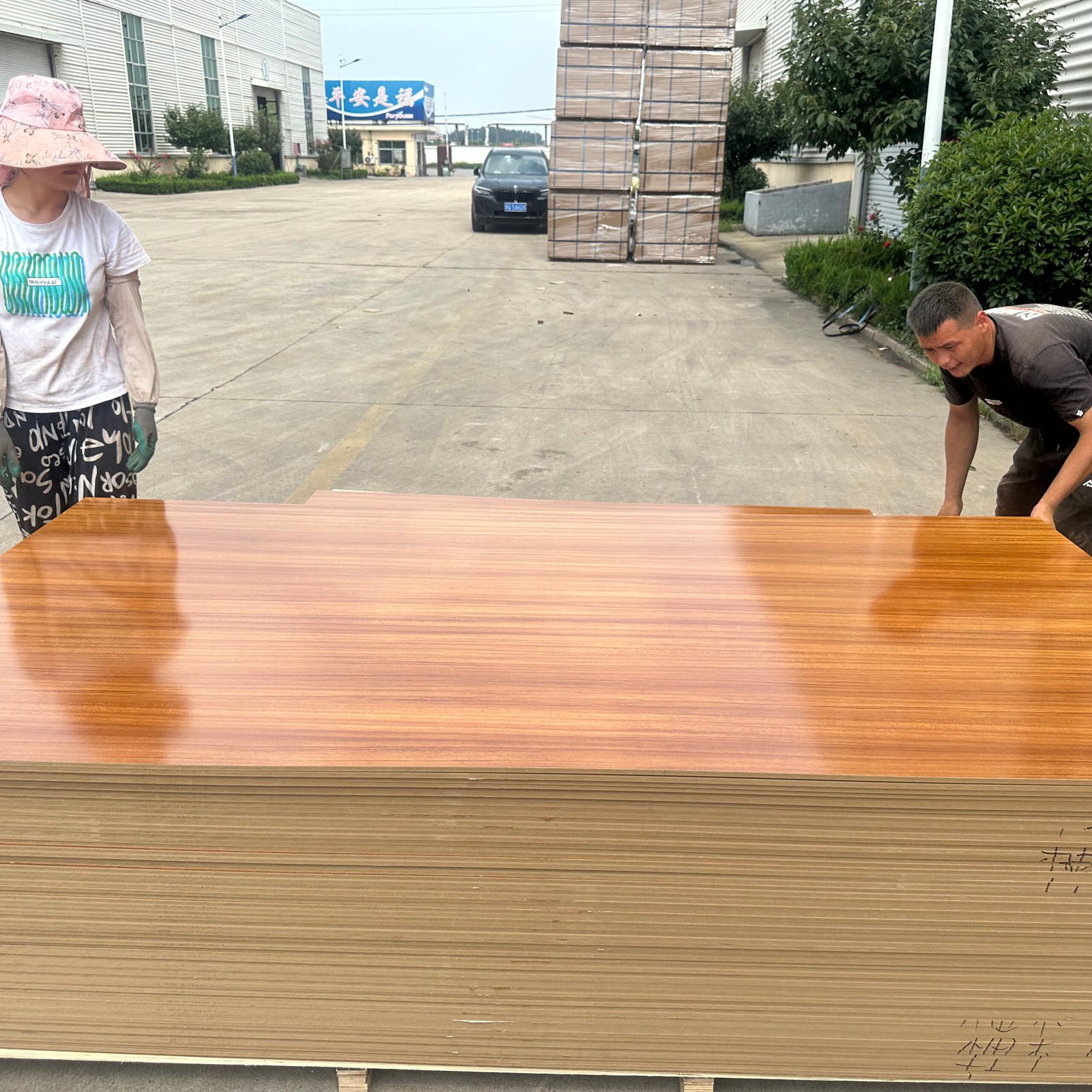
Choosing plywood for cabinets matters because the panel carries the hinges, the shelves, and the finish, and the wrong face shows up as a warped door or a stripped screw two years later. This guide compares grade pairs, core types, thickness, and edge detail, and ends with a comparison table that matches each panel to the cabinet part it serves.
Shops also match the panel to the delivery guarantee. A cabinet that arrives with a one-year door warranty needs a stable core and a sealed edge, so the supplier’s claim and the panel spec appear side by side on the work order.
A cabinet is a set of different jobs. The carcass resists the load, the doors take the finish, the shelves span the opening, and the drawer sides slide against hardware, so one panel rarely wins every role. Consequently, shops buy two or three products per project rather than one universal sheet.
Definition: cabinet grade plywood is a panel with a sorted face, a stable core, and a consistent thickness that a cabinet shop cuts, joints, and finishes without surprises.
Balance also matters in cabinet panels. Symmetric plies keep a door flat after the finish dries, while a one-sided lay-up cups slowly in the shop, so buyers ask for a balanced construction on visible panels and on sliding drawer fronts.
The face pair also sets the sanding budget. A sorted veneer sands in minutes, while a tolerant softwood face fills and re-coats the whole evening, so the finishing line prices the face grade back into the cabinet before the order ships.
Visible parts demand a better face. A B-C panel takes paint and clear coats cleanly, while a C-D face fills, blotches, and wastes finishing time. The pair logic keeps the cost on the hidden parts and the finish budget on the visible ones.
Definition: a furniture core is a cross-laminated inner build designed for machining, flatness, and screw holding rather than for structural framing, and it gives cabinet shops a panel that stays true after cutting and edge banding.
Furniture cores resist warping better than softwood structure on long spans. Poplar and hardwood cross-laminated cores stay flat, which matters when a door edge must close true after the shop cuts it.
Gloss level enters the face decision. Painted kitchens favor a smooth undercoat veneer, matte and satin finishes accept a light woodgrain face, and high-gloss fronts run over a dense core, so the finish brochure decides the face texture before the panel order goes out.
Drawer interiors and the hidden carcass run a functional face. The smooth overlay wipes clean, slides against hardware without snagging, and skips the finishing line, which is why mass-produced cabinet runs pair overlay interiors with veneer fronts.
Cut quality shows the face’s worth. A sharp blade leaves a clean veneer edge, a dull blade tears the soft face and splinters the overlay, so cabinet shops budget blades with the panel order, not after the first bad edge.
Cabinet faces fall into three families. Bare veneer accepts paint, stain, and clear coats; laminated faces skip finishing entirely; and paper-overlay faces ride the middle for retail furniture. The finish system the shop runs selects the family before the price.
| Face type | Finish effort | Typical cabinet part |
|---|---|---|
| Bare veneer | Medium | Visible paint-grade doors and panels |
| Melamine paper | None | Quick carcasses and clean interior closets |
| Film/faced board | Low | Bench tops and utility cabinets |
A shop that pairs Melamine Plywood on carcass runs with veneer-faced draw fronts splits the cost correctly, because the closed interior stops needing a finish the moment the drawer slides in.
Sag appears on the shelf, not on the drawing. A 600 mm opening on 12 mm panel deflects more than the eye accepts, and the same span on 18 mm holds level, so the shelf length and the panel thickness move together on the spec.
Joints move the stress to the screw. A panel that holds screw threads in the core keeps the hinge tight, while a soft core strips after a few cycles, so the hardware schedule and the core hardness belong on the same cabinet drawing.
Drawer slides test the side panel daily. A slide rail screws into the side and pulls against the core on every opening cycle, so a dense core keeps the screw tight where a soft filler core strips after a season of use.
Thickness follows the span and the hardware. Shelves and wide doors run 18 mm, drawer bodies and small panels run 12 mm, and the hinge manufacturer’s spec decides the edge that accepts the screw.
Edges need protection wherever they show. Banding, edge tape, or a routed chamfer seals the veneer and stops moisture creeping into the joint, while a raw cut edge on a melamine face chips in the shop and on the delivery van.
Definition: edge banding is a thin wood or PVC strip glued to the cut edge, and it turns an open plywood core into a finished cabinet edge that matches the face.
Cabinet shops also control the shop climate. Panels conditioned to the shop’s moisture content cut flat and stay flat, and panels brought in from a cold container move during the week, so shops stack deliveries one day before the first cut.
Season change moves panels before anyone cuts. Wood absorbs and releases moisture with the weather, then the cabinet shifts a millimeter at the joint, so shops that measure moisture weekly avoid rework that arrives after delivery.
Furniture retailers add one more requirement: the delivery van. A cabinet that survives the shop but moves in transit needs a stable core and a well-sealed edge, so the shipping distance appears in the spec review before the panel order.
Kitchens and bathrooms load the panel with humidity cycles. An exterior bond or a melamine face keeps the moisture out of the core, while bare interior-grade veneer cups and joins when a dishwasher vents beside the cabinet.
Shop handling decides flatness as much as the wood. Panels stored flat under cover stay true, a fast cross-cut with a sharp blade stops edge tear-out, and balanced painting on both faces prevents the door from bowing after the finish dries.
Hardware loads the panel as much as the shelf. Heavy undermount slides tighten into the drawer side and pull against the core, so the drawer spec names a panel that holds the fastener threads, and shop teams verify that before the batch runs.
Yields decide the true panel price. A shop that fits carcass, door, and drawer panels on a single sheet layout wastes less than one that cuts each part from a fresh board, so the sheet size appears in the cost study before the purchase order.
Cabinet shops price the panel with the waste if they ignore the board size. Layout-friendly 1220 by 2440 mm sheets cut standard carcasses with little scrap, so the buyer compares the usable yield per sheet rather than the face price alone.
Consider the finished line: shop-run finishing heads use MDF Board where users machine a consistent core, while budget filler parts run Chip Board and load-bearing parts run an all round commercial grade such as Commercial Plywood.
Narrow the spec before the quote: pick the face, the thickness, and the exposure on three lines, and every supplier prices the same cabinet sheet. Review the panel range from HYY when the project mixes carcass, door, and drawer products.
Cabinet shops who set one panel standard keep their routers, their edge bander, and their finish line on the same settings, and that consistency shows up as fewer rejected doors and a steadier price per cabinet.
These answers shore up the decisions that matter most when the shop starts a long kitchen run.
Both work in different places. Melamine-faced panels finish fast and clean interiors, while bare plywood takes the stain and paint that signature finish work demands.
Run 18 mm for shelves that span full-width openings. Narrow drawers and backs run 12 mm, but the shelf span controls sag regardless of the face.
Standard cabinet panels tolerate brief moisture, not standing water. Kitchens near dishwashers and sinks should specify an exterior bond or a sealed melamine face.
An unbalanced finish pulls one face, and winter humidity moves the core. Paint both sides with equal coats and store the doors flat while the finish cures.