Our Location
5th Floor, Huake Center, Lanshan District, Linyi City, Shandong Province, China

5th Floor, Huake Center, Lanshan District, Linyi City, Shandong Province, China
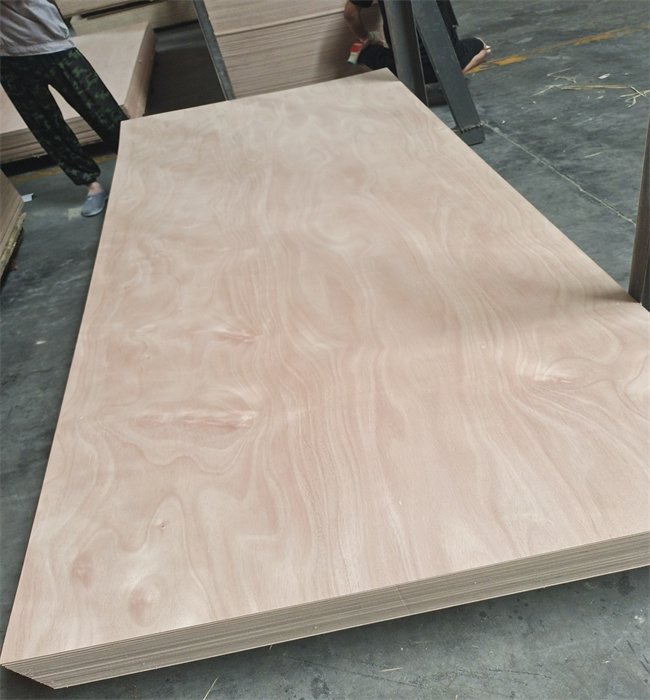
Buyers who search plywood marine grade typically need one answer: which wet-resistant structural panel matches their job without overpaying. The phrase covers several standards and glue classes, and suppliers quote different numbers for each. This guide explains what the grade actually controls, how it compares with exterior and film-faced boards, and the specification checklist that turns a vague request into a correct order.
You will finish with a clear rule: name the exposure, confirm the standard and glue class in writing, and compare quotes on the same basis before the container loads.
Marine grade describes the glue bond and the core discipline, not a waterproof coating on the surface. The panel can still absorb moisture along cut edges; the grade governs how quickly damage appears and how evenly the board moves. Understanding these layers lets buyers compare quotes that use the same words for different products.
Definition: the glue bond is the adhesive class that holds the veneers together under wet cycling. Phenolic and exterior melamine resins in marine boards resist water far better than interior urea glue, so edge delamination stays rare even after exposure. Confirm the bond class first, because it decides the service life in damp use more than any other feature.
First, match the bond to the exposure. Hull and dock work demands a true wet-use bond, while a dry interior panel never meets standing water and pays for capability it cannot use. Heat-cured phenolic resin, the strongest family, tolerates boiling, aggressive chemicals, and long immersion; melamine-based exterior bonds cover most other wet roles at a lower price.
Next, check the core. Marine panels limit face and core defects, so voids stay small and the edge stays strong when crews cut or drill on site. Panel-to-panel consistency matters in plank-and-frame work, where one soft core spot changes the entire layout plan. The core species also moves the number: harder tropical hardwoods give dense edges and higher prices, while softwood cores weigh less, decay differently, and cost less per sheet.
Finally, standards anchor the claims. Different markets rely on different documents, and buyers should match the standard to the destination port and the insurer requirement.
| Standard | Region | What it controls | Typical use |
|---|---|---|---|
| BS 1088 | UK-origin system | Face quality and glue of the board | Small craft and yacht work |
| EN 636 | Europe | Moisture durability class (636-3 for wet) | Marine and commercial exterior uses |
| JAS or JIS | Japan | Structural wet-use panel | Export housing and dock forms |
| PS1 | United States | Exterior bond and structural panel | Outdoor sheathing and substrate |
Check the class letter inside each standard as well, because one document can cover several exposure levels. Consequently, a buyer who writes only the standard name gets less precision than one who writes the standard plus its class.
Request the veneer species and the drying method beside the class. Species changes density and decay resistance, and a well-dried core moves less after machining, so both belong on the specification line with the rest of the grade details.
Many suppliers call boards exterior, waterproof, or marine, and buyers treat the names as interchangeable. In contrast, the two differ at the core: exterior boards pass wet bonding tests yet permit repaired faces and larger core voids, so long-term performance in standing water is not equal to a marine sheet.
Definition: an exterior-rated panel passes a boil-type wet test yet may carry repaired faces and larger core voids. Choose it for covered outdoor use, and avoid it where panels sit in standing water for months. As a result, the specification should name the exact exposure, and changing the panel after delivery costs freight and downtime.
For most outdoor structure, exterior grade delivers acceptable service at a lower unit cost. The tipping point arrives when water lingers, chemicals contact the face, or the panel must survive repeated wet and dry cycles, which is when the marine core pays back its premium.
Keep one marine standard across the project wherever wet roles repeat, because mixed standards behave differently after cutting and complicate inspection and claims handling.
Marine panels earn their purchase price where edge blow-out or delamination stops a job. Three places matter most in commercial practice.
Inside the marine family, grade still varies. Hull-grade boards carry the strictest face limits and suit visible planking, while structural marine boards accept more surface character and work where the veneer never shows. Define which one you need, because the price difference between them is real and repeatable.
For concrete formwork, however, many crews pick a cheaper route: Film Faced Plywood carries a smooth reusable face that handles casting and stripping better than bare marine veneer. Meanwhile, structural partitions and floors that never see standing water use Commercial Plywood at a lower price and still satisfy most building codes.
Reading the specification beats trusting the printed label. A usable sheet should state the standard, the glue class, the veneer species, and the face limits in numbers a buyer can verify at the dock.
Next, review how the factory tests the bond. A boil test, a skim test, and a shear test describe different properties, and the certificate should name the method next to the result. Then compare those numbers across suppliers instead of the marketing words; two quotes may both say marine plywood while one lists a certified wet-use class and the other sells an exterior board under a marine-sounding brand name.
Consequently, the cheapest marine quote usually wins the race to the first problem, not to the finished job. Confirm the class, then talk price.
Export orders add two risks the standard does not cover: moisture picked up in transit and packing damage at the edges. Plan for both before the container closes.
Check the delivery with a carbonator moisture meter on a sample of sheets, because readings above the target point to wet packing or damaged barriers. Keep the panels under cover and flat after the drop, and let the stack breathe rather than sealing sheets wet inside plastic for weeks.
Finally, name the destination standard in the contract. Following this pattern, buyers receive boards that match inspection, and disputes about grade stay rare because the documentation names the test that the panel passed.
These questions surface at the quotation stage, when budgets meet the real cost of wet-use construction.
No board is permanently waterproof. Marine plywood resists wet exposure and edge delamination far longer than standard panels, but cut edges still need sealing in continuous immersion. Treat the term as a durability class, not a guarantee.
Only in covered outdoor work. In contrast, hulls, docks, and any member that cycles wet demand a marine class, because repaired faces and larger voids fail first where moisture collects and never fully drains.
Because sorting rejects more veneer, the core uses tighter defect limits, and the glue resin costs more per sheet. Higher yield loss and tighter inspection explain most of the price gap, so the premium buys measurable edge life rather than extra thickness.
For concrete faces, yes. Film faced panels strip cleanly and survive repeated pours, so contractors pay for the film surface rather than a bare veneer face that stains and tears on every lift.
Finally, match the grade to the exposure and the destination, and put the standard in writing before the order ships. Buyers who follow this pattern receive panels that behave as promised, and suppliers who document the class can stand behind the board. We list the standard, the core species, and the glue class on every sheet at HYY, so the quote matches the panel that arrives.