Our Location
5th Floor, Huake Center, Lanshan District, Linyi City, Shandong Province, China

5th Floor, Huake Center, Lanshan District, Linyi City, Shandong Province, China
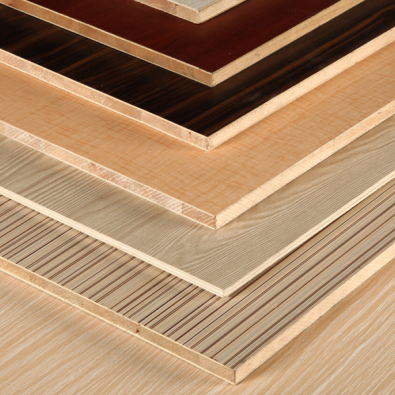
An mdfhdf waterproof melamine door skin gives a door a smooth, moisture-resistant face that paints or prints like a factory board. The skin bonds to a door core, and the grade of the MDF or HDF, the melamine surface, and the waterproof core decide how the door holds up in a bathroom, a kitchen, or a humid entry. This guide explains the skin, the MDF and HDF options, the waterproof grades, and the way to specify a door face on the order.
The skin dresses the door. A thin panel presses onto the door frame and core, and a melamine coating gives the face a hard, clean surface that resists a wipe and a scratch.
The face sets the look. A printed melamine reproduces a wood grain, a solid color, or a texture, so one base skin covers a range of door styles without a paint line.
Definition: a melamine door skin is a thin MDF or HDF panel with a resin-soaked melamine face, pressed onto a door core to give the leaf a smooth, wear-resistant surface.
The skin protects and finishes at once. The melamine face seals the wood fiber and carries the color, so the door needs no paint and resists the daily wear of a busy room.
Waterproof grades matter most. A humid bathroom and a kitchen splash test the core, so a waterproof or moisture-resistant skin holds where a standard fiberboard face would swell.
The door decides the skin. A heavy entry leaf and a light interior door place different demands on the face, so the buyer matches the density to the door rather than to the shelf.
A face sample shows the print. Holding a wood-grain melamine beside a solid color, the buyer sees how the coating reads on the door and picks the finish the design needs.
A batch note keeps the doors matched. When one order covers a whole run, the skin color and the press line stay consistent, and the doors on a corridor read as a set.
Density separates the two boards. MDF presses a medium-density fiber core, and HDF presses the same fiber to a higher density, so the two skins weigh and wear differently.
HDF takes the harder duty. A denser HDF face resists a knock and a scuff on a heavy door, while a lighter MDF skin suits a standard interior leaf at a lower cost.
| Property | MDF skin | HDF skin |
|---|---|---|
| Density | Medium | High |
| Weight | Lighter | Heavier |
| Impact wear | Moderate | High |
| Machining | Easy | Firm |
| Typical use | Interior door | Heavy-duty door |
The core density feeds the finish. A dense HDF holds a crisp edge and a smooth face, and the melamine sits flatter on the tight surface, so the finished door reads cleaner.
Machining rewards the grade. MDF routes and profiles with little resistance, and HDF holds a sharper cut and a firmer screw at the door edge, so the joint duty points to HDF.
Cost tracks the density. HDF prices above MDF for the same size, and the buyer weighs the heavier price against the longer wear on a door that takes daily use.
The humid room sets the bar. A bathroom, a kitchen, and a laundry each keep the air wet, and the skin grade should hold its flat face through that daily moisture.
A sealed cabinet frame helps the door. When the carcass also carries a moisture-resistant board, the door and the frame share a dry line and the leaf stays true.
Water drives the grade choice. A standard fiber core swells at the first soak, and a waterproof or moisture-resistant core holds its shape through a humid room and a wet wipe.
The green core marks the grade. A moisture-resistant MDF often carries a green dye in the core, so the buyer can identify the grade on a cut edge and confirm it on the spec sheet.
Definition: a waterproof door skin uses a moisture-resistant or waterproof resin in the fiber core, so the panel resists swelling where a standard core would fail in a wet room.
The melamine face adds a barrier. The sealed surface sheds a splash and a wipe, so the face and the waterproof core work together to keep the door flat and clean.
Seal the cut edges. A trimmed skin edge exposes the core, and an edge sealer or a band keeps the moisture out, so the fitting step protects the waterproof grade the buyer paid for.
The press line sets the bond. A cured hot-press joint holds the melamine flat across the skin, and a weak bond lifts the coating at the door edge over time.
The store room should stay dry. A flat, covered stack keeps the skins true, and a damp floor can bow a thin panel before the fitting begins.
Standard sizes match the door. The skin ships in the common leaf dimensions, and the buyer can order a size that trims to the frame with little waste.
Thickness stays thin. A door skin runs thin so the leaf stays light, and the press bonds the thin face to the frame and the core without a heavy weight penalty.
A press line joins the skin. A hot press bonds the melamine face to the panel under heat and pressure, and the cured line holds the coating flat and firm across the door.
The frame takes the fixings. A rail and stile frame around the core carries the hinge and the lock, and a dense skin backed by a solid frame holds the screws firm at the door edge.
A test cut confirms the grade. A crosscut on a sample shows the core color and the face bond, so the buyer checks the waterproof grade and the press line before the bulk order ships.
A tight fit reads as quality. A skin trimmed to the frame with a small even margin gives the door a clean line, and a loose edge shows the core at the jamb.
The hinge zone wants support. A solid frame behind the skin holds the hinge screws firm, so the door swings true instead of sagging on a soft edge.
The order line should name the fiber and the grade. A spec that says only door skin leaves the density and the moisture grade open, and the mill ships whatever the line runs.
Write the room into the order. A bathroom or a humid entry names a waterproof or moisture-resistant core, and a dry interior door takes a standard grade at a lower cost.
The face follows the style. A printed grain, a solid color, or a textured melamine each sets a different look, so the buyer matches the face to the door design.
The technical desk at HYY confirms the density, the waterproof grade, and the face on the order, so the skin ships matched to the room. Shops that need the dense, firm face order MDF Board, and buyers who also want a wear-resistant sheet on the door casing weigh Melamine Plywood beside it.
A sample and a spec check close the deal. Crosscut the panel, read the core and the face, and the door that takes a wipe and a knock keeps its promise.
The room note travels with the order. A spec that names a waterproof core for the wet doors and a standard core for the dry ones keeps the cost matched to the use.
A warranty rests on the grade. A mill that stamps the core and the face on the sheet backs the claim, and the buyer keeps the sample and the certificate for the record.
These answers cover the door skin questions that buyers raise before they place the order.
Only with the right core. The melamine face sheds a splash, and a waterproof or moisture-resistant core carries the wet-room grade, so the buyer names both on the spec.
Match the duty. An HDF skin takes the harder wear on a heavy door, and a lighter MDF skin suits a standard interior leaf at a lower price.
Yes, with a fine cutter and a sealed edge. Trim the skin to the frame, seal the fresh edge, and the waterproof grade keeps the door flat through the fit.
It runs thin to keep the leaf light. The exact thickness varies with the door, so the buyer confirms the size and the thickness against the door plan.