Our Location
5th Floor, Huake Center, Lanshan District, Linyi City, Shandong Province, China

5th Floor, Huake Center, Lanshan District, Linyi City, Shandong Province, China
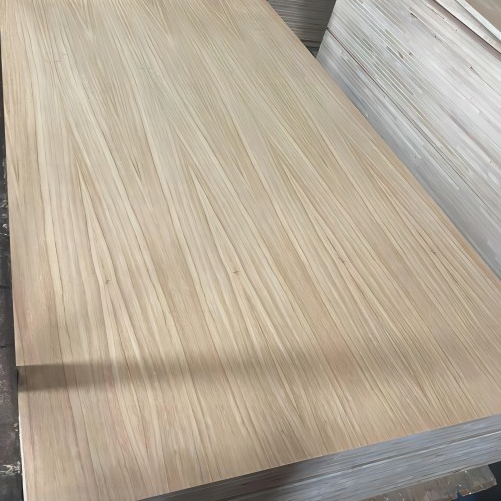
A search for price plywood 1/2 inch lands in the middle of the gauge range, where the panel starts to behave like structure rather than lining. Half-inch sheets carry shelves, subfloor patches, and boat parts, and their quotes sit between the cheap quarter sheet and the heavy structural panel. This guide covers what counts as a half-inch sheet, what moves its price, how the mid gauge compares with its neighbours, and the jobs where price plywood 1/2 repays the difference over a thinner option.
The half-inch panel marks a change in how the sheet behaves. Below this gauge, a panel wants support under most of its area; above it, the ends alone can carry the span.
Quotes for the gauge cluster tightly at each grade. The spread between a working face and a clear face moves the number more than the small shifts of the market that month.
Comparison still needs the same basis. A price per sheet against a price per square metre ranks the offers differently once the maths converts both to one unit.
A buyer who states the grade, the bond, and the quantity together gets the tightest quote, because the mill prices exactly the panel the drawing describes rather than a guess.
Volume quotes also hide a difference in handling. One bundle that arrives strapped and ready costs the site less time than the same panels loose, and that saving shows in hours rather than on the invoice.
The nominal half inch lands near 12 to 12.7 mm. Mills press it in volume, and the gauge sits between a lining panel and a full structural sheet on the yard list.
Definition: price plywood 1/2 is the quote for a panel about half an inch thick, sold by the sheet or by area like every other gauge on the rack.
The panel crosses into real duty. Shelves span on it, subfloor patches lay on it, and the drawer, the crate, and the boat part all take the gauge without a support below.
Plies build to four or five at this thickness. The count shows in the edge, and a finer lay-up of more layers resists twist better than a coarse sheet of the same gauge.
Faces vary as they always do. A sanded, even face suits visible work, and a plainer side hides behind a liner or a paint coat where the money can stay in the core.
Definition: the lay-up is the number and order of veneers in the panel, and at half inch it usually shows five or more layers at the sanded edge.
Cut edges tell the grade immediately. A clean, void-free stack reads as a better core, and a layered edge with gaps takes a screw poorly at the rim.
Weight at the gauge surprises first-time buyers. The panel that felt manageable at quarter inch now asks for a supporting arm and a clear route to the bench.
The stock sheet suits most layouts. A standard size trimmed to the job leaves parts for the next, and an odd special size waits on a press run.
Grade leads the list. The clear face over a clean core prices above a working panel, and the visible job decides which of those quotes to accept.
Quantity steps the rate the way it does on every gauge. A bundle shares the press setup and the handling, and the loose sheet pays for both by itself.
| Factor | Lower price | Higher price |
|---|---|---|
| Face | Working grade | Clear sanded face |
| Core | Mixed plies | Void-free layers |
| Quantity | Single sheet | Full bundle |
| Cutting | Stock size | Cut to order |
| Bond | Standard line | Marine or WBP spec |
The bond class separates service life. An exterior or marine line survives the wet duty a half-inch panel often meets, and the resin cost appears on the quote.
Cutting and finishing add lines after the press. A sheet that leaves raw costs least, and each pass at the saw, the sander, or the bander returns as a charge.
Freight follows the weight the panel finally carries. The half-inch sheet weighs more than the quarter for the same area, and the pallet bill tracks that difference.
Certification adds a paper trail rather than wood. A chain-of-custody claim costs an audit, and a buyer who needs the certificate should say so before the quotation rather than at delivery.
Seasonal veneer supply moves the base price. A mill with logs on the yard prices steady, and a shortage at the peeler passes to every quote in the same month.
Against the quarter sheet, the jump buys duty rather than surface. A panel that flexed over a span now stands with support at the edges only, and the price follows that change.
Against the three-quarter sheet, the gap buys economy. Where a heavy gauge over-specifies the job, the half inch carries the load at a lower sheet price and a lighter pallet.
Price per volume flatters the thicker panel again. The press cycle costs about the same across gauges, and the comparison that counts keeps the sheet and the job fixed.
Waste behaves between the extremes. The half-inch sheet rips into parts that still have a use as cleats and blocking, and the offcut stack feeds the next build.
Substitution fails only at the extremes. A shelf that runs a metre on the half inch with support at the ends behaves as drawn, and moving down a gauge changes that.
The quarter sheet still wins at lining. A back panel or a drawer base takes the light gauge happily, and moving up to half inch there buys stiffness the job never asks for.
The three-quarter sheet takes the floor. Subfloor over joists reads its span tables at the heavier gauge, and the half inch enters that conversation only at very close support.
Between them, the half inch is the joiner’s gauge. Doors, panels, and fixtures land there because the panel works with hand tools and still holds a hinge screw.
Price per project rather than per sheet. Two half-inch panels that replace one heavy sheet, plus the labour to handle it, land in the same place on the invoice.
Shelving and cabinetry take the gauge first. A span that needs no centre support, a door that stays flat, and a carcass side that holds screws all sit at this thickness.
Subfloor and deck repairs use it as the patch. The sheet that laps the joist at the cut takes traffic again, and the repair disappears once the covering goes down.
Workshop fixtures prefer the middle. A jig, a sled, or a tool wall takes a panel stiff enough to hold its shape without the weight of a full structural sheet.
Boats and vehicles build from it. A sole, a bulkhead, or a lining panel in the half inch carries fittings and takes the movement of a hull without telegraphing every wave.
The structure around the sheet comes from the same yard. The half-inch panel orders as Commercial Plywood, and visible carcass work pairs with Melamine Plywood in the matching gauge.
The technical desk at HYY prices the half-inch sheet against the face grade and the quantity stated, so the quote covers the panel the drawing calls for.
Stair risers and treads in light traffic take the panel, and a gauge that keeps a tread quiet underfoot costs less than a solid plank of the same width.
Vehicle and van builds cut bulkheads from it. A panel that takes a seat belt anchor or a cabinet hinge wants depth at the screw, and the half inch supplies it.
Play and pet enclosures use the gauge for the same reason. A side that holds a hinge through years of opening meets a core that will not crush at the fastener.
These answers cover the mid-gauge questions that come up before the quote.
For a supported span, yes. The gauge carries a metre of shelving with ends fixed, and a longer unsupported run wants a thicker panel or a rail beneath it.
More veneer and more press time. The gauge uses roughly twice the wood of a quarter sheet, and the edge that shows takes a finer lay-up as well.
Usually five or more. The finer lay-up resists twist, and a sheet that shows five even plies at the edge took the extra passes at the press.
Yes, at a premium per cut. Cutting breaks the standard run, and a layout that nests parts from full sheets usually beats piece-by-piece orders on the total.