Our Location
5th Floor, Huake Center, Lanshan District, Linyi City, Shandong Province, China

5th Floor, Huake Center, Lanshan District, Linyi City, Shandong Province, China
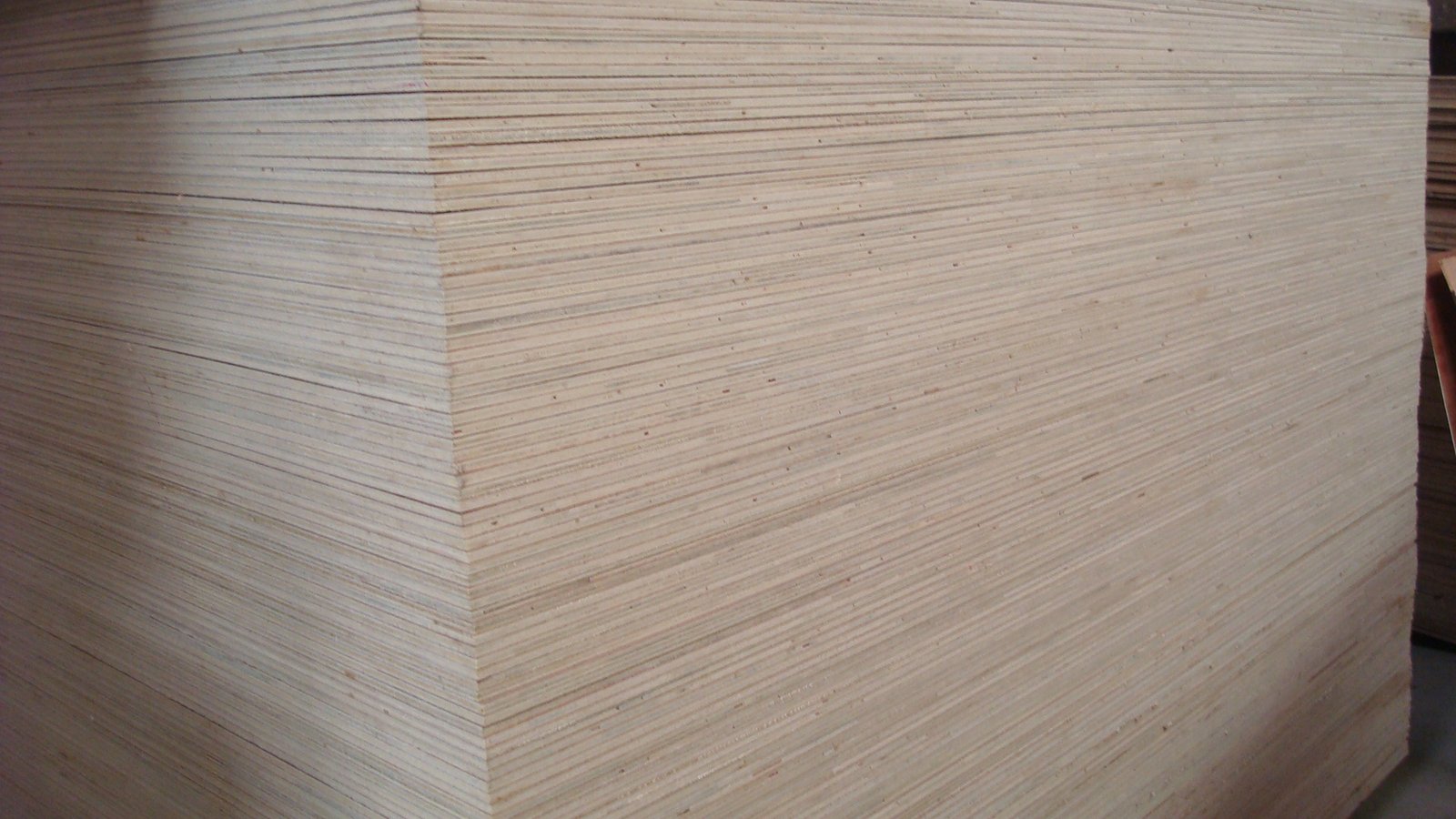
Plywood XPS names the composite that bonds a plywood skin to an extruded polystyrene core, and the pairing gives a panel that carries load, resists water, and insulates in one pass. Van builders, cold rooms, and SIP-style structures reach for the sheet because the skin takes fasteners while the foam stops the heat. This guide covers how the panel is built, where it earns its place, how the bond and thickness are specified, and how to cut and finish plywood XPS without crushing the core.
The idea behind the panel is old; the materials are modern. An I-beam puts the strength at the faces and the depth in the web, and the sandwich does the same with plywood and foam.
Weight is the quiet advantage. A composite wall panel two people handle replaces a framed, insulated, and boarded build-up that takes a crew and three deliveries.
The foam is not just insulation. It gives the skins a continuous bed to bond against, and the glue line spreads across the full area rather than a line of studs.
Fabrication stays familiar. The sheet cuts with workshop tools, takes a standard fastener into its pads, and joins with tapes and battens the trade already stocks.
The panel’s limits are just as clear: it needs edge protection and a fixing plan before it leaves the bench.
The skins do the structural work. Two plywood faces glue to the foam under pressure, and the sandwich resists bending the way an I-beam does, with the webs replaced by the core.
Definition: plywood XPS is an insulated sandwich panel with plywood faces bonded to an extruded polystyrene core, built for light structure with a thermal break.
The foam supplies the stiffness per weight. XPS closes its cells during extrusion, and the closed structure resists moisture uptake where an open foam would drink.
Bond choice decides the service. An adhesive rated for foam and wood holds the skin through temperature swings, and a glue that attacks XPS lets the panel delaminate in the sun.
The panel arrives in stock sizes. Sheets cut to the common dimensions nest like any other panel, and the builder plans the layout around the skin size rather than the roll.
Skins can differ front and back. A tougher face on the outside and a lighter inner face balance the abuse the panel sees against the weight it carries.
Core orientation stays constant. Unlike the veneers, the foam has no grain, and the panel behaves the same across its width with movement that only follows temperature.
Disposal follows the layers. The skins come back as wood, the foam chips or reclaims, and the bonded assembly asks for that separation before either stream starts.
Manufacturers press the lay-up on a caulk line. Adhesive spread, clamp pressure, and cure time each set the bond, and a panel that rushed the cure meets the sun with a weakness.
The certificate that ships records the batch: skin grade, foam density, and adhesive class for the panels on that pallet.
Van and campervan builds take it first. A wall, a floor, and a ceiling lined in composite keep the cold out and give every screw a plywood bite instead of a foil face.
Cold rooms and chillers use the idea at scale. The panel that forms the envelope carries the lining load and the insulation together, and the joints tape over the finished face.
Flat roofs and garden rooms benefit from the build-up. A warm deck that insulates in the same layer saves a separate board, and the schedule loses a trade and a curing day.
Floors over cold substrate take the composite as an overlay. The sheet levels, insulates, and takes the finish floor above without a second underlayer in between.
Exhibition and mobile structures favour the weight. A stand that travels light yet takes a fixture screw arrives at the venue as composite rather than framing and board.
Sheds and garden offices take the composite as the whole envelope. One panel forms, insulates, and takes the lining, and the build finishes days earlier than the framed alternative.
Sports pavilions and site cabins value the same speed. A panel that arrives cut to the drawing raises in a morning, and services chase into the skin without a separate board.
Insulated furniture follows the idea. A chilled display, a campervan bed box, or a bar front takes the composite where the cold side and the finish side both matter.
Skin thickness follows the fixing. A face that takes a screw eye or a hinge wants real veneer depth, and a thin skin dimples under a fastener that a deeper face would hold.
| Layer | What to state | Why it matters |
|---|---|---|
| Face skin | Grade and thickness | Screw hold and finish |
| Core | XPS density and depth | Insulation and stiffness |
| Bond | Adhesive class | Holds through heat cycles |
| Sheet size | Stock or cut | Layout and joint count |
Core depth follows the thermal target. A thicker foam raises the R-value and the span capability together, and the drawing states the depth beside the skin.
Density of the foam sets the crush resistance. A hard, close-celled core takes a point load at a table leg, and a softer one dents where the same load passes through.
Definition: delamination is the separation of skin from core, and it follows heat, moisture, and a bond class that did not match the foam in the first place.
The certificate covers the assembly. Skin grade, foam type, and adhesive class each appear on the paper, and the buyer who reads all three gets the panel the drawing assumed.
Tolerance on the skin affects joinery. A face that runs light under a laminate or a hinge line shows at the edge, and the stated band belongs in the comparison.
Panel size trades against joints. A sheet cut to the wall module leaves fewer seams to tape, and a stock size ships faster at the cost of one more joint.
Sample panels settle the rest. A crosscut of the actual lay-up shows the bond line, the foam cell structure, and the skin depth before the pallet is committed.
The blade cuts the skin and melts through the foam. A fine-tooth blade at a steady speed gives a clean face and a core that closes behind the cut rather than tearing.
Dust stays low at the saw. The skin dust behaves like any plywood, and the foam chips static-cling to the work, so extraction and a wipe keep the shop sane.
Fasteners need a plan. A screw through the skin into a timber pad or a bracket carries the load into structure, and a screw driven into foam alone holds nothing.
Edges get closed. A tape, a batten, or a trim over the cut end keeps moisture out of the core line, and the open edge left against weather is where a panel starts.
Finishes stick to the skin. Paint, varnish, and laminate follow the plywood face as they would on a solid sheet, and the foam underneath never sees the coating.
The panel sits with its stock neighbours. The composite orders beside Commercial Plywood for plain skins, and a visible interior build pairs it with Melamine Plywood where the face should wipe clean.
The technical desk at HYY confirms the skin grade and the core depth against the thermal and load notes on the drawing, so the composite arrives as specified.
Scribe lines mark through the skin without tearing it, and a cut that follows a knife line leaves the face clean at the visible edge.
Store the sheets flat on bearers. A composite leaned against a wall takes a set at the base, and a panel that bows once fights the install forever.
The offcut that holds both skins still insulates, and it blocks a duct or packs a void instead of the bin.
These answers cover the composite questions that come up before the order.
Insulated structure: van linings, cold rooms, warm roofs, and floors over cold ground. The skin carries the fixing and the finish while the core stops the heat.
The foam resists water uptake because its cells stay closed, and the panel still wants its edges sealed, because the cut core line and the skin edge take moisture first.
Through the skin into structure, yes. A screw that lands on a pad or a batten holds, and a fastener that only reaches foam pulls straight out under load.
A fine-tooth blade with a steady feed. The skin scores as it cuts, the foam parts cleanly, and the face that leaves the saw needs no filler before the finish.