Our Location
5th Floor, Huake Center, Lanshan District, Linyi City, Shandong Province, China

5th Floor, Huake Center, Lanshan District, Linyi City, Shandong Province, China
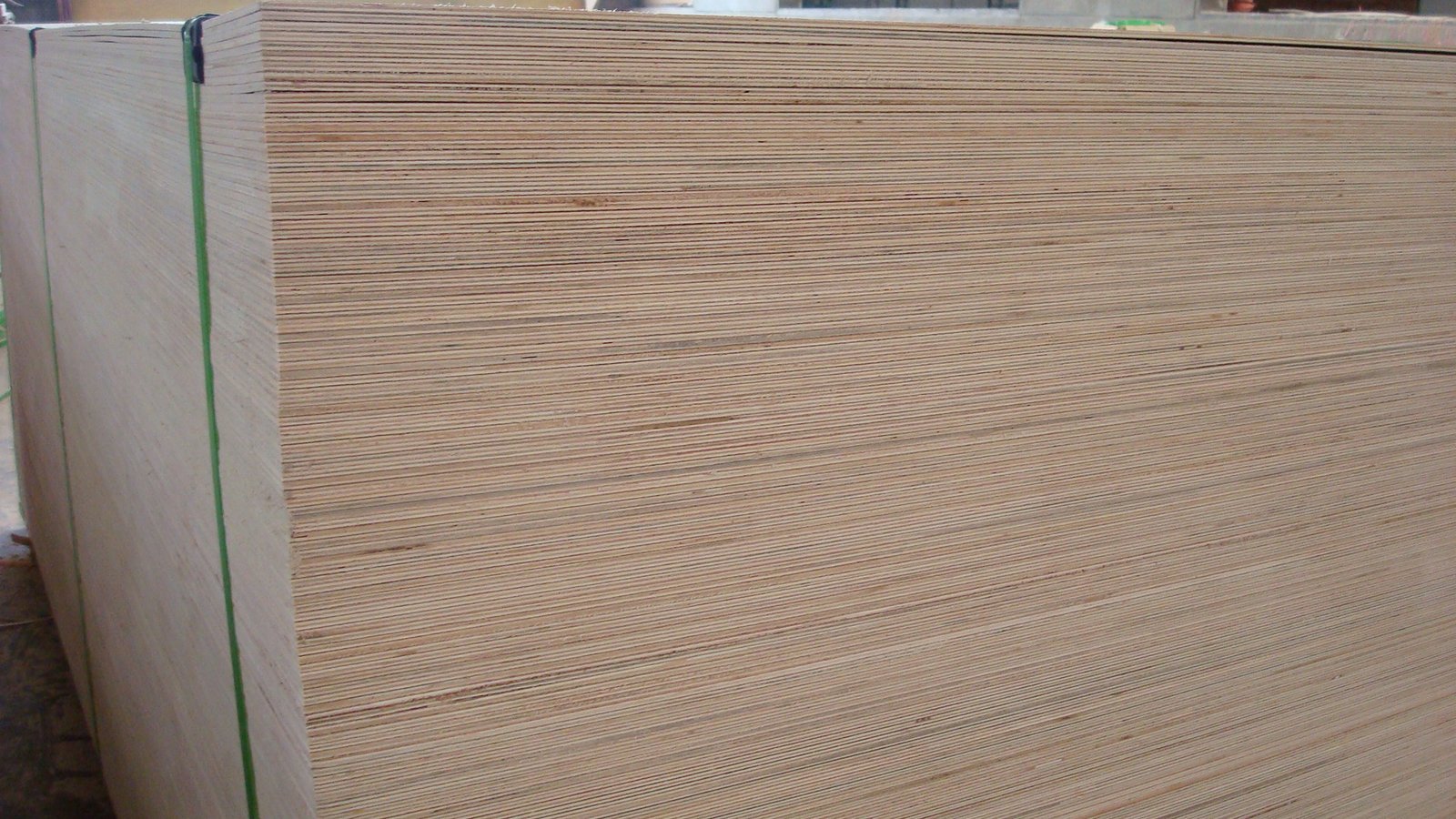
A structural plywood exterior panel carries load and takes weather at the same time, which is why it appears on sheathing, roof decks, and boat hulls where a plain interior sheet would fail. The exterior build combines a strong veneer schedule with a weather-rated glue line, so the panel that spans an opening also survives the rain that reaches it. This guide explains what makes a structural plywood exterior sheet, the grades and glue lines behind it, how to specify the panel, and how to cut, fix, and seal it on site.
The use decides the sheet before the price does. A soffit, a deck, and a hull each expose the panel differently, and the grade and the glue line follow that exposure.
The edge of an exterior panel works hardest. Water reaches the core at the cut long before it reaches the face, and a sealed rim buys years of service.
Coating is a choice, not a cure. A finish slows water at the face, and the glue line and the sealed edge carry the weather when the coating wears.
The schedule should name the service. A drawing that states the exposure and the span lets the yard match the glue class and the thickness on one line.
Two jobs meet in one sheet. The veneer schedule supplies the strength a load needs, and the resin supplies the weather resistance the exposure demands.
Definition: structural plywood exterior is a load-bearing panel bonded with a moisture-resistant or waterproof glue line for use where weather, damp, or wet service is expected.
The cross-laid plies do the work. Each layer turns ninety degrees to the one below, and the panel resists a load in both directions rather than splitting along a single grain.
The face grades set the finish. A structural panel can wear a clear face for open soffits or a plugged face for covered sheathing, and the price tracks the choice.
Thickness follows the span. A deck over close joists runs thinner than a long span on the same frame, and the span table decides the gauge before anything else.
The surface texture varies by grade. A sanded sheet shows an even face, and a rough or plugged face saves cost where a covering hides the surface.
The core quality sets the edge. A tight, void-free stack takes a screw and a weather seal, and a loose core lets water travel along the plies.
Thickness and span travel together. A wider joist spacing wants a deeper sheet, and the exposure note then fixes the glue class on the same panel.
The panel takes a finish well. Paint, stain, and a clear coat all bond to the face, and the edge that shows still wants a sealer before the coating.
The glue class marks the exposure. An interior line handles dry service only, and a moisture-resistant or waterproof line carries the panel through rain and wet trades.
Veneer grades read at the edge and the face. The face letter tells the finish, and the inner plies set the core quality and the way the edge holds together.
A stamped panel names its class. The grade mark on the sheet records the span rating and the exposure, and a buyer who checks the stamp avoids a substituted sheet.
| Glue line | Exposure | Typical service |
|---|---|---|
| Interior | Dry only | Furniture and dry lining |
| Moisture resistant | Humid and damp | Protected sheathing |
| Waterproof (WBP) | Wet and weather | Exterior and marine |
Definition: a waterproof glue line is a resin bond that survives boiling and long wetting, and it is what separates an exterior sheet from a panel that only tolerates damp.
Edge sealing backs the grade. Even a waterproof bond wants its exposed edges closed against water, because the cut core drinks where the face cannot.
State the exposure in words. Rain, damp, and wet service each point to a different glue class, and the note keeps the yard from guessing on the line.
Name the fixing schedule. Screws at the stated centre hold the span, and a schedule left blank invites a spacing that lets the panel work.
Ask for the stamp. A grade mark that records the exposure and the span rating proves the sheet, and a substituted panel rarely carries the same stamp.
Start with the span table. The load and the frame spacing give a minimum gauge, and the exposure note then sets the glue class on the same line.
Name the face for the job. Sheathing that will be covered takes a lower face grade, and an open soffit or a visible panel wants a sanded, even surface.
Fix the sheet size to the layout. A stock size that divides the frame modules leaves fewer seams to seal, and a cut-to-order sheet that matches the wall saves a joint.
Confirm the handling before the order. A heavy exterior sheet wants a clear route and a second pair of hands, and the delivery sized to the site saves a lift.
The panel ordering below it matters too. Sheathing pairs with structural grades while the visible lining pairs with a product such as Film Faced Plywood, and a coated face comes from the same yard as Commercial Plywood.
Handle the sheet on its edge. A heavy exterior panel carried flat springs under its own weight, and the sheet held upright keeps its face true.
Prime the cut as you work. A sealer brushed on the end grain the same day closes the core, and a rim left raw is where an exterior sheet starts to fail.
Leave a drainage path. A cladding or a deck wants a gap that lets water leave, and a panel sealed tight on every side traps the moisture that finds it.
Inspect the run before closing. A straight edge over the fixings shows a crowned joist early, and a fix at the frame saves a ripple the finish would show.
Cut with the face up and the good side marked. The veneer chips on the side the blade leaves, and a sharp blade at a steady feed keeps the unsupported edge clean.
Support the sheet while it is cut. A panel that hangs off the bench closes its kerf behind the blade, and the pinch grabs the saw mid-cut.
Fixing holds the span. Screws at the stated spacing through the face into the frame stop the panel from working, and a nail alone creeps under a live load.
Seal every exposed edge. A coat of primer or a proprietary sealer on the cut end keeps water out of the core, and the unsealed rim is where exterior panels fail.
Check the run before it closes in. A line of screws and a straight edge reveal a crowned joist early, and a correction at the frame saves a ripple in the finish.
The technical desk at HYY matches the glue class and the span rating to the exposure on the drawing, so the exterior sheet arrives as the schedule states.
Keep the joints on the frame. A butt that lands over a joist or a stud carries the load, and a seam that floats between them opens under weather.
Fasten the panel, not the void. A screw that misses the frame holds nothing, and a planned line of fixings keeps the exterior run sound.
Leave a service gap at the base. A cladding that stops just above the ground lets water drain, and a panel that reaches the soil wicks moisture from below.
Record the build for the next repair. A note of the grade and the glue class lets a future patch match the sheet that is already in the wall.
Using an interior sheet outdoors. The panel that carries an interior glue line fails where an exterior one holds, and the saving disappears in a season.
Leaving the cut edge bare. The core takes water at the rim, and an unsealed edge undoes a waterproof bond in a single winter.
Fixing into a void. A screw that misses the frame holds nothing, and a run of fixings into air lets the sheet work loose.
Skipping the drainage gap. A panel sealed on every side traps water, and a cladding that cannot shed the rain rots from the base up.
These answers cover the exterior structural questions that come up before the order.
Not exactly. Structural names the load capacity, and exterior names the glue line, and a panel can carry one or both ratings depending on the stamp.
It tolerates weather far better than an interior line, and it still wants its edges sealed and its face drained, because no panel enjoys standing water.
The span table decides. A deck over close framing runs thinner than a wide spacing, and the exposure and the wind notes then adjust the same gauge.
Prime or seal the end grain as soon as the cut is made. A brush or a roller reaches the core line, and the sealed edge keeps weather out of the panel.