Our Location
5th Floor, Huake Center, Lanshan District, Linyi City, Shandong Province, China

5th Floor, Huake Center, Lanshan District, Linyi City, Shandong Province, China
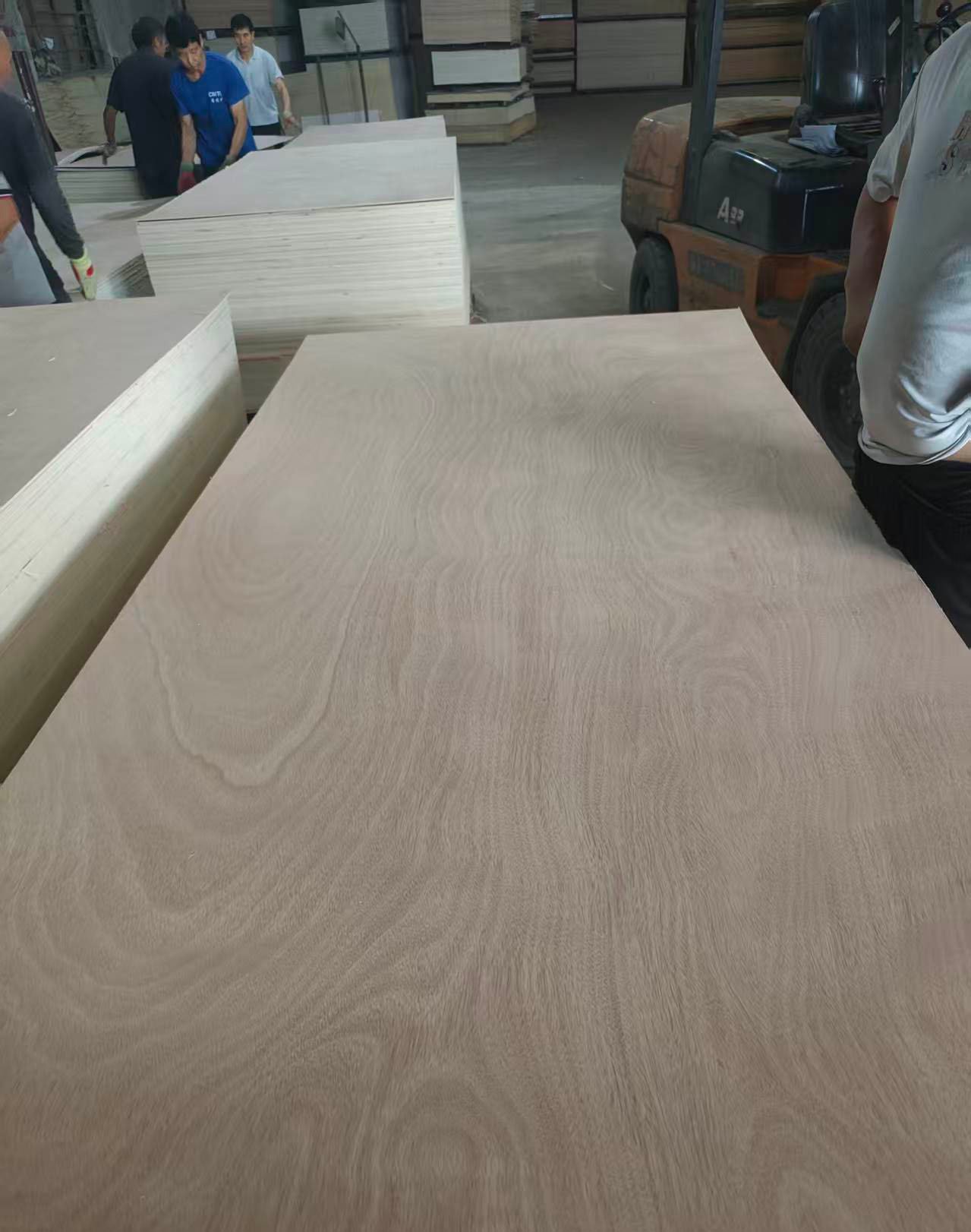
Buyers who order structural plywood grades without reading the rating system lose money on the wrong thickness or the wrong glue. A structural grade declares a tested combination of strength, bond, and approved span, and this guide explains the EN stress classes, the PS span ratings, and the export stamps that name each panel. You will finish able to match the grade to the floor, wall, or roof load.
Buyers compare grades the same way they compare quotes: the standard, the class, and the bond all change the price, and a panel that skips one line usually hides the shortcut in the missing detail.
Definition: a structural plywood grade is a tested combination of bending strength, stiffness, shear, and glue durability that a standards body certifies for calculated use. The grade appears as a class letter, a span value, or a stress number, and it tells the engineer what the panel carries between supports.
The grade never travels alone. Every structural sheet pairs the strength marker with a bond class, and the bond decides how the panel behaves after moisture events. Furthermore, the stamp names the standard that ran the test, so the buyer compares EN sheets with EN numbers and PS sheets with PS numbers, not with brand names.
Strength predicts span, and bond predicts survival. A panel with a fine strength rating and an interior bond fails the wet site quickly, while the same rating with exterior glue keeps its edge. Consequently, the spec sheet lists both lines before the thickness.
Regional agencies publish the tests. Europe uses EN 636 for the panel and EN 1995 for the design values, North America uses PS 1 and PS 2 with span ratings, and markets such as Australia add F17 or J-grade names. The panel behaves the same; the label differs.
Definition: a stress class such as C24 is a European strength group that engineers use to calculate timber beams, and plywood carries the same class when its lay-up passes the bending and shear test for that group.
The class and the bond appear together on most EN stamps. A buyer who reads the letter and the 636 number sees both what the panel carries and how it behaves in damp service, which is why the two lines belong in the same sentence on the order.
Definition: EN 636 is the European specification for plywood in building, and its three parts step the bond from dry interior service to full exterior weather exposure for calculated structure.
Green panels lean on the same classification. A buyer who sources carbon-light material asks for the FSC chain and the glue class in one line, so the grade and the sustainability certificate travel on the same delivery sheet.
European mills quote EN 636 classes with a bond suffix. EN 636-2 covers humid interior conditions with an exterior bond, and EN 636-3 steps to exterior and even marine exposure. When the engineer calls a class, the buyer quotes the class letter beside the thickness on every line.
| EN 636 class | Bond | Typical use |
|---|---|---|
| EN 636-1 | Interior | Dry internal panels |
| EN 636-2 | Exterior | Humid rooms and protected frames |
| EN 636-3 | Exterior/Marine | Weather and wet site structure |
Strength classes parallel the bond table. A C24 stress class carries floor loads across normal joist spacing, and the mill prints the class on the stamp so the engineer reads the panel as part of the designed structure.
Structural sheathing grades use the same pair logic. A Structural I panel carries higher shear values than standard sheathing at the same thickness, and the face stamp marks the difference for the inspector who checks the wall panel schedule.
Definition: shear rating is the panel’s resistance to sliding forces in the plane of the sheet, and wall sheathing relies on it when wind pushes a building sideways. The capability comes from the lay-up, not from thickness alone.
Wall panels also carry a fastener schedule that the grade enables. The inspector reads the stamp, the nail pattern, and the blocking detail as one system, so a graded panel reaches its full shear value only when the site follows that schedule.
North American sheathing carries a span rating such as 24/16, meaning 24 inches on center for roofs and 16 on center for floors. The pair tells the builder where the panel works without converting units, and the face stamp carries the APA-style group number for the load.
Definition: span rating is the maximum framing spacing the panel supports at a declared load, written as roof over floor inches, and it replaces guesswork with a stamped number that inspectors accept.
Compatibility matters in export orders. A buyer who sources Commercial Plywood for a project lit by North American drawings receives panels that mix PS span tables and EN faces, so the contract names the standard once and sticks to it.
Export buyers also watch the grade pair on the face. The pair names the face quality on both sides, and a C-D face with a structural rating passes for framing while the same rating with a B face supports painted structure, so the pair becomes part of the engineer’s bill of materials.
Certificates travel with the panel. Repeat buyers keep a current test certificate on file and align it with the bundle stamp at delivery, a habit that turns a three-letter grade into a verified claim on every container.
Export contracts fail when the grade name travels without the standard. Buyers should write the standard, the class, the bond, and the thickness on the purchase order, then check the bundle stamps at the dock against those four lines.
Specialized structural roles add overlay choices. Film Faced Plywood carries structural cores behind a concrete-release face, so a single grade can serve both framing and formwork when the spec records the bond.
Stamps follow a common layout that rewards one careful read. The mill code, the standard, the class, the bond mark, and the thickness line up on a printed face, and a buyer who photographs the stamp at the dock has a permanent record for the engineer before the bundles split.
Visual checks catch what paper misses. A flex of a cut sample, a straightedge across the face, and a glance at the glue line at the edge give the buyer a working verdict on the bundle while the certificate covers the rated numbers.
The stamp replaces the brochure. A structural panel prints the standard, the class, the glue marker, and the mill code on a face, and a buyer who reads those marks compares quotes on identical products regardless of the sales name.
Delivery checks finish the purchase. Measure the thickness, flex a sample edge for glue quality, and store the bundle flat and under cover, because a correct grade still fails when the site stores it on wet ground end-on.
Definition: a glue mark such as EN 314-3 or the words exterior bond certify the adhesive’s wet performance, and buyers should reject unstamped bundles when the structural claim matters.
Standardize the review on every structural order at HYY, so the stamped class, the bond, and the span arrive together instead of three weeks apart.
Two habits stop most structural ordering mistakes. First, quote the standard name next to the class every time. Second, keep the bond line in the same spec sentence. Builders who follow those two habits compare identical products and cut rework.
Structural buyers who keep one grade on every floor, wall, and roof line simplify the takeoff. The single spec still records the standard and the bond, and the repeated purchase keeps the site crew fluent in the stamp.
These questions turn the grade table into a purchasing habit, and the answers keep repeated orders consistent on large projects.
Grade describes the face quality, and class describes the certified strength. A C-D face with an EN-636-2 bond and a stress class carries structure exactly as well as a finer face.
Match the span rating to the joist spacing. Most residential floors run C24 or a 24/16 rating, and the joist spacing table in the standard names the exact combination for the live load.
For dry interior walls, an interior bond works. Add exterior or EN-636-3 when the room humidifies or the panel faces any chance of water during the build.
Ask for the test certificate and the mill code from the delivery sheet, then compare the bundle stamp to the certificate before signing the load in.