Our Location
5th Floor, Huake Center, Lanshan District, Linyi City, Shandong Province, China

5th Floor, Huake Center, Lanshan District, Linyi City, Shandong Province, China
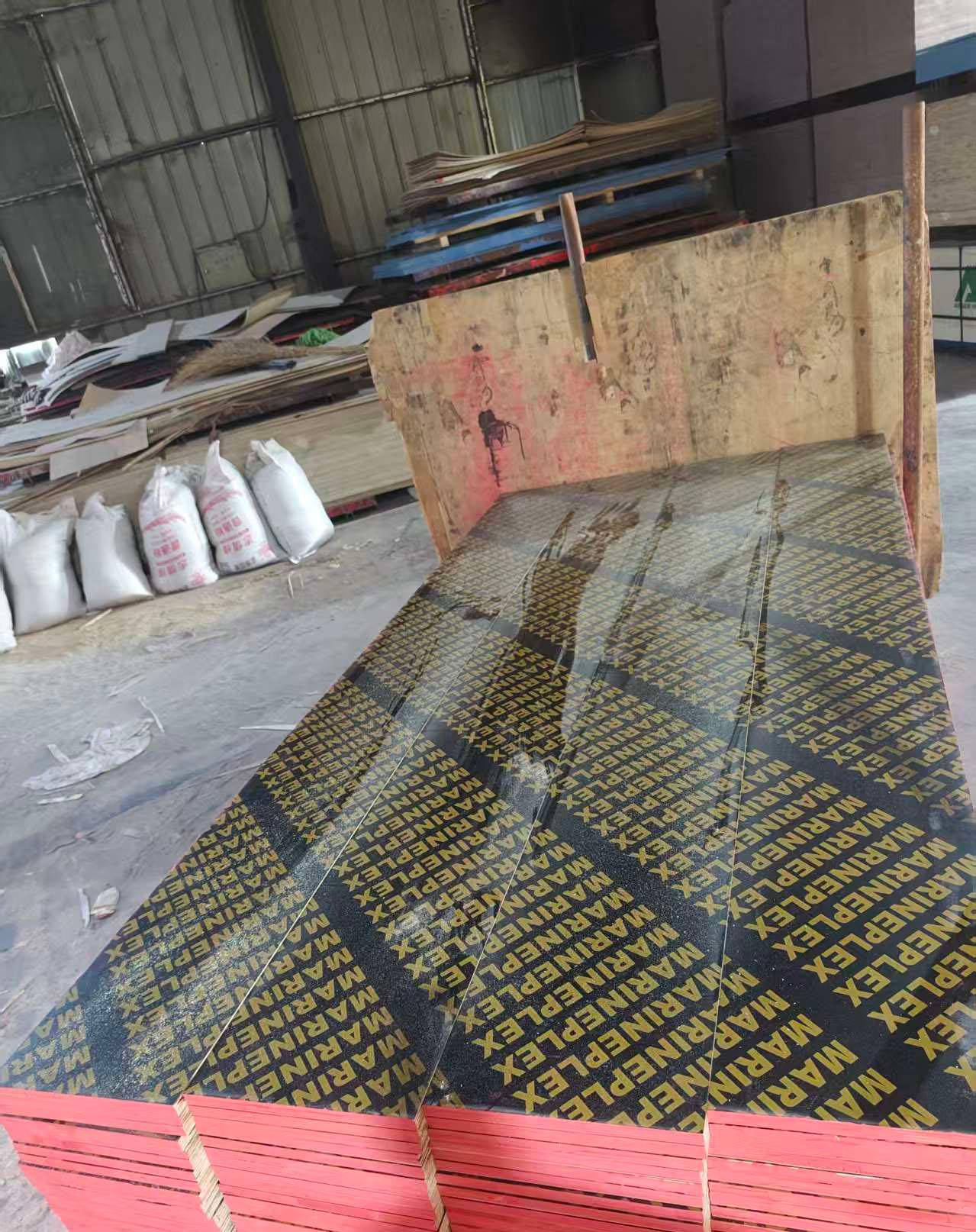
Buyers who order film faced plywood for concrete forms buy a system, not a sheet: the film, the core, the glue, and the edge care decide how many clean pours the formwork survives. This guide explains film weight, core species, tolerance, and reuse, and ends with a specification checklist for columns, walls, and slabs.
Definition: film faced plywood is a structural panel with a resin-impregnated overlay pressed onto both faces, so the surface releases concrete and sheds cleaning spray during formwork duty. The film seals the timber, and the core carries the concrete pressure.
The panel works on two schedules at once. The bond holds the core together through stripping and weather, and the film survives the sliding, oiling, and edge impact that come with pouring cycles.
The gram chart only means something beside the stripping habit. A clean release with the right oil adds cycles to a light film, and an aggressive pry bar kills a heavy film fast, so the planned cycle count assumes a crew that oils and strips with care.
Contractors often split the roster on one site. The film sheet works the concrete, and a separate interior sheet carries the site office, walk decks, and covered framing, which is why the same delivery often pairs a film panel with Commercial Plywood.
Film weight is measured in grams per square metre, and heavier films survive more abuse. A light film suits one-off pours, a medium film handles standard walls, and a heavy film powers precast tables through ten or more cycles.
Definition: a sealed edge closes the open veneer with paint, wax, or a factory coating, and it blocks the fastest water path into a formwork panel, which is why specifiers list edge treats beside the film weight.
Site cuts reappear between pours, so the sealing habit runs weekly. A crew that trims a panel at noon and seals the fresh edge before the afternoon pour keeps the whole form alive for the full planned cycle count.
Cut edges expose the core to the water and alkali in concrete, so factory-sealed panels arrive ready and site cuts receive a sealer before the pour. Consequently, the edge treatment pairs with the film weight on the spec sheet.
Weight and price also shape the crane plan. A heavy hardwood core loads a form more, and the crew lifts each panel more often on a multi-storey pour, so tall projects often specify a lighter poplar core with a strong film to balance handling with reuse.
Panel size follows the form layout, not the catalogue. Wall modules repeat every so many centimeters, so the panel width matches the module and cuts stay few, and the buyer orders the size that closes the grid on the drawing.
Colour carries a warning on site. Black and dark brown films stand for heavy duty in most markets, while light films signal one-use duty, and a roster that prints the gram weight on the panel stops the mix-ups that shorten a good sheet’s life.
Definition: a balanced lay-up places equal material on both faces of the core, and it keeps a formwork panel flat through sun and damp, which protects the straight concrete line the client inspects first.
Core species changes the weight, the stiffness, and the price of the formwork panel. Poplar cores cut light and cost less, eucalyptus cores stiffen the panel and steady the reuse count, and hardwood cores carry the heaviest jobs.
| Core | Weight feel | Typical use | Reuse level |
|---|---|---|---|
| Poplar | Light | Small slabs and short runs | Fewer |
| Eucalyptus | Medium | Standard wall formwork | Good |
| Hardwood | Heavy | Precast and fly forms | Highest |
The film and the core work as one spec. A heavy film on a soft core fails at the edge first, and a light film on a stiff core wastes the stiffness on abrasive jobs, so the buyer matches the pair to the planned cycle count.
Geometry repeats itself across the form: corners wear the film first, tie-holes need plugs before each pour, and the panel size follows the wall module so cuts stay few. Buyers who plan the panel grid on the drawing cut waste before the crane lands.
Definition: a tie-hole grid is the fixed pattern of clamps and ties across the form, and the panel spec records that grid so every sheet arrives with the same hole layout and the crew plugs the same points each pour.
Crew behavior also sets the sheet size. A grid that matches the panel keeps cuts and plugs predictable for the team, and the recorded layout travels to the next job as a re-usable form drawing.
Columns and high walls demand clean releases and tight edges, so the spec names a medium or heavy film with sealed edges. Slab edges and repetitive tables want consistency across the face so the concrete line stays straight between panels.
Thickness tolerance matters more than the brochure number. A proud millimetre on one sheet prints into the finished concrete, so the contract records the tolerance band and the moisture content target for formwork panels.
Cleaning compounds matter as much as the oil. Concrete residue dries acid and attacks the film, so crews clean within hours, rinse with fresh water, and let the panel dry before the next oil coat reaches the face.
Winter slows the release chemistry. Cold concrete sets slower and the release agent coats thinner, so crews adjust the oil coat and the stripping time when the weather turns, and the log records which habit kept the face clean.
Small defects spread unless someone acts. A dented film corner left untreated grows into a peeled face across the next pour, so a ten-minute patch after stripping keeps the next cast as clean as the last one.
Corner details wear the film before the face does. A steel corner angle protects the edge on aggressive pours, and the crew that seats the angle at assembly saves the panel from the first and worst scrape of the job.
Formwork oil applied before the pour turns the film into a release system, and a consistent coat beats a heavy one. After stripping, crews clean the face with the edge of a float, repair local damage, and re-oil before the next cast.
Reuse statistics only mean something when the crew keeps a log. Panels rotated across faces and repaired at the edge consistently pass seven to twelve pours, while unstripped and unsealed sheets retire after two.
The moisture gauge closes the delivery check. A panel that arrives dry cuts true and stays flat, while a damp one bows in the rack and prints an uneven line into the pour, so the receiving check reads the meter before the first fix.
Definition: freight cost per square meter rises with panel density, and a lighter core often balances the handling saving against a shorter reuse run, so the transport quote appears in the cost per cast calculation alongside the sheet price.
Check the bundle before it rolls to the crane. Measure thickness at four points, inspect the film for press marks, and confirm the glue mark, then store the panels flat under cover so the form system arrives fit for the morning pour.
Budget the total cost per cast instead of the sheet price: the film grade, the oil, and the replacement rate decide the real number. For the face and core options, contractors review Film Faced Plywood and the wider structural panel range from HYY.
Formwork buyers who log every panel, oil pass, and pour rescue the next quote from guesswork. The log names the film grade that pays on the site, and it ends the habit of re-buying a spec that never worked.
These answers settle the formwork questions that arrive with every precast quote.
Light films manage one to three pours, medium films four to eight, and heavy films ten or more with sealing and care. The reuse count assumes clean stripping and an oiled face.
Match the weight to the planned cycles and the site abuse. Precast tables take 240 gsm heavy films, and small residential slabs rarely need more than a light or medium film.
Small surface scuffs clean up with a float and epoxy filler, but torn or peeled film near an edge ends the panel for critical face work.
A balanced lay-up stays flat; an unbalanced panel cups in sun and damp. Store panels flat, off the ground, and under cover to keep the form face true.