Our Location
5th Floor, Huake Center, Lanshan District, Linyi City, Shandong Province, China

5th Floor, Huake Center, Lanshan District, Linyi City, Shandong Province, China
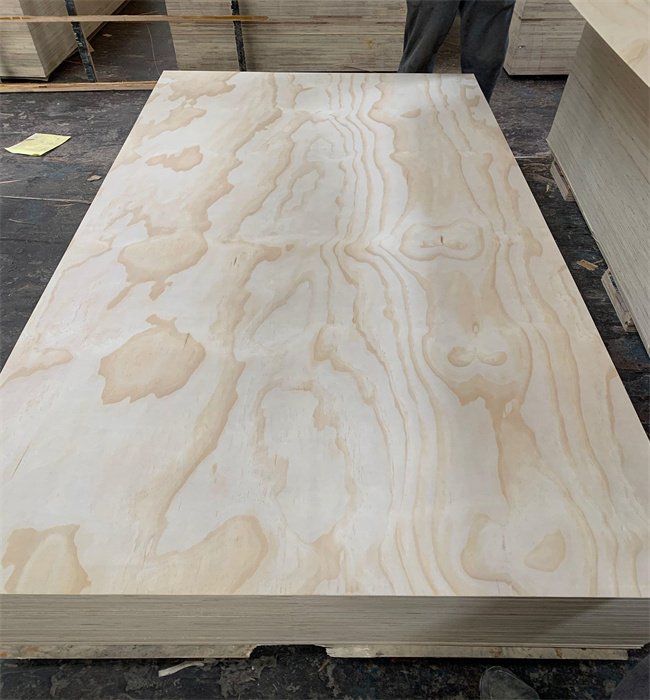
Plywood E value names the stiffness number that turns a sheet into a design input, and it matters most when the job checks deflection rather than simple strength. The E value reports the elastic modulus of the panel, the figure an engineer uses to predict how far a deck bends under a load. This guide explains what plywood E value measures, how the mill establishes it, and how a buyer should read the number beside the grade and the glue class.
E-value, or the modulus of elasticity, is a stiffness rating. It reports how much the panel resists bending under a given load, and a higher E-value means the sheet deflects less across a span.
The number comes from a bending test. An engineer or a laboratory loads a sample of known size, measures the deflection, and divides the result into a stress-strain figure that carries the E-value.
E-value works with the load, not instead of it. Bending strength says how much the panel can carry before failure, while the E-value says how far it moves while carrying it, and a floor or a shelf design needs both lines.
Definition helps at the order desk. Plywood E value describes the sheet’s stiffness under load, and it belongs beside the span table on the drawing rather than on the marketing sheet.
The E-value also shows up in the code tables and the span ratings. A rated structural panel publishes its modulus with the span it supports, so a designer who reads the stamp gets the stiffness line without a separate test.
Units matter at the comparison. A metric report quotes N per square millimetre, and an imperial report quotes ksi, and a quick conversion keeps the two sheets on the same line before the engineer compares them.
The mill builds the panel and samples it for the test. The lab uses a standard test method, records the modulus, and prints the result in the certificate that travels with the batch.
Veneer species dominates the result. A stiff species such as birch or a dense hardwood carries a higher E-value than a light pine or poplar core at the same thickness.
Veneer count and thickness grade the number further. More, thinner plies build a stiffer sheet, and a thicker panel resists deflection more than a thin one under the same span.
Glue and lay-up contribute a share. A clean, well-bonded stack carries the load across every glue line, while a voided core loses stiffness exactly where the load wants to travel.
The tested value becomes the design figure. The certificate lists the E-value with the moisture content and the test method, so the engineer quotes the panel and the moisture state together.
Sampling keeps the figure honest. The lab measures a representative set rather than one ideal board, and the published E-value reflects the batch the buyer expects to receive.
A mill that tests frequently holds a tighter tolerance. The advertised value and the delivered panel stay close, while a panel that only prints the lucky sample drifts from the number on the certificate.
The figure also varies between panel orientations. A sheet tests stiffer along its long face grain, so a floor that spans across the sheet direction reads a different modulus, and the design should match the orientation to the span.
Deflection rules the practical design. A floor or a shelf that stays within its movement limit keeps the finish and the fixtures quiet, and the E-value feeds that calculation directly.
Designers use the E-value in the span table equation. Doubling the sheet stiffness cuts the deflection in a way the thickness cannot always match, so a stiff panel gains spans at the same depth.
Live load and dead load enter the same calculation. A static finish imposes a dead load, and people, furniture, and stored goods impose a live load, so the E-value serves both lines at once.
Point loads test the same number differently. A heavy cabinet leg, a trolley wheel, or a stack of material concentrates the force, and the panel beneath it feels the stiffness where the wheel sits.
For a general structural deck, the E-value arrives with the rating, and buyers source the stiff common sheets as Commercial Plywood.
Software carries the figure into the design. A frame model takes the E-value, the section, and the span, and it returns the deflection, so a small change in the modulus shows up in the bending line long before the build.
E-value and strength travel with the grade. A clean face and a void-free core hold the modulus the panel claims, while a patched surface and a poor core drop the effective stiffness under load.
Glue class runs a separate line. The bond decides the wet service life, and a wet panel that loses its bond loses its stiffness with it, so the E-value on the certificate assumes the glue class in the same biweekly.
Consequently a buyer should read the two numbers as a pair. The E-value sets the dry stiffness, and the glue class sets how long that stiffness survives moisture, and one without the other tells half the story.
Face grade joins them for the finish. A smooth face takes a clean coating and holds a fastener seat, while a rough face weakens the local grip and the sheet’s effective capacity at the fixing.
A thicker filmed face adds its own stiffness share. A formwork panel with a heavy film and a dense core carries a high E-value for the pour pressure, and crews order Film Faced Plywood for the wafer.
A grade change rescales the effective modulus. A panel with a patched face or an open glue void bends more at the same thickness, so the design should use the E-value of the actual grade it orders, not the best sheet the mill prints.
Moisture swings the same value through the service life. A deck that stays dry holds its tested stiffness, while a panel that cycles wet and dry settles at a lower effective figure, so the design applies a service factor to the dry test number.
The certificate lists the E-value in the right units. Read the figure beside the moisture content and the test method, because a dry sheet tests stiffer than the same panel at a high moisture reading.
Use these checks when a panel carries a stiffness claim:
A spec should name the required E-value for the critical span. That line turns the purchase from a board order into a rated structural input, and the mill responds with a tested panel.
For an interior stiff panel, a furniture buyer compares the same metric on a fiber board, and many shops order a high-density MDF Board where uniform stiffness beats veneer appearance.
The team at HYY prints the E-value, the strength, and the test method on the certificate, so the design figure arrives with the panel.
The certificate should name the orientation of the test. A panel tests stiffer along its face grain than across it, so the drawing should state which direction the E-value answers before the plate or the deck turns it.
A design review ties the number to the span table. A stiffness that holds a shelf at 600 mm may fail at 900, so the E-value and the span belong on the same sheet of the drawing folder.
Ask the mill for the batch range as well as the single figure. The range tells how much the production drifts, and a narrow range means the delivered panel holds the design stiffness bay after bay.
These answers cover the stiffness questions that designers and buyers raise when they first meet the E-value line.
It depends on the span and the load. A stiff structural panel carries a value in the dense-species range, while a light core reports lower, so the good number is the one that holds the required deflection.
Yes. A wet panel bends more than a dry one, so the certificate records the moisture content and the engineer applies the figure at the service condition the panel will see.
Partly. E-value measures stiffness, and bending strength measures the load at failure, so a design that worries about movement uses the E-value and one that worries about cracking uses the strength figure.
A little. A dense film or a reinforcing face adds a small stiffness share, while the core and the veneer count dominate, so a buyer gains far more by choosing the right core than by adding a face.